

Ureteroscopy

The Comfortable Way to Say Goodbye to Your Stones

Are you struggling with kidney stone pain? Ureteroscopy offers you a comfortable and effective solution using the latest technological methods. On this page, you can find everything you need to know about ureteroscopy. By explaining the entire process in detail from before the operation to after, we aim to eliminate all your questions. As A Life Health Group, you can be confident that when you entrust your health to us you will receive the highest quality service.

What Is Ureteroscopy?

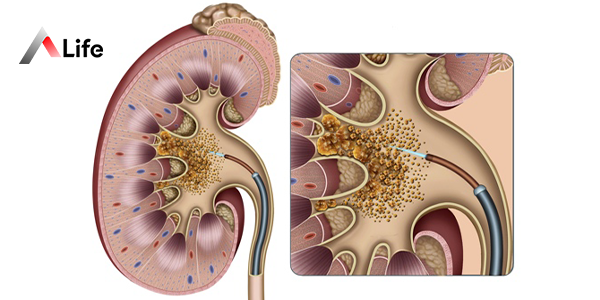
Ureteroscopy is a minimally invasive surgical procedure used to remove stones or treat other problems located in the urinary tract. During this procedure, a thin, telescope-like instrument called a ureteroscope is used. The ureteroscope is inserted through the urethra into the bladder and then advanced into the ureter. This allows your doctor to directly visualize and treat stones or other problematic areas.
What_Is_Ureteroscopy_e6a95873.webp

When Is Ureteroscopy Performed?

Ureteroscopy is used to manage urological problems quickly, safely, and effectively. The procedure is particularly preferred in the following situations:

  1. Kidney Stones
    Kidney stones that migrate into the urinary tract can cause severe pain and obstruction. Ureteroscopy is highly effective in removing stones, especially those smaller than 5 mm that are trapped in the ureter. The size and location of the stone determine the type of ureteroscopy to be performed.

  2. Ureteral Stones
    Stones located in the ureter can block the flow of urine, leading to kidney swelling (hydronephrosis). Ureteroscopy is used to fragment or remove these stones. When stones are lodged in the narrow or curved parts of the ureter, flexible ureteroscopy allows access to these difficult areas.

  3. Ureteral Strictures
    Narrowing of the ureter (strictures) can obstruct urine flow and compromise kidney function. During ureteroscopy, special instruments can be used to dilate these narrowed areas, restoring normal urine passage.

  4. Urinary Tract Tumors
    Some urinary tract tumors can be diagnosed and treated through ureteroscopy. The ureteroscope allows direct visualization of the tumor’s size and location, enabling precise surgical intervention.

  5. Recurrent Urinary Tract Problems
    For patients who experience recurrent stone formation or urinary tract infections, ureteroscopy is an effective method for evaluating and treating the problematic area.

What Are the Advantages of Ureteroscopy?

Ureteroscopy offers several advantages compared to traditional open surgery:

  • Minimally Invasive: Because ureteroscopy does not require any surgical incisions, the recovery period is significantly shorter.
  • Non-Surgical Procedure: Ureteroscopy is typically performed under general anesthesia as an outpatient procedure, allowing patients to return home the same day.
  • Less Pain: Patients experience much less pain after ureteroscopy compared to open surgery.
  • Faster Recovery: After ureteroscopy, patients can resume their daily activities much sooner.
  • High Success Rate: Ureteroscopy has a high success rate in the treatment of kidney and ureteral stones.

What Are the Types of Ureteroscopy?

Ureteroscopy can vary depending on the device and technology used. Each method has its own advantages and areas of application.

  • Semi-Rigid Ureteroscopy: This technique uses a thin, slightly flexible instrument equipped with a camera and light source. It is commonly used for treating small to medium-sized stones and is ideal for stones located in the lower and middle parts of the ureter.
  • Flexible Ureteroscopy: Thanks to its flexible structure, this method allows the surgeon to reach the narrow and curved areas of the kidney. It is particularly preferred for hard-to-reach stones and those located in the upper ureter. During flexible ureteroscopy, stones are fragmented or removed.
  • Laser Ureteroscopy (Holmium Laser): In this technique, a laser is used to break stones into small fragments. During ureteroscopy, the stones are fragmented with the laser, and the pieces are either removed with the ureteroscope or naturally passed out of the body. This method is highly effective for large or hard stones.
  • Combined Techniques: In some cases, semi-rigid and flexible ureteroscopy methods are used together to achieve the best results. Additionally, laser lithotripsy can be combined with minimally invasive surgery to reduce the risk of complications.

Preoperative Preparation for Ureteroscopy

Before undergoing ureteroscopy, your doctor will provide you with detailed instructions. However, in general, the following steps are typically recommended:

  • Medical Evaluation: The patient’s overall health, existing chronic conditions, and current medications are carefully assessed. For patients taking blood-thinning medications, dosage adjustments may be required before the procedure.
  • Imaging Tests: Before ureteroscopy, imaging tests such as ultrasound, computed tomography (CT), or intravenous pyelography (IVP) may be performed. These tests clearly determine the size and location of the stone as well as the condition of the ureter.
  • Fasting and Medications: Patients are usually asked to refrain from eating or drinking for 6–8 hours before the procedure. The doctor may provide specific instructions regarding current medications and recommend temporary discontinuation of certain drugs.
  • Antibiotic Prophylaxis: To minimize the risk of urinary tract infection, antibiotics may be administered before the procedure. This significantly reduces the likelihood of postoperative complications.

Ureteroscopy Procedure Process

Ureteroscopy is performed as a minimally invasive surgical procedure. The operation typically takes 30–90 minutes, and most patients are able to return home the same day.

1. Endoscopic Intervention
A thin ureteroscope is gently advanced through the urethra into the bladder and then into the ureter. With the help of the built-in light and camera, the doctor can directly visualize the urinary tract and identify any stones or abnormalities.

2. Stone Fragmentation and Removal

  • Laser Stone Fragmentation: Using a Holmium laser, stones are broken into very small fragments.
  • Removal: The stone fragments are either passed naturally through the urinary tract or extracted using the ureteroscope.

3. Stent Placement
In some cases, a temporary ureteral stent is placed after the procedure to keep the urinary tract open. The stent supports urine flow and helps protect the kidney from potential obstruction or damage. It is typically removed after a few weeks.

Ureteroscopy Recovery Process

The recovery period after ureteroscopy is generally short. Most patients can return home on the same day, although in some cases, an overnight hospital stay may be required.

  • Pain and Discomfort: You may experience mild pain or discomfort after the procedure. Your doctor will prescribe pain relievers as needed.
  • Urination: After the procedure, you may notice burning sensations or increased frequency of urination. It is recommended to drink plenty of fluids.
  • Activity: You may need a few days of rest after the procedure. Avoid heavy exercise during this period.
  • Follow-up Appointments: Your doctor will schedule regular check-ups to monitor your recovery and ensure proper healing.

Risks of Ureteroscopy

Ureteroscopy is generally a safe procedure. However, as with any surgical intervention, some risks exist:

  • Bleeding: Mild bleeding may occur during or after the procedure.
  • Infection: There is a risk of infection, as with any surgical procedure.
  • Urinary Tract Injury: Rarely, the ureteroscope may cause damage to the urinary tract.
  • Stent Placement: A stent may be placed after the procedure to keep the urinary tract open.

With regular follow-up and proper surgical techniques, these risks can be minimized.

Frequently Asked Questions About Ureteroscopy
  1. How long does ureteroscopy take?
    The duration of the procedure varies depending on the size and location of the stone, typically lasting between 30 and 90 minutes.
  2. Is ureteroscopy painful?
    Ureteroscopy is usually performed under general anesthesia, so you will not feel any pain during the procedure. Mild pain or discomfort may be experienced after the surgery.
  3. When can I return to work after ureteroscopy?
    Recovery time depends on the nature of your job. However, most people can return to work within a few days.
  4. What should I pay attention to after ureteroscopy?
    Drink plenty of fluids, avoid heavy lifting, and follow your doctor's instructions.
Ureteroscopy: A Safe Solution for Your Health

Ureteroscopy is a minimally invasive, safe, and effective method for treating kidney and ureter stones. It allows for the rapid removal of stones, reduces pain, and lowers the risk of infection. With regular follow-up and a patient-centered approach after the procedure, long-term success is achieved.

A Life Health Group offers a safe treatment with its experienced team, modern equipment, and patient-focused approach in ureteroscopy procedures. You are in safe hands to regain your health and improve your quality of life.

Regain your health with confidence with A Life Health.

The Ureteroscopy Difference at A Life Health Group

A Life Health Group combines an experienced medical team with modern technology in ureteroscopy procedures:

  • Expert Medical Team: Specialists in the field ensure high success rates.
  • Personalized Treatment Plans: Individualized follow-up and recovery programs are prepared for each patient.
  • Minimally Invasive Techniques: Procedures are performed to cause minimal discomfort to the patient.
  • Patient-Centered Approach: Pre- and post-procedure counseling and support are provided.
  • Safe and Effective Solution: Stones are removed quickly while protecting the kidneys and urinary tract.
Prepared by A Life Medical Editorial Board.

Last Updated: 6 Kasım 2025 14:05

Publish Date: 21 Eylül 2024 00:42

Ureteroscopy

Quick Application Form

Please fill in the fields below so that we can reach you

Related Departments
Related Doctors
Mustafa Kemal Atikeler
Prof. Dr. Mustafa Kemal Atikeler

Urology

Similar Contents

Do you need help?

We are here for all your questions and problems 24/7.