What is Nystagmus?

What is Nystagmus (Eye Tremor)?

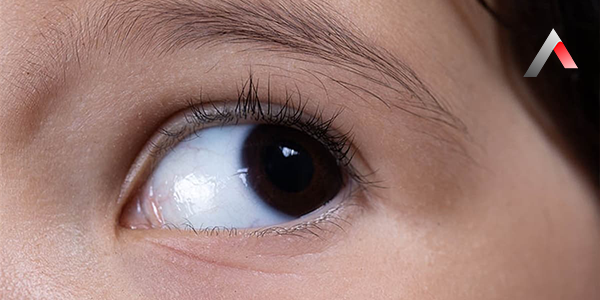
Nystagmus is a condition in which the eyes move involuntarily in a rhythmic manner. These movements can be horizontal, vertical, rotary, or a combination of these directions. Nystagmus usually affects both eyes and can negatively impact visual acuity, depth perception, and balance.

Commonly known as "eye tremor," nystagmus can occur for various reasons and, in some cases, may be a sign of an underlying health issue. The treatment of nystagmus varies depending on its cause and severity.

Nystagmus_d00d5286.webp

What Causes Nystagmus?

Nystagmus can be congenital (present from birth) or acquired later in life.

Congenital Nystagmus

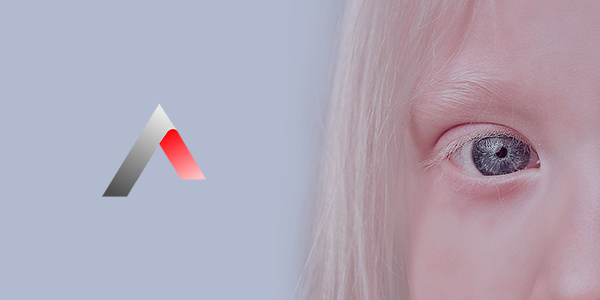
Congenital nystagmus usually begins in infancy or early childhood. Its exact cause is not fully known, but genetic factors and abnormalities in the development of visual pathways in the brain are believed to play a role.
Congenital_Nystagmus_b983702a.webp

Acquired Nystagmus

Acquired nystagmus can occur for various reasons:
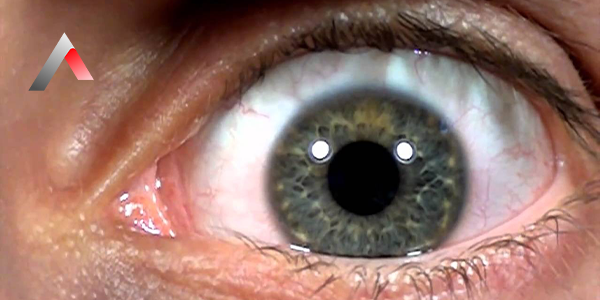
  • Inner Ear Problems: Conditions such as Ménière's disease or labyrinthitis (inflammation of the inner ear) can cause nystagmus.
  • Neurological Diseases: Neurological disorders such as multiple sclerosis (MS), stroke, or brain tumors can lead to nystagmus.
  • Medications and Substances: Certain medications (e.g., anticonvulsants, sedatives) and alcohol can cause nystagmus.
  • Eye Problems: Eye conditions such as strabismus or optic neuritis (inflammation of the optic nerve) can lead to nystagmus.
  • Other Causes: Head injuries, vitamin deficiencies, and some metabolic disorders can also cause nystagmus.
Acquired_Nystagmus_033f935d.webp

Types of Nystagmus

Nystagmus can be classified in different ways:

Classification by Direction:

  • Horizontal Nystagmus: The eyes move horizontally (to the right or left).
  • Vertical Nystagmus: The eyes move vertically (up or down).
  • Rotary Nystagmus: The eyes move in a circular pattern.

Classification by Cause:

  • Congenital Nystagmus: Nystagmus present from birth.
  • Acquired Nystagmus: Nystagmus that develops later in life.

What Are the Symptoms of Nystagmus?

The most prominent symptom of nystagmus is involuntary eye movement, which can be horizontal, vertical, or rotary. Other symptoms include:

  • Blurred Vision
  • Double Vision
  • Impaired Depth Perception
  • Dizziness
  • Loss of Balance
  • Light Sensitivity
  • Headache

How is Nystagmus Diagnosed?

Nystagmus is diagnosed by an eye doctor (ophthalmologist). Your doctor will ask questions about your medical history and symptoms and perform an eye examination. During the eye exam, your eye movements, visual acuity, and other eye functions are evaluated. Additionally, further tests (such as neurological examination, balance tests, and imaging tests) may be performed to determine the cause of nystagmus.

Nystagmus Treatment

The treatment of nystagmus depends on its cause and severity. Treatment options include medications, glasses and contact lenses, prisms, Botox injections, and surgery.

  • Medication: Certain medications can help reduce nystagmus symptoms (e.g., gabapentin, memantine).
  • Glasses and Contact Lenses: Used to correct refractive errors and improve visual acuity.
  • Prisms: Prisms added to eyeglass lenses can help position the eyes more comfortably, reducing nystagmus.
  • Botox Injections: Botox injections into the eye muscles can temporarily reduce eye movements and improve nystagmus.
  • Surgery: In some cases, surgical intervention on the eye muscles may be performed to correct nystagmus.

Nystagmus Eye Exercises

Nystagmus eye exercises can help reduce symptoms in certain types of nystagmus. These exercises aim to strengthen the eye muscles and improve control of eye movements. Your eye doctor or physiotherapist will show you the exercises suitable for you.

Some nystagmus eye exercises include:

  • Focus Exercises: Practicing focusing on near and distant objects can help strengthen the eye muscles.
  • Eye Tracking Exercises: Following a pen or finger with your eyes can improve the ability to control eye movements.
  • Blinking Exercises: Rapidly opening and closing the eyelids can help strengthen the eye muscles.

Always consult an eye doctor before performing nystagmus eye exercises.

Nystagmus Treatment at A Life Health Group

A Life Health Group has a team of experienced ophthalmologists specialized in the diagnosis and treatment of nystagmus. We provide personalized treatment plans for our patients using the latest technologies and methods.

Advantages Offered by A Life Health Group:

  • Experienced Ophthalmologists: Our expert and experienced doctors determine the cause of nystagmus and provide the most suitable treatment.
  • Advanced Diagnostic Methods: All tests used in the diagnosis of nystagmus (eye examination, neurological examination, balance tests, imaging tests, etc.) are available.
  • Personalized Treatment Plans: Each patient’s needs are different. Therefore, we create individualized treatment plans for our patients.
  • Medications, Glasses, Prisms, Botox, and Surgery: Various methods are used in the treatment of nystagmus.
  • Comprehensive Support and Follow-Up: We offer extensive support and follow-up services throughout the diagnosis and treatment process.
  • Comfortable and Safe Environment: All procedures are carried out in a modern and comfortable setting, with patient safety and comfort as our priority.

Find a solution for your nystagmus problem with A Life Health Group!

Prepared by A Life Medical Editorial Board.

Last Updated: 6 Kasım 2025 14:05

Publish Date: 24 Nisan 2024 17:53

What is Nystagmus?

Quick Application Form

Please fill in the fields below so that we can reach you

Related Departments
Related Doctors
Similar Contents

Do you need help?

We are here for all your questions and problems 24/7.