
Digital Subtraction Angiography (DSA)

DSA Angiography

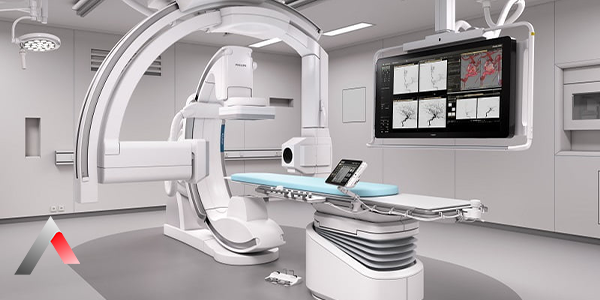
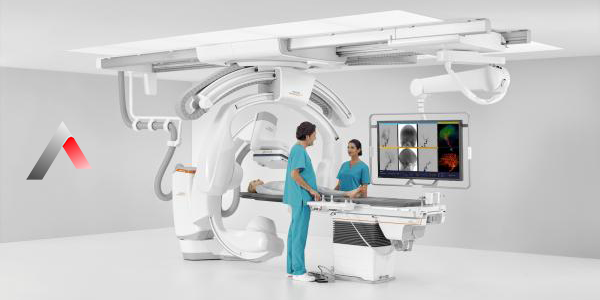
Digital Subtraction Angiography (DSA) is a radiological imaging method used to visualize the internal structure of blood vessels. In this method, a thin and flexible catheter is inserted through an artery in the groin or arm to reach the target vessel, and a contrast agent is injected into this vessel. The contrast agent makes the vessels more visible on the X-ray image, allowing for the detection of narrowing, blockage, aneurysm, or other abnormalities. DSA is also referred to as "digital subtraction angiography." This technique digitally removes bone and soft tissues from the image, enabling the visualization of only the blood vessels.

DSA_053db938_d1d2d504.webp

What Is the Difference Between Angiography and DSA?

Angiography and DSA are both methods used to visualize blood vessels. However, DSA is a more advanced technique and offers several advantages over conventional angiography.

  • In conventional angiography, bones and soft tissues are visualized along with the vessels. This may make it difficult to see the vessels clearly.
  • In DSA, bones and soft tissues are digitally removed from the image, and only the vessels are visualized. This allows the vessels to be seen more clearly and in greater detail.

Other advantages of DSA include less radiation exposure, faster imaging, and reduced use of contrast agents.

Why Is DSA Angiography Performed?

DSA angiography can be used for both diagnostic and therapeutic purposes.

Diagnostic Uses:

  • Detection of vascular occlusions: To identify blockages in arteries or veins caused by plaque buildup, blood clots, or other reasons

  • Aneurysm detection: To determine whether there is any weakening and ballooning (aneurysm) in the vessel wall

  • Evaluation of vascular injuries: To assess the severity of vascular injuries caused by traffic accidents or other reasons

  • Diagnosis of congenital vascular abnormalities: To identify abnormalities in blood vessel structure present from birth

  • Evaluation of tumor vascularization: To visualize the blood vessels supplying tumors and assist in treatment planning

Dijital_Anjiyografi__DSA__8cfbfde7_5389c40e.webp

Therapeutic Uses

  • Angioplasty and stenting: A procedure in which a balloon or stent is inserted to open narrowed or blocked vessels

  • Embolization: A procedure performed to close abnormal blood vessels such as aneurysms or tumors

  • Thrombolysis: A procedure in which medication is administered to dissolve blood clots

Which Areas Can DSA Angiography Be Applied To?

DSA angiography can be used to visualize blood vessels in different parts of the body:

  • Brain Vessels: Used in the diagnosis and treatment of conditions such as brain aneurysms, stroke, and vascular occlusions

  • Heart Vessels: Used in the diagnosis and treatment of conditions such as coronary artery disease, heart attack, and heart valve disorders

  • Arm and Leg Vessels: Used in the diagnosis and treatment of conditions such as peripheral artery disease, deep vein thrombosis (DVT), and varicose veins

  • Kidney Vessels: Used in the diagnosis and treatment of conditions such as renal artery stenosis and kidney tumors

  • Abdominal Vessels: Used in the diagnosis and treatment of vascular diseases of abdominal organs such as the liver, spleen, and intestines
How Is DSA Angiography Performed?

Preparation Before the Procedure:

  • You may be required to fast for a certain period before the procedure.

  • The use of certain medications, such as blood thinners, may be temporarily discontinued.

  • The patient is checked for any allergies, especially to contrast agents, and precautions are taken if necessary.

During the Procedure:

  • The area where the procedure will be performed (usually the groin or arm) is cleaned and sterilized.

  • A mild sedative may be given to help the patient relax.

  • Local anesthesia is applied to numb the area.

  • A small incision is made, and a thin, flexible tube (catheter) is inserted into the artery.

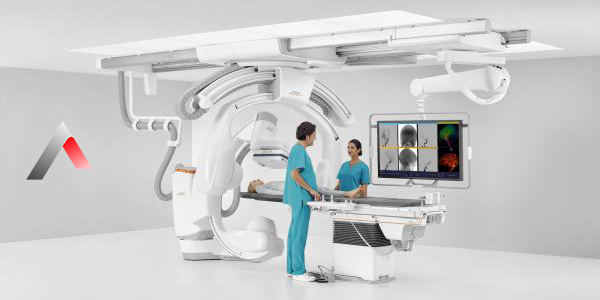
  • Using X-ray guidance, the catheter is advanced to the target vessel.

  • A special dye (contrast agent) is injected through the catheter into the vessels.

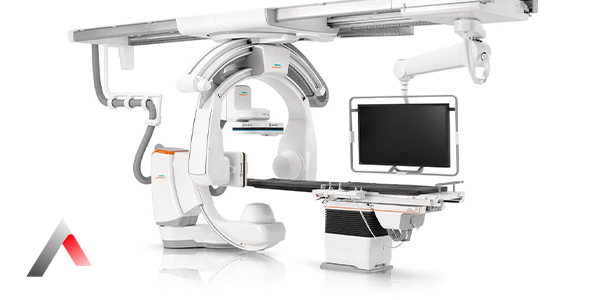
  • As the contrast agent fills the vessels, a series of images is taken using an X-ray machine.

  • These images show the structure of the vessels, any narrowing or blockages, aneurysms, and other abnormalities.

After the Procedure:

  • The catheter is removed, and pressure is applied to the insertion site to stop bleeding.

  • It is important for the patient to rest for a few hours and avoid moving the treated area.

  • The doctor will provide instructions on what to watch for and how to care for yourself after the procedure.

Dijital_Anjiyografi__DSA__a572db78_81982252.webp

What Are the Risks of DSA Angiography?

DSA angiography is generally a safe procedure, but like any medical procedure, it carries some risks. These risks may include bleeding, infection, allergic reactions, vascular injury, and kidney problems. However, such complications are rare.

DSA Angiography at A Life Health Group

A Life Health Group is a healthcare institution specialized in providing DSA angiography services. Our experienced radiologists and technicians offer you the highest quality and most reliable service using state-of-the-art angiography equipment.

Advantages offered by A Life Health Group:

  • Experienced and specialized team: Our expert radiologists and technicians work to provide you with the best possible care.

  • Cutting-edge technology: We use the latest angiography devices to obtain high-quality images.

  • Fast and reliable results: You can receive your angiography results quickly and accurately.

  • Comfortable and modern environment: We provide our services in a comfortable and modern setting.

  • Patient-centered approach: We tailor our approach to the unique needs of each patient.

Protect your vascular health with A Life Health Group!

Prepared by A Life Medical Editorial Board.

Last Updated: 6 Kasım 2025 14:05

Publish Date: 18 Kasım 2024 20:45

Digital Subtraction Angiography (DSA)

Quick Application Form

Please fill in the fields below so that we can reach you

Related Departments
Related Doctors
Similar Contents

Do you need help?

We are here for all your questions and problems 24/7.