

Neuromonitoring is a technique used during surgical procedures to monitor the functions of the brain, spinal cord, and nerves. This technique helps surgeons perform the surgery safely without damaging the nervous system. Neuromonitoring can be performed using various methods and includes techniques such as electroencephalography (EEG), electromyography (EMG), and evoked potentials (SEP, MEP).
Neuromonitoring is performed to reduce the risk of nerve damage during surgical procedures conducted near the nervous system. These procedures include:
Different methods can be used for neuromonitoring:
Electroencephalography (EEG): A method that measures the brain's electrical activity. EEG is used to assess brain functions and monitor seizure activity.
Electromyography (EMG): A method that measures electrical activity in the muscles. EMG is used to evaluate nerve and muscle functions.
Evoked Potentials (SEP, MEP): Tests used to assess the function of specific nerve pathways.
SEP (Somatosensory Evoked Potentials): Evaluates the transmission of sensations such as touch, pain, and temperature to the brain.
MEP (Motor Evoked Potentials): Assesses the motor signals transmitted from the brain to the muscles.
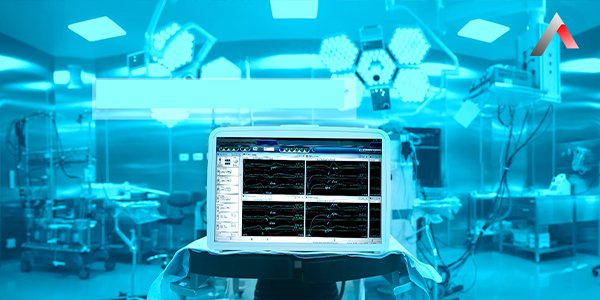
Intraoperative neuromonitoring is the process of real-time monitoring of brain and nerve functions during surgery. This allows the surgeon to immediately see whether the nervous system is being harmed during the operation and, if necessary, to adjust the surgical technique. This significantly reduces the risk of nerve damage.
Neuromonitoring is generally a safe procedure, but it carries some risks:
Infection: Infections may develop at the sites where the electrodes are placed.
Bleeding: Rarely, bleeding can occur during electrode placement.
Nerve damage: Rarely, nerve damage may happen during the placement of electrodes.
Allergic reactions: Some patients may develop allergic reactions to the electrodes or other materials used.
Neuromonitoring provides many advantages in surgeries performed near the nervous system:
Reduces the risk of nerve damage: Surgeons can immediately see whether the nervous system is being harmed during the operation and adjust their technique if necessary.
Decreases postoperative complications: Neuromonitoring lowers the risk of complications such as paralysis, speech disorders, or vision loss after surgery.
Speeds up the patient’s recovery process: Reduced risk of nerve damage allows for faster healing.
Enables safer surgery: Neuromonitoring makes surgical procedures safer overall.
A Life Sağlık Grubu, nöromonitörizasyon hizmetleri konusunda uzmanlaşmış bir sağlık kuruluşudur. Deneyimli nöroloji uzmanlarımız, beyin cerrahlarımız ve diğer sağlık profesyonellerimiz, en son teknoloji ve yöntemleri kullanarak hastalarımıza en iyi hizmeti sunmaktadır.
A Life Sağlık Grubu'nun sundugu avantajlar:
A Life Sağlık Grubu ile sağlığınız emin ellerde!
Last Updated: 6 Kasım 2025 14:05
Publish Date: 18 Kasım 2024 20:51
Please fill in the fields below so that we can reach you
We are here for all your questions and problems 24/7.


 TR Türkçe
 EN English
 0 (850) 888 54 33


 E-Appointment
 E-Appointment
  E-Result





 0 (850) 888 54 33
 WhatsApp
 E-Appointment