
Diabetes Surgery

What is Diabetes Surgery?

Surgery performed on diabetic patients is a surgical method used in the treatment of metabolic diseases such as pancreatic insulin resistance and obesity. These surgeries help regulate the body's sugar metabolism and promote weight loss by making changes in the digestive system. Here are the methods of how diabetes surgery is performed.

The most commonly applied metabolic surgical methods for diabetes surgery are obesity surgeries:

  • Sleeve Gastrectomy: The procedure involves removing a large portion of the stomach and reducing it to a tube shape.
  • Gastric Bypass: A small part of the stomach is separated and connected to the small intestine.
  • Duodenal Switch: A more complex procedure that involves both stomach reduction and rearrangement of the small intestine.
Type_2_Diabetes_Surgery_e1d268c5.webp

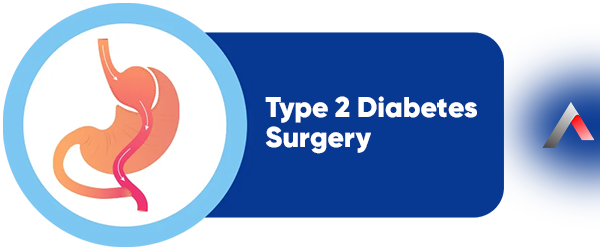
Type 2 Diabetes Surgery

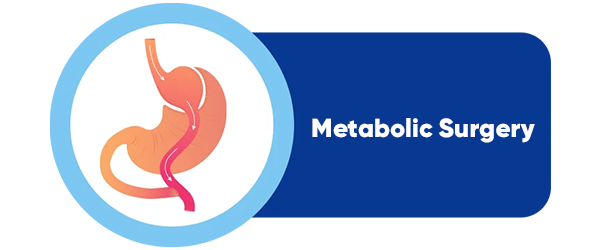
Type 2 diabetes surgery, also known as metabolic surgery, is performed for patients with type 2 diabetes. This surgery helps control blood sugar levels and aims to reduce diabetes-related health problems.

It is generally similar to obesity surgery methods. The surgery makes changes in the digestive system, which affect hormone levels. As a result, it aims to improve blood sugar control.

Methods of Type 2 Diabetes Surgery:

Some of the metabolic surgical methods used in the treatment of type 2 diabetes include:

  • Roux-en-Y Gastric Bypass: A small part of the stomach is separated to create a new "stomach pouch." The lower part of the small intestine is connected to this new stomach. This leads to reduced food intake and altered nutrient absorption.
  • Sleeve Gastrectomy: A large portion of the stomach is removed, leaving a smaller, tube-shaped stomach. This reduces stomach volume and affects the secretion of hormones that control appetite.
  • Mini Gastric Bypass: A method similar to gastric bypass but with a simpler connection.
  • Biliopancreatic Diversion (BPD) and Duodenal Switch (DS): These methods reduce stomach volume and bypass a large portion of the small intestine. This significantly decreases nutrient absorption and is generally preferred in more severe obesity and diabetes cases.
  • Transit Bipartition: In addition to sleeve gastrectomy, a new connection is created between the small intestine and the stomach. This allows nutrients to pass through both the normal route and the new connection, leading to hormonal changes.
  • Ileal Interposition: A segment of the distal small intestine (ileum) is interposed with the upper parts of the small intestine. This affects hormonal balance and improves blood sugar control. It is generally performed in combination with sleeve gastrectomy.

Who Can Have Diabetes Surgery?

Diabetes surgery is a surgical treatment method for patients with type 2 diabetes. This method helps control blood sugar levels and also aims to reduce diabetes-related health problems.

Not every patient with type 2 diabetes is a suitable candidate for this surgery. Eligibility depends on various criteria.

Basic Criteria:

  • Diagnosis of Type 2 Diabetes: The surgery is performed on patients whose bodies produce insulin but cannot use it effectively (type 2 diabetes).

Body Mass Index (BMI):

  • Patients with type 2 diabetes and a BMI of 35 kg/m² or higher are generally suitable candidates.
  • Patients with a BMI between 30-34.9 kg/m² who have additional health problems not controlled by medication may also be considered.
  • Individuals of Asian descent with a BMI over 27 kg/m² can also be considered.
  • Inadequate Blood Sugar Control: Patients whose blood sugar cannot be controlled despite diet, exercise, and medication.
  • Insulin Reserve: The pancreas must still produce some insulin (evaluated by C-peptide test).
  • Age: Generally between 18-65 years old.
  • Duration of Diabetes: Patients with diabetes for less than 10 years have a higher chance of success.
  • General Health Status: Suitable for anesthesia and surgery.
  • Psychological Status: Psychological maturity to adapt to lifestyle changes after surgery.
  • Previous Treatment Experiences: Non-surgical treatment methods must have been sufficiently tried and failed.

Who Is Not Suitable for Diabetes Surgery?

Can diabetes patients undergo surgery? For type 2 diabetes patients, controlling blood sugar levels is important. This can help reduce diabetes-related health problems. However, this treatment is not suitable for every patient.

Certain conditions and patient characteristics can make this type of surgical intervention inappropriate or risky.

Here are some patient groups and conditions for whom diabetes surgery is not suitable:

  • Type 1 Diabetes Patients: Surgery cannot be applied for type 1 diabetes. It is not a treatment for type 1 diabetes, where the body cannot produce insulin.
  • Patients With No Insulin Production in the Pancreas
  • Patients With Severe and Uncontrolled Psychiatric Disorders
  • Some Patients With Advanced Diabetes Complications
  • Patients With End-Stage Renal Failure or on Dialysis
  • Patients With Severe Liver Failure
  • Pregnant Women or Those Planning Pregnancy Soon
  • Patients With Long-Term Active Substance Abuse
  • Patients Who Do Not Accept Surgical Risks or Cannot Comply With Postoperative Follow-Up
  • Some Advanced Age Groups
  • Short-Term and Well-Controlled Type 2 Diabetes

Important Note: Determining whether a patient is suitable for diabetes surgery is a complex process. This process requires considering the individual characteristics of each patient. The risks and benefits of bypass surgery in diabetes patients should be carefully evaluated.

This decision should be made by a multidisciplinary team, including experts from endocrinology, metabolic surgery, and other relevant fields.

What Are the Benefits of Diabetes Surgery?

For patients who undergo diabetes surgery, there are several potential benefits:

  • Blood Sugar Control: After surgery, many patients can stop taking diabetes medications or reduce their doses.
  • Weight Loss: Metabolic surgery helps patients lose a significant amount of weight, which in turn improves diabetes control.
  • Reduction of Diabetes Complications: Surgery can reduce the risk of heart disease, kidney disease, nerve damage, and eye disease.
  • Improved Quality of Life: Blood sugar control and weight loss increase patients' energy levels, enhancing their quality of life and enabling a more active lifestyle.

Post-Diabetes Surgery Process

After diabetes surgery, patients typically stay in the hospital for several days. Recovery varies from person to person, but most patients can return to normal activities within a few weeks. It is important to follow dietary guidelines, exercise regularly, and attend follow-up appointments. If any complaints increase after surgery, patients should consult their doctor immediately.
What Are the Risks of Diabetes Surgery?

Diabetes surgery, also known as metabolic surgery, is an important option for controlling type 2 diabetes. It can also help reduce diabetes-related health problems. However, like any surgical procedure, it carries certain risks.

These risks can vary depending on the type of surgery, the patient’s overall health, and the experience of the surgical team.

Mortality Risk in Metabolic Surgery:
One of the main concerns for patients is the risk of death from metabolic surgery. Thanks to advances in modern medicine and surgical techniques, this risk is now very low.

  • Low Rate: Studies on obesity and metabolic surgery show that in experienced centers, the mortality rate for diabetes surgery ranges between 0.1% and 0.3%. This rate is comparable to other common surgeries such as gallbladder removal.
  • Comparative Data: Some studies indicate that patients who undergo diabetes surgery have a long-term reduced risk of death from diabetes, sometimes up to 90% reduction. It is also important to note that obesity itself is a serious, life-threatening condition.

Diabetes Surgery at A Life Health Group

A Life Health Group has a team of general surgeons specialized in metabolic surgery. Operations are performed using advanced technology and modern techniques, primarily laparoscopic (minimally invasive) surgery.

Patients benefit from smaller incisions, resulting in less pain and faster recovery. Among doctors performing diabetes surgery in Ankara, A Life Health Group’s metabolic surgery specialists are included.

Advantages of Diabetes Surgery at A Life:

  • Experienced and Specialized Team: Our team includes general surgeons, endocrinologists, dietitians, and psychologists, providing support before, during, and after surgery.
  • Advanced Technology: Our hospitals use the latest operating rooms and laparoscopic surgical equipment.
  • Personalized Treatment: The most suitable metabolic surgery method is selected according to your needs and health condition.
  • Comprehensive Follow-Up: Regular post-operative check-ups and lifestyle counseling ensure long-term success.
  • Patient-Centered Approach: You receive support throughout the treatment process, and all your questions are answered.

Diabetes Surgery Costs
Questions about surgery costs such as “How much is diabetes surgery?” or “What is the price of type 2 diabetes surgery?” can be answered quickly by filling out a short form, with a response usually on the same day.

Diabetes Surgery

Quick Application Form

Please fill in the fields below so that we can reach you

Related Units
Similar Contents

Do you need help?

We are here for all your questions and problems 24/7.