


 TR Türkçe
 EN English
 0 (850) 888 54 33


 E-Appointment
 E-Appointment
  E-Result

Obesity Center


Excess weight is a serious problem that threatens our health. Diabetes, heart disease, high blood pressure, and even certain types of cancer are closely linked to obesity. If you want to get rid of excess weight and take a step toward a healthier life, gastric bypass surgery can be an effective solution.
A Life Health Group has an experienced team of general surgery specialists who are experts in gastric bypass surgery. The procedures are performed using advanced technology and modern methods with a laparoscopic (closed) technique, allowing our patients to benefit from smaller incisions, less pain, and a faster recovery process.
In this article, you can find everything you want to know about gastric bypass surgery — from how the procedure is performed and who it is suitable for, to its risks, benefits, and the privileges offered by A Life Health Group.
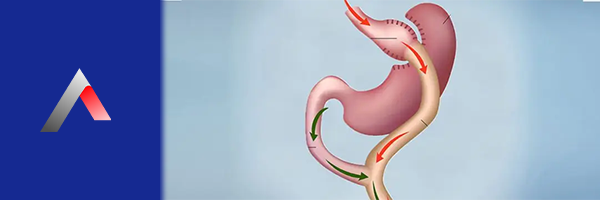
Gastric bypass surgery is a surgical procedure that helps with weight loss by both reducing the size of the stomach and bypassing a portion of the small intestine. This allows you to eat less while also decreasing the absorption of the food you consume.
The surgery is performed in two stages:
Stomach Reduction: The upper part of the stomach is turned into a small pouch (approximately 30 ml in volume). This pouch corresponds to about 1% of the normal stomach size.
Intestinal Connection: A section of the small intestine is cut and connected to the newly created small stomach pouch. In this way, food bypasses most of the stomach and the initial part of the small intestine, reaching the further sections of the small intestine directly.
Gastric bypass is an irreversible surgery and is a highly effective method for weight loss.
Gastric bypass surgery may be suitable for individuals who meet the following criteria:
Before the surgery, your doctor will perform a detailed evaluation, request the necessary tests, and determine whether the operation is suitable for you.
Gastric bypass surgery provides numerous benefits for individuals struggling with obesity and obesity-related health conditions:
Like any surgical procedure, gastric bypass surgery carries certain risks. These may include:
These risks can be minimized when the surgery is performed by an experienced surgeon and when patients strictly follow postoperative medical instructions.
Gastric bypass surgery is usually performed using a laparoscopic (minimally invasive) technique. In this method, small incisions are made in the abdominal area, and thin, long instruments along with a camera are inserted through these openings. The surgeon performs the operation by viewing the internal structures on a monitor.
During the surgery, the upper part of the stomach is turned into a small pouch, and a section of the small intestine is connected to this pouch. The procedure typically takes about 1–2 hours to complete.
After the surgery, patients usually stay in the hospital for 1–2 days. During the first few days, a liquid diet is followed. Gradually, pureed foods and solid foods are added to the diet.
In the postoperative period, it is important to follow the dietary plan, engage in regular exercise, and use vitamin and mineral supplements. Additionally, attending regular doctor check-ups and following the physician’s recommendations are crucial for long-term success.
A Life Health Group has an experienced team of general surgery specialists who are experts in Gastric Bypass surgery. Performed using advanced technology and modern techniques, the surgeries are carried out laparoscopically (minimally invasive), allowing our patients to benefit from smaller incisions, less pain, and a faster recovery process.
Advantages We Offer for Gastric Bypass at A Life:
Please fill in the fields below so that we can reach you
We are here for all your questions and problems 24/7.

 0 (850) 888 54 33
 WhatsApp
 E-Appointment