

6 Advanced Reflux Symptoms and Treatments

What Is Reflux?

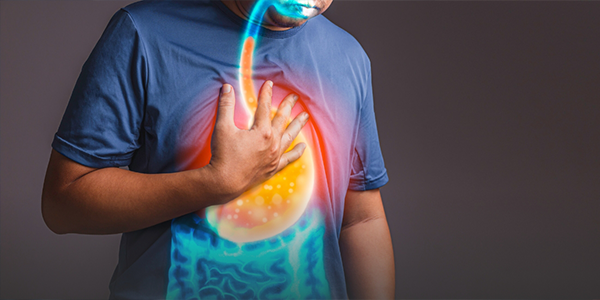
Reflux and reflux symptoms refer to the backflow of stomach contents into the esophagus. Normally, the valve between the stomach and esophagus allows food to pass into the stomach and prevents stomach acid from flowing back into the esophagus. However, when this valve relaxes or malfunctions, stomach acid flows back into the esophagus, causing reflux symptoms.
Refl___Nedir_5e0b4c48_1e3d4beb.webp

6 Advanced Reflux Symptoms and Treatments

Reflux is a common digestive problem caused by the backflow of stomach acid into the esophagus. It manifests with symptoms such as a burning sensation in the chest (heartburn) and a bitter taste in the mouth. While most people experience reflux occasionally, frequent and severe reflux attacks may indicate a chronic condition called Gastroesophageal Reflux Disease (GERD).

Advanced reflux can lead to damage in the esophagus and serious complications like Barrett’s esophagus. Therefore, recognizing reflux symptoms and seeking timely treatment is important.

In this comprehensive guide, A Life Health Group will discuss advanced reflux symptoms and treatment options.

Advanced Reflux Symptoms

Advanced reflux can cause more serious and uncomfortable symptoms in addition to typical reflux signs. Here are 6 advanced reflux symptoms to watch for:

  1. Severe and Frequent Heartburn: A burning sensation in the chest is the most common symptom of reflux. In advanced reflux, heartburn is more severe and frequent, can wake you up at night, and affect daily activities.
  2. Bitter Taste in the Mouth (Regurgitation): The backflow of stomach acid into the mouth can be more frequent and severe in advanced reflux. This may leave a bad taste in the mouth and damage tooth enamel.
  3. Difficulty Swallowing (Dysphagia): Damage and inflammation in the esophagus can cause difficulty swallowing. Symptoms may include trouble swallowing solid foods, feeling food stuck in the throat, or painful swallowing.
  4. Nausea and Vomiting: Advanced reflux may cause nausea and vomiting. If there is blood or coffee-ground appearance in the vomit, seek medical help immediately.
  5. Sensation of Lump in the Throat (Globus Sensation): Irritation and inflammation in the esophagus may cause a lump or stuck feeling in the throat. This sensation can make swallowing difficult and cause persistent discomfort.
  6. Chronic Cough and Asthma: Stomach acid escaping into the esophagus and airways can trigger or worsen chronic cough and asthma symptoms. Nighttime coughing, shortness of breath, and wheezing may be observed.

Advanced Reflux Treatments

The goal of advanced reflux treatment is to control symptoms, heal esophageal damage, and prevent complications. Treatment options include:

  1. Lifestyle Changes:

  • Weight Loss: Excess weight increases abdominal pressure, raising reflux risk. Losing weight can help reduce reflux symptoms.
  • Healthy Diet: Avoid foods and drinks that trigger reflux symptoms such as fatty and spicy foods, chocolate, coffee, acidic beverages, and citrus fruits.
    Small and Frequent Meals: Eat small and frequent meals throughout the day instead of large meals.
  • Avoid Lying Down Immediately After Eating: Remain upright for at least 2-3 hours after meals.
  • Elevate the Head of Your Bed: Raising the head of your bed 15-20 cm can prevent stomach acid from flowing back into the esophagus.
  • Quit Smoking: Smoking weakens the esophageal sphincter and increases reflux risk.
  • Limit Alcohol Consumption: Alcohol increases stomach acid production and can worsen reflux symptoms.
  • Avoid Stress: Stress can trigger reflux symptoms.
  1. Medication Treatment:

  • Antacids: Neutralize stomach acid to relieve symptoms.
  • H2 Receptor Blockers: Reduce stomach acid production.
  • Proton Pump Inhibitors (PPIs): More effectively block stomach acid production.
  1. Surgical Treatment:

Surgery may be considered in advanced reflux cases that do not respond to lifestyle changes and medication. The most commonly performed surgery is fundoplication. In this procedure, the upper part of the stomach is wrapped around the lower end of the esophagus to strengthen the valve and prevent stomach acid from flowing back into the esophagus.

Factors Triggering Reflux Symptoms

  • Nutrition: Some foods such as fatty and spicy foods, chocolate, coffee, alcohol, acidic drinks, tomatoes, and citrus fruits can trigger reflux symptoms.
  • Lifestyle: Smoking, being overweight, wearing tight clothing, lying down immediately after meals, stress, and lack of sleep can increase reflux risk.
  • Certain Medications: Pain relievers like aspirin and ibuprofen, some blood pressure medications, and antidepressants can worsen reflux symptoms.
  • Pregnancy: Hormonal changes and the pressure of the growing uterus on the stomach during pregnancy can cause reflux.
  • Hiatal Hernia: The condition where part of the stomach moves into the chest cavity due to a diaphragm hernia. Hiatal hernia increases the risk of reflux.

How to Distinguish Reflux Symptoms?

Distinguishing reflux symptoms is especially important when symptoms such as chest pain could be confused with a heart attack. Here are some tips to help differentiate reflux symptoms from other conditions:

Chest Pain:

  • Reflux: Usually presents as a burning sensation after meals or while lying down. Relief is felt when using antacids or acid-reducing medications.
  • Heart Attack: Presents as tightness, pressure, or heaviness in the chest. It may spread to the left arm, jaw, back, or stomach. It can be accompanied by shortness of breath, sweating, nausea, or dizziness.

If your chest pain is severe, persistent, or accompanied by heart attack symptoms, seek emergency medical care immediately.

Heartburn:

  • Reflux: Presents with a burning sensation in the chest, bitter or sour taste in the mouth, and difficulty swallowing.
  • Gastritis: Inflammation of the stomach lining causing symptoms similar to heartburn. In addition to heartburn, gastritis may cause nausea, vomiting, and abdominal pain.

Cough:

  • Reflux: Usually a dry cough occurring at night, accompanied by hoarseness and a feeling of something stuck in the throat.
  • Asthma: Characterized by shortness of breath, wheezing, and coughing attacks. It can be triggered by allergens, exercise, or cold air.

Difficulty Swallowing:

  • Reflux: May cause difficulty swallowing due to irritation and inflammation of the esophagus.
  • Esophageal Stricture: Narrowing of the esophagus causing swallowing difficulties. This can result from long-term reflux, radiotherapy, or some diseases.

Other Symptoms:

  • Hiccups: Reflux can cause hiccups.
  • Nausea and Vomiting: Reflux can cause nausea and vomiting.
  • Bad Breath: Stomach acid returning to the mouth can cause bad breath.
  • Tooth Erosion: Stomach acid can damage tooth enamel causing erosion.

If you have difficulty distinguishing reflux symptoms or if your symptoms are severe, it is important to consult a doctor. Your doctor will evaluate your symptoms, order additional tests if necessary (such as endoscopy, esophageal pH monitoring), and plan appropriate treatment.

Reflux Diagnosis

The methods used for diagnosing reflux are as follows:

  • Endoscopy: A thin, flexible tube with a camera at the tip is used to visualize the inner lining of the esophagus, stomach, and duodenum.
  • Biopsy: During endoscopy, tissue samples from suspicious areas are taken and examined under a microscope.
  • 24-Hour pH Monitoring: A device placed in the esophagus measures the frequency and duration of stomach acid reflux into the esophagus.
  • Gastric Emptying Test: A test that measures how quickly the stomach empties its contents.
  • Esophageal Manometry: A test measuring the muscle contractions in the esophagus.
  • Barium Swallow X-Ray: The patient drinks a barium-containing liquid, and X-ray images of the esophagus and stomach are taken.

Reflux and Nutrition

To control reflux symptoms, it is important to pay attention to your eating habits. By following the recommendations below, you can reduce reflux symptoms:

Foods Beneficial for Reflux:

  • Lean meats, chicken, and fish
  • Vegetables (except tomatoes and onions)
  • Fruits (except citrus)
  • Whole grains
  • Eggs
  • Yogurt
  • Ginger
  • Chamomile tea

Foods Harmful for Reflux:

  • Fatty and fried foods
  • Spicy foods
  • Chocolate
  • Coffee
  • Alcohol
  • Acidic beverages
  • Tomatoes
  • Onions
  • Citrus fruits

Reflux Treatment at A Life

A Life Healthcare Group has gastroenterologists and surgeons specialized in the diagnosis and treatment of advanced reflux. We serve our patients with the latest technological devices and modern treatment methods.

If you are experiencing reflux complaints, you can make an appointment with our specialist doctors by applying to A Life Healthcare Group. Our doctors will perform a comprehensive evaluation to determine the most appropriate treatment plan for you and will support you step by step throughout your recovery process.

Advantages offered by A Life Healthcare Group:

  • Experienced gastroenterologists and surgeons: Doctors specialized in the diagnosis and treatment of reflux.
  • Modern diagnostic methods: Advanced diagnostic methods such as endoscopy and esophageal pH monitoring.
  • Personalized treatment plans: Customized treatment plans for each patient.
  • Advanced surgical techniques: Minimally invasive surgical methods such as laparoscopic fundoplication.
  • Patient-centered approach: Patient comfort and satisfaction are prioritized.

Reflux is a condition that negatively affects quality of life. However, it can be managed with proper treatment and lifestyle changes. As A Life Healthcare Group, we are here to provide the best healthcare service to reflux patients.

Remember, early diagnosis and treatment are important to prevent serious complications that reflux may cause. If you have reflux complaints, consult a specialist without delay.

Prepared by A Life Medical Editorial Board.

Last Updated: 6 Kasım 2025 14:05

Publish Date: 24 Nisan 2024 17:40

6 Advanced Reflux Symptoms and Treatments

Quick Application Form

Please fill in the fields below so that we can reach you

Related Departments
Related Doctors
Similar Contents

Do you need help?

We are here for all your questions and problems 24/7.