

Stomach polyps are abnormal tissue growths that form on the inner lining of the stomach. They are usually benign, meaning they are not cancerous. However, some types of polyps can lead to stomach cancer over time.
They mostly do not cause symptoms and are often discovered incidentally during routine endoscopic examinations. However, in some cases, they may cause symptoms such as stomach pain, nausea, vomiting, and bleeding.
Are stomach polyps cancerous?, Is a polyp cancer?, Do polyps prevent pregnancy?, Do polyps hinder pregnancy?, Do polyps go away on their own?, Do stomach polyps cause pain?
A Life Health Group has an experienced team of gastroenterology specialists specialized in diagnosis and treatment. We are here to diagnose stomach polyps early with advanced diagnostic methods and endoscopic treatment options. We aim to provide you with the best and most reliable service.
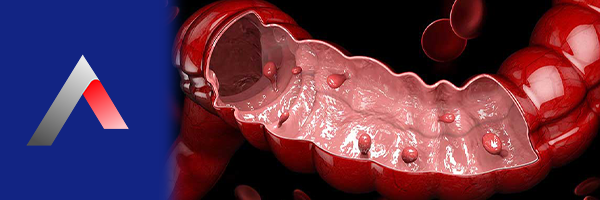
They are abnormal tissue growths that form on the inner surface (mucosa) of the stomach. These growths can vary in size and shape. Most polyps are small and pedunculated, meaning they are attached to the stomach wall by a thin stalk. Some polyps can be broad-based and flat.
They are generally benign, meaning they are not cancerous. However, some types of colon polyps can turn into stomach cancer over time. Therefore, early diagnosis and monitoring are important.
When examined under a microscope, they are classified into different types. The most common polyps are:
They mostly do not cause symptoms and are incidentally discovered during routine endoscopic examinations. However, in some cases, they may cause the following symptoms:
The exact causes of polyp formation are not fully known. However, some factors are thought to increase the risk:
They are generally diagnosed with upper gastrointestinal endoscopy. During this procedure, a thin, flexible tube (endoscope) is passed through the mouth into the esophagus, stomach, and duodenum. The endoscope has a camera at its tip that allows visualization of the stomach lining.
If polyps are detected during endoscopy, a biopsy can be taken and examined under a microscope. This helps determine the cause, type, and whether the polyps are cancerous.
How are stomach polyps removed? Treatment varies depending on the type, size, number, and cancer risk of the polyps.
Endoscopic Polyp Removal Methods:
A Life Health Group has an experienced team of gastroenterology specialists specialized in diagnosis and treatment. We offer early diagnosis and treatment to patients with gastric polyps through advanced diagnostic methods and endoscopic treatment options. We are here to provide you with the best and most reliable service.
Advantages We Offer at A Life:
Although it is not possible to completely prevent the development and formation of polyps, you can take some measures to reduce the risk:
Last Updated: 6 Kasım 2025 14:05
Publish Date: 24 Nisan 2024 17:36

Please fill in the fields below so that we can reach you
We are here for all your questions and problems 24/7.


 TR Türkçe
 EN English
 0 (850) 888 54 33


 E-Appointment
 E-Appointment
  E-Result



 0 (850) 888 54 33
 WhatsApp
 E-Appointment