

Circumcision is the surgical removal of the foreskin (prepuce) covering the head of the penis in boys. Practiced for centuries for religious, social, and medical reasons, circumcision is especially common in Türkiye. Families seek detailed information about circumcision to make the best decision for their child’s health and future. As A Life Health Group, in this comprehensive guide on circumcision in infants and children, you will find answers to your questions and gain accurate and reliable information.
Circumcision is the surgical removal of the piece of skin (prepuce) covering the head of the penis. As a result of this procedure, the head of the penis remains exposed. Circumcision is usually performed during infancy or childhood, but it can also be done in adulthood.
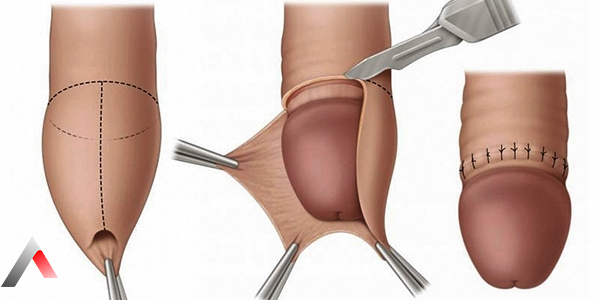
Circumcision is one of the oldest known surgical procedures, with origins dating back thousands of years. Historical evidence shows that circumcision held religious and ritual significance in various cultures such as Ancient Egypt, Judaism, and Islam. There are also findings suggesting that circumcision was performed for hygienic purposes. Today, circumcision is widely practiced, especially for religious and cultural reasons.
Circumcision can be performed using different techniques. The most common types of circumcision are:
Circumcision is usually performed during the newborn period, within the first few weeks or months. However, it can also be done during childhood or adulthood. The advantages of circumcision in the newborn period include faster healing, lower risk of complications, and less psychological impact.
Circumcision is known to have certain medical and hygienic benefits. These include:
Circumcision is generally a safe procedure; however, as with any surgical intervention, certain risks and complications may occur. These include bleeding, infection, delayed wound healing, sensitivity of the glans, cosmetic issues, and, though rarely, urethral stricture. At A Life Health Group, circumcision procedures are performed under sterile conditions by experienced surgeons, minimizing the risk of complications.
Before circumcision, the general health status of the baby or child is assessed. A fasting period of 6 hours is required prior to the procedure. The family is provided with detailed information about the circumcision, its risks, and possible complications, and informed consent is obtained.
Postoperative wound care is very important after circumcision. The surgical site should be kept clean and dry, prescribed creams should be applied regularly, the baby’s diaper should be changed frequently, and signs of infection should be monitored. The healing process usually takes 7–10 days.
The circumcision procedure is performed under local anesthesia, and the baby or child does not feel pain. Mild pain may occur after the surgery, but this pain can be easily managed with pain relievers.
Circumcision is generally performed during the newborn period, but it can also be done during childhood or adulthood.
Circumcision is a religious obligation in Judaism and Islam. In other religions, it is generally preferred for cultural or medical reasons.
The cost of circumcision varies depending on factors such as the city where the hospital is located, whether the hospital is private or public, the surgeon's experience, and the type of circumcision.
Post-circumcision wound care is very important. The surgical area should be kept clean and dry, prescribed creams should be applied regularly, the baby's diaper should be changed frequently, and signs of infection should be monitored.
The circumcision procedure can be performed by specialists in pediatric surgery, urology, or pediatric urology.
A Life Health Group provides reliable and effective circumcision services with experienced surgeons, modern operating rooms, and sterile conditions. By choosing A Life Health Group for your baby’s or child’s circumcision, you can ensure a healthy and safe circumcision experience.
Contact A Life Health Group:
You can contact A Life Health Group to get detailed information about circumcision, schedule a pre-circumcision evaluation appointment, and receive a price quote.
Remember: This article is for general informational purposes and does not replace medical advice. Always consult a doctor before making any decisions regarding circumcision.
Last Updated: 6 Kasım 2025 14:05
Publish Date: 25 Nisan 2024 10:16

Please fill in the fields below so that we can reach you
We are here for all your questions and problems 24/7.


 TR Türkçe
 EN English
 0 (850) 888 54 33


 E-Appointment
 E-Appointment
  E-Result




 0 (850) 888 54 33
 WhatsApp
 E-Appointment