

Constipation Surgery (Colon Resection)

What Is Colon Resection?

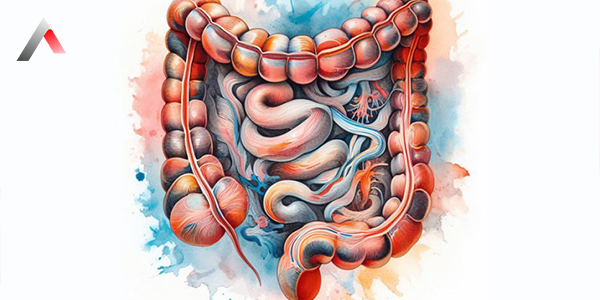
Colon resection is a surgical procedure performed to treat or alleviate constipation problems. This surgery involves removing a portion or the entirety of the large intestine (colon).

Colon resection is usually performed to correct lower bowel obstructions or a weak or damaged section of the large intestine that causes constipation problems. These conditions prevent the colon from functioning normally and can slow bowel movements, leading to constipation.

During the surgery, the surgeon typically removes the affected section and connects the healthy ends of the intestine. This procedure helps restore normal bowel function, allowing stool to pass properly and reducing constipation symptoms.

Colon resection is generally performed using a minimally invasive method called laparoscopic surgery. In this technique, surgical instruments and a camera are inserted through several small incisions to carry out the operation. Laparoscopic surgery may provide less pain, less tissue damage, and a faster recovery process. However, in some cases, open surgery may be necessary.

Colon resection can offer a significant solution for patients suffering from constipation. However, as with any surgical procedure, the risks and benefits of the surgery should be considered. Therefore, if you are considering a surgery such as colon resection, it is important to have a detailed evaluation with your doctor.
Colon_Resection_d5c001f9.webp

Why Is Colon Resection Performed?

Colon resection may be performed to treat or alleviate constipation problems. Constipation is a condition in which stool passes irregularly or with difficulty and bowel movements decrease. This condition is often associated with the disruption of the normal functions of the large intestine (colon).

Constipation surgery may be considered in the following situations:

  • Bowel obstruction: Colon resection can be performed to remove blockages that form in the large intestine. The obstruction prevents stool from passing normally and causes constipation symptoms.
  • Colon damage or weakness: If a section of the colon is damaged or weakened, this may also lead to constipation problems. The surgery aims to restore normal bowel function by removing or correcting the affected area.
  • Neurological problems: Certain neurological conditions can affect bowel movements and cause constipation. Constipation surgery aims to improve bowel function in cases related to neurological disorders.
  • When other treatment methods fail: People experiencing constipation often try dietary changes, fiber supplements, medications, and other conservative treatment methods. However, when these treatments are ineffective or when there is an underlying cause, constipation surgery may be considered.

The necessity of the surgery is evaluated based on the individual’s condition and the severity of constipation. Therefore, colon resection may be recommended after a comprehensive evaluation by a doctor. Like any surgery, colon resection has its own risks and benefits, and these factors should be carefully considered before making a decision.

What Are the Benefits of Colon Resection?

Colon resection can provide various benefits for individuals experiencing constipation problems.

Here are some possible benefits of constipation surgery:

  • Reduction of constipation symptoms: Constipation surgery allows stool to pass more regularly and easily. Bowel movements normalize, and constipation symptoms—especially difficult defecation, bloating, and pain—decrease or may completely disappear.
  • Improved bowel function: Constipation surgery restores normal bowel movements by improving bowel function. This allows the intestines to work more effectively and ensures proper elimination of stool.
  • Improved quality of life: Constipation can negatively affect daily quality of life. Constipation surgery may help improve quality of life by reducing constipation symptoms. It can help individuals feel more comfortable, participate more in normal activities, and enjoy social life more fully.
  • Reduced medication use: People with chronic constipation often rely on laxatives or other medications. Constipation surgery can help reduce or even eliminate the need for medication by improving bowel function.
  • Long-term solution: When properly selected and performed, constipation surgery can provide a long-term solution. The success rate of the surgery can be high, and the likelihood of constipation problems recurring may decrease.

The benefits of constipation surgery may vary depending on the individual’s condition and the type of surgery. It is important to consult a healthcare professional to learn more about the risks and benefits of the procedure and to evaluate suitable treatment options.

The Importance of Nutrition After Colon Resection

For individuals who have undergone constipation surgery, nutrition plays a crucial role in supporting the recovery process and maintaining bowel health. Here are the importance of nutrition and some recommendations for those receiving constipation surgery treatment:

  • Adequate fiber intake: Fiber is an important factor in alleviating constipation problems. After constipation surgery, consuming fiber-rich foods helps regulate bowel movements and facilitates stool passage. It is important to consume sufficient amounts of fiber-rich foods such as fruits, vegetables, whole grains, and legumes.
  • Water consumption: Drinking water helps regulate bowel movements. After constipation surgery, drinking enough water helps keep the stool soft and makes its passage easier. It is recommended to drink at least 8–10 glasses of water a day.
  • Regular meals: Regular and timely meals help the intestines function properly. Eating at specific times and maintaining a consistent meal schedule can help regulate bowel movements.
  • Probiotics: Probiotics are beneficial bacteria that support digestive system health. After constipation surgery, taking probiotic supplements or consuming probiotic-rich foods can help balance the gut flora and protect bowel health.
  • Eating slowly: Eating slowly and chewing food thoroughly facilitates digestion and stimulates bowel movements. Eating in a hurry can interfere with the proper functioning of the digestive system.
  • Foods to avoid: Some foods can trigger constipation. It is recommended to avoid refined grains, processed foods, and foods high in fat and sugar.

Since each individual’s nutritional needs may differ, it is important to work with a nutritionist or dietitian for a personalized diet plan after constipation surgery. The specialist can create a suitable nutrition plan tailored to the person’s specific needs and help alleviate constipation problems.

Which Technologies Are Used in Colon Resection?

Various technologies are used for constipation surgery (colon resection). Here are some of the commonly used technologies in constipation surgery:

  • Laparoscopic surgery: Constipation surgery is usually performed using a minimally invasive method called laparoscopic surgery. In this technique, surgical instruments and a camera (laparoscope) are inserted through several small incisions to carry out the operation. The laparoscope provides visual insight to the surgeon and allows the procedure to be performed more precisely. Laparoscopic surgery can offer advantages such as less pain, reduced tissue damage, and a faster recovery process.
  • Robotic surgery: In some cases, constipation surgery can be performed using a technology called robotic surgery. In this method, the surgeon operates using a robotic surgical system. Robotic surgery can provide the surgeon with three-dimensional imaging, more precise movements, and better control. This may result in a less invasive procedure and a faster recovery process.
  • Electrocautery and laser: During constipation surgery, energy sources such as electrocautery or laser may be used. These technologies can be applied for closing incisions, controlling bleeding, and manipulating tissues.
  • Endoscopic methods: In some cases, constipation surgery can be performed using endoscopic methods. In these techniques, an endoscope (a flexible tube) is used to access the intestines, allowing for examinations or certain interventions before performing the actual surgery.

The technologies used in constipation surgery may vary depending on the surgeon’s preferences, the patient’s condition, and the requirements of the surgery. Before each operation, the surgeon evaluates the patient and determines the most appropriate technique and technology.

What Are the Alternative Treatments for Colon Resection?

For individuals experiencing constipation, there are alternative treatment options available before or instead of constipation surgery. Here are some commonly used alternative treatments for constipation:

  • Dietary changes: Diet plays an important role in alleviating constipation. Consuming fiber-rich foods helps regulate bowel movements and facilitates stool passage. Adding fiber-rich foods such as fruits, vegetables, whole grains, whole wheat bread, oatmeal, and legumes to the diet can be beneficial. Additionally, drinking sufficient water is important.
  • Water consumption: Drinking water helps soften stool and make its passage easier. Drinking at least 8–10 glasses of water a day can help alleviate constipation.
  • Exercise: Regular exercise stimulates bowel movements and can relieve constipation. Aerobic exercises such as walking, running, and swimming, as well as exercises that strengthen the abdominal muscles, support bowel health.
  • Laxatives: If constipation persists, laxatives recommended by a doctor may be used. Laxatives help soften stool and stimulate bowel movements, alleviating constipation symptoms. However, long-term or excessive use of laxatives can disrupt bowel habits, so they should be used under medical supervision.
  • Bowel exercises: Exercises that stimulate bowel movements can help relieve constipation. For example, exercises performed by bending the legs toward the chest can encourage bowel activity.
  • Probiotics: Probiotic supplements or probiotic-rich foods can increase beneficial bacteria that support bowel health, helping to alleviate constipation problems.

These alternative treatments are generally used for mild to moderate constipation. However, individuals with severe or chronic constipation may require more invasive treatments, such as surgery. In any case, it is important to consult a doctor to determine the best treatment options for alleviating constipation.

Prepared by A Life Medical Editorial Board.

Last Updated: 6 Kasım 2025 14:05

Publish Date: 25 Nisan 2024 10:12
Constipation Surgery (Colon Resection)

Quick Application Form

Please fill in the fields below so that we can reach you

Related Departments
Related Doctors
Similar Contents

Do you need help?

We are here for all your questions and problems 24/7.