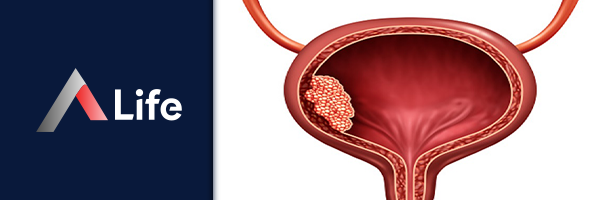

Cystolithotomy Procedure

Cystolithotomy – Effective Surgical Solutions

A Life Health Group provides reliable and effective solutions such as cystolithotomy with its team specialized in modern urological surgical procedures. Cystolithotomy is the surgical removal of stones formed in the bladder. This procedure offers an effective solution that improves patients’ quality of life when stones cause obstruction and discomfort in the bladder.

What is Cystolithotomy?

Cystolithotomy is defined as the surgical removal of stones located in the bladder. Bladder stones generally form due to urinary tract obstruction, infections, or other causes, and these stones can make urination difficult or cause pain. Cystolithotomy is a surgery performed to remove these stones. The procedure is usually carried out through an incision in the lower abdominal area, and after the stones are removed, the bladder returns to normal.

This procedure can be performed using different techniques depending on the size and location of the stone as well as the patient’s overall health. Endoscopic methods may also be preferred in some cases.

Cystolithotomy_3f1fcdad.webp

Necessity and Indications of Cystolithotomy

Cystolithotomy is generally necessary for the removal of large, impacted, or untreatable stones in the bladder. Indications vary depending on the size and location of the stone as well as the patient’s health condition. Some common situations that require cystolithotomy include:

Necessity and Indications of Cystolithotomy:

  • Large and Impacted Stones:
    • When there are large stones or multiple stones in the bladder, they can block the urinary tract, making it difficult for urine to exit the bladder. In such cases, surgical intervention may be necessary.
  • Failure to Remove Bladder Stones with Conservative Methods:
    • Small stones can sometimes be passed through the urinary tract or fragmented with a laser. However, large and hard stones that cannot be removed using endoscopic methods or other conservative treatments may require cystolithotomy.
  • Recurrent Bladder Stones:
    • If a patient experiences repeated bladder stones that cannot be controlled with treatment, surgical intervention may be recommended.
  • Bladder Stones Causing Infection and Inflammation:
    • Bladder stones can lead to chronic infections and inflammation in the bladder. This situation may necessitate surgical removal of the stones.
  • Urinary Tract Infections (UTIs):
    • If urinary tract infections frequently occur in the area where stones are located, stone removal may be required to treat these infections.
  • Bladder Wall Damage and Perforation:
    • If stones cause damage or perforation of the bladder wall, cystolithotomy may be performed to correct the issue and remove the stones.
  • Urinary Tract Obstructions:
    • Stones in the bladder can prevent proper emptying of urine from the bladder, and surgical intervention may be necessary in case of obstruction.
  • Impact on Kidney Function:
    • Bladder stones can cause urine to reflux to the kidneys, affecting kidney function. In such cases, surgical removal of the stones may be required.

Cystolithotomy can generally be performed using endoscopic or open surgical techniques. The method is determined based on the stone’s size, location, and the patient’s overall health condition.

Preparation Process for Cystolithotomy

The preparation process for cystolithotomy is crucial to ensure patient safety before surgery and to support the recovery process. Below are the main steps of the preparation process for cystolithotomy:

1.Medical Evaluation and Tests:

  • Physical Examination: Before the surgical procedure, the patient’s overall health is assessed. Basic vitals such as blood pressure, heart rate, and respiration are checked.
  • Laboratory Tests: Blood tests (complete blood count, kidney function tests, electrolyte levels) may be performed. Urinalysis may also be requested.
  • Advanced Imaging: Imaging methods such as ultrasound, X-ray, or computed tomography (CT) scans can be used to determine the location, size, and number of stones.
  • ECG: Particularly for elderly patients or those with a history of heart disease, an ECG may be performed to evaluate heart function.

2.Anesthesia Evaluation:

  • Consultation with Anesthesiologist: Cystolithotomy is usually performed under general anesthesia. The anesthesiologist will determine the appropriate anesthesia method based on the patient’s health status and history.
  • Anesthesia Risk Assessment: The patient’s medical history is reviewed to understand how they may respond to anesthesia. Any allergies, anesthesia sensitivities, or previous anesthesia experiences are taken into consideration.

3.Medication Adjustments:

  • Medication Use: Patients should inform their doctor about regular medications (especially blood thinners, aspirin, etc.). Some medications may need to be temporarily stopped before surgery.
  • Antibiotic Prophylaxis: To reduce the risk of infection, antibiotic treatment is usually started before the surgical procedure. This helps minimize the risk of infections related to bladder stones.

4.Fasting and Fluid Intake:

  • Fasting Period: Generally, a fasting period of 6–8 hours is recommended before the procedure. This is important to prevent vomiting or aspiration of stomach contents during general anesthesia.
  • Fluid Intake: Fluid intake is usually limited before anesthesia, but the patient may be allowed to drink as needed.

5.Psychological Preparation:

  • Patient Education: It is important to inform the patient about the surgical procedure, potential risks, recovery process, and expected outcomes. Psychological support can be provided for patients with concerns.
  • Relaxation Techniques: Some patients may prefer to use relaxation methods (deep breathing, meditation, etc.) before surgery to help reduce anxiety.

6.Surgical Site Preparation:

  • Hygiene and Sterilization: The surgical area should be cleaned and disinfected. Patients may be advised to take a hygienic bath before surgery.
  • Shaving: If hair is present around the surgical area, shaving may be done before surgery to reduce infection risk.

7.Hospital Admission and Communication:

  • Hospital Admission: The patient needs to be admitted to the hospital and complete all necessary documentation. Before surgery, identification, insurance information, and consent forms must be completed.
  • Support Persons: Having a family member or close companion present can provide support during the recovery process.

This preparation process is essential to ensure the patient is safely ready for the surgical procedure and to promote a successful recovery.

How Cystolithotomy Surgery is Performed

Cystolithotomy is a surgical procedure to remove stones from the bladder and is generally preferred for large or impacted stones. This surgery can be performed using open surgery or endoscopic methods. The technique used depends on the stone’s location, size, and the patient’s overall health. Below is a general explanation of how cystolithotomy surgery is performed.

Steps of Cystolithotomy Surgery:

1.Anesthesia:
  • Cystolithotomy is usually performed under general anesthesia. The patient is put to sleep and does not feel any pain during the operation.
  • In some cases, depending on the patient’s condition, spinal anesthesia (numbing from the waist down) may also be preferred.

2.Preparation of the Surgical Area:

  • The patient’s abdominal area is cleaned and sterilized. This is very important to reduce the risk of infection.
  • Sterile drapes are placed over the surgical area.
3.Making the Incision:
  • Open Cystolithotomy (Open Surgery Method):
    • The surgeon makes an incision in the lower abdominal area (usually near the groin) to access the bladder.
    • The size of the incision is determined by the size and location of the stone.
  • Endoscopic Cystolithotomy (Minimally Invasive Method):
  • Using the endoscopic method, the surgeon reaches the bladder through the urinary tract with a tube (endoscope). No incision is required in this method. The endoscope is used to visualize and remove the stones.

4.Stone Removal:

  • Open Surgery Method:
    • Once the bladder is accessed, the surgeon directly removes the stones inside the bladder. Large stones may be broken into pieces before removal.
    • If the stones are very large, they may need to be fragmented first, which facilitates surgical removal.
  • Endoscopic Method:
    • The endoscope is inserted into the bladder, and stones are broken and removed using laser or ultrasonic devices. This method is less invasive and usually allows for a faster recovery process.

5.Bladder Inspection and Closure:

  • After the stones are removed, the surgeon inspects the bladder for any signs of bleeding or infection.
  • If an incision was made, it is carefully closed. The surgeon sutures the abdominal wall and skin layers.

6.Urinary Catheter:

  • During the procedure, a urinary catheter is usually placed since the bladder is not emptied naturally. This catheter collects urine and supports bladder healing.
  • The catheter may remain in place for several days.

7.Postoperative Monitoring and Recovery:

  • After the surgery, the patient’s overall condition is monitored. Painkillers may be administered for pain management.
  • The recovery period depends on the surgical method. Open cystolithotomy generally requires a longer recovery period, while endoscopic surgery allows for faster healing.
  • The urinary catheter is usually removed within 1–3 days.
Endoscopic Cystolithotomy Method (Minimally Invasive)

This method is less invasive compared to traditional open surgery, and the recovery process is generally faster. The steps for endoscopic cystolithotomy are as follows:

  • Placement of Urinary Catheter: During the procedure, a urinary catheter is used to access the bladder.
  • Use of Endoscope and Laser: The endoscope is inserted into the bladder, and the stones are fragmented using laser energy. The laser breaks the stones into smaller pieces, facilitating their removal from the bladder.
  • Stone Fragmentation: The stones are divided into small fragments with the laser and expelled through the urinary tract.

Recovery and Care:

  • Patients are usually discharged after being monitored in the hospital for 1–2 days.
  • Antibiotic treatment may be started to prevent urinary tract infections.
  • Patients should maintain adequate fluid intake and keep the urinary tract clean during the recovery process.

Cystolithotomy provides an effective treatment for bladder stones, while proper postoperative care and monitoring are crucial. The success of the surgery depends on the surgeon’s experience and the patient’s overall health condition.

Postoperative Recovery Process After Cystolithotomy

The recovery process after cystolithotomy can vary depending on the surgical method, the patient’s overall health, and the success of the operation. In general, the recovery process includes the following steps:

1. Initial Days in the Hospital:

  • Monitoring: Patients are typically observed in the hospital for the first 24–48 hours after surgery. During this period, vital signs (blood pressure, pulse, respiration) are regularly monitored.
  • Pain Management: Pain may occur after cystolithotomy, so patients may be given pain-relieving medications. Pain management is an important step to ensure patient comfort.
  • Urinary Catheter: If open surgery is performed, a urinary catheter is usually placed to support bladder healing. The catheter may remain in place for several days to ensure proper urine drainage.
  • Antibiotic Therapy: Antibiotic treatment may be started to reduce the risk of infection.

2. Home Recovery:

  • First 1–2 Weeks:
    Rest: It is important to rest and limit physical activities during the first few weeks. Patients should avoid heavy lifting or strenuous activities, as pain may occur during urination or physical movement.
  • Pain Control: Pain at home can be managed with prescribed painkillers. The intensity of pain generally depends on the type of operation. Recovery after endoscopic cystolithotomy is usually faster and less painful.
  • Urination: Discomfort, burning, or pain during urination may occur but usually decreases over time. Any excessive pain or bleeding should be reported to the doctor immediately.
  • Catheter Removal: After the catheter is removed, patients may experience temporary difficulty urinating or increased frequency. This usually resolves within a few days.

3. Follow-Up and Checkups:

  • Doctor Visits: After cystolithotomy, patients have follow-up appointments with their doctor within a few days. Recovery progress, potential infections, and any complications are assessed.
  • Imaging Tests: In some cases, imaging tests such as ultrasound may be performed to ensure complete recovery.

4. Precautions During Recovery:

  • High Fluid Intake: Drinking plenty of water is important to cleanse the urinary tract and support healing. It also helps prevent urinary tract infections.
  • Monitor for Infection: Signs of infection, such as fever, severe pain, hematuria, or foul-smelling urine, require immediate medical attention.
  • Limited Physical Activity: Heavy exercises or sports should be avoided. Normal activities can resume a few weeks later with the doctor’s approval.

5. Long-Term Recovery:

  • Full Recovery Time: Full recovery time depends on the surgical method. Recovery from open surgery generally takes longer, with complete healing expected within 4–6 weeks. Endoscopic cystolithotomy usually allows a faster recovery, and patients can resume normal activities within a few days.
  • Urination Control: Some patients may experience temporary difficulty urinating, leakage, or frequent urination during recovery. These issues are usually short-term, but persistent problems should be discussed with a doctor.

6. Complications and Risks:

  • Bleeding: Bleeding may occur in or around the bladder wall. While this is normal postoperatively, excessive bleeding may require medical intervention.
  • Infection: Infection can occur due to the urinary catheter or the surgical site. Antibiotic treatment and regular follow-up help reduce infection risk.
  • Urinary Tract Obstruction: Rarely, urinary tract obstruction may develop after stone removal, potentially requiring additional surgery.

In conclusion, the recovery process after cystolithotomy varies according to surgical outcomes and the patient’s health. Regular doctor visits and proper postoperative care support a safe and effective recovery.

Alternative Treatment Methods for Cystolithotomy

Cystolithotomy is a common method for surgically removing bladder stones, but in some cases, alternative treatment methods can also be used. These alternatives are determined based on the size, location of the stone, and the patient’s overall health. Below are some treatment methods that may serve as alternatives to cystolithotomy:

1. Lithotripsy (Stone Breaking Method):

  • Extracorporeal Shock Wave Lithotripsy (ESWL):
    • Definition: ESWL is a technique that aims to break bladder stones into smaller pieces using shock waves delivered from outside the body. This method is used to remove stones without the need for direct surgical intervention.
    • Advantages: It is less invasive compared to endoscopic surgery, usually performed under sedation, and has a relatively fast recovery time.
    • Application: Suitable for small to medium-sized stones. It may not be effective for large stones or stones located in hard-to-reach areas of the body.
    • Risks: Stones may not break completely, or fragments may remain in the bladder. Mild bleeding or urinary tract irritation may occur due to shock waves.

2. Endoscopic Stone Removal (Transurethral Cystolithotomy):

  • Definition: Endoscopic stone removal involves accessing the bladder through the urinary tract to extract stones. Stones are typically fragmented using laser, ultrasound, or mechanical instruments and removed in small pieces.
  • Advantages: Minimally invasive, no large incisions required, and patients usually recover quickly.
  • Application: Generally used for small to medium-sized stones. Endoscopic stone removal is less invasive than cystolithotomy.
  • Risks: Success depends on the stone’s size and location. Rare complications may include urinary tract infections, bleeding, or urinary tract injuries.

3. Laser Stone Fragmentation (Laser Cystolithotomy):

  • Definition: The procedure uses laser energy to break or fragment bladder stones. The laser divides stones into smaller pieces, facilitating easier removal.
  • Advantages: Laser treatment can completely break the stones, often with minimal incisions, which speeds up recovery.
  • Application: Particularly suitable for hard stones. Laser fragmentation is an effective alternative for large stones.
  • Risks: Risks include infection, bleeding, and urinary tract obstruction.

4. Medication for Bladder Stones (Chemical Dissolution):

  • Definition: Some bladder stones, especially uric acid stones, can be dissolved with medication. This treatment is determined based on the chemical composition of the stones.
  • Medications: Alkalinizing agents (e.g., potassium citrate) and medications that help dissolve uric acid stones may be used.
  • Advantages: Less invasive as it does not require surgery.
  • Application: Suitable for certain types of stones, particularly uric acid stones.
  • Risks: Effectiveness depends on the type of stone, and medications may not work equally for all patients. Treatment can also be prolonged.

5. Urinary Tract Stent (To Facilitate Stone Passage):

  • Definition: For large stones, a stent can be placed in the urinary tract to help break stones into smaller pieces and allow natural passage without surgery.
  • Advantages: Stones may pass naturally through urinary tract movement. Stents can also be used to reposition stones.
  • Application: Used for large stones, especially those tightly attached to the bladder wall. Stents provide a temporary solution.
  • Risks: Stents may increase the risk of urinary tract infection and cause discomfort in some patients. Prolonged stent placement can lead to additional complications.

6. Natural Methods and Diet:

  • Definition: Some individuals prefer to pass small stones naturally at home. High fluid intake can help stones pass, and certain diets may prevent stone formation.
  • Advantages: Non-surgical and medication-free approach.
  • Application: Suitable for small stones and prevention of stone formation.
  • Risks: Effective only for small stones; large or impacted stones may not be adequately treated.

In conclusion, alternative treatment methods to cystolithotomy depend on the stone’s size, type, location, and the patient’s overall health. Less invasive methods such as endoscopic treatment, laser therapy, and ESWL may be preferred for small to medium-sized stones. However, for large stones and complicated cases, surgical intervention usually remains the most effective treatment option.

Risks and Complications of Cystolithotomy

Cystolithotomy is a surgical procedure for removing bladder stones, typically preferred when stones are large, impacted, or too complex to be removed by other methods. However, like any surgery, cystolithotomy carries certain risks and potential complications. These may vary depending on the patient’s overall health, the surgeon’s experience, and the technique used.

Risks and Complications of Cystolithotomy:

1. Bleeding:

  • Description: During cystolithotomy, blood vessels in or around the bladder may be damaged, causing bleeding.
  • Risk Factors: The risk increases with large stones, open surgical methods, or pre-existing health conditions (e.g., bleeding disorders).
  • Treatment: Bleeding is usually controlled by the surgeon. In rare cases, significant bleeding may require additional surgical intervention.

2. Urinary Tract Infection (UTI):

  • Description: The urinary tract or bladder may become infected during cystolithotomy. Postoperative catheter use can also increase infection risk.
  • Risk Factors: Catheter placement, lack of sterilization, or a weakened immune system increase the likelihood of infection.
  • Treatment: Antibiotics are generally effective. Symptoms such as fever, pain, or foul-smelling urine should be addressed immediately.

3. Urinary Tract Obstruction or Stricture:

  • Description: Surgery can damage the bladder or urethra, leading to obstruction or narrowing.
  • Risk Factors: Damage to the bladder wall or urethra during stone removal, or prolonged catheter use, can contribute.
  • Treatment: Additional surgery or other interventions may be needed. Urethral stents or corrective surgery may be applied for strictures.

4. Bladder or Urinary Tract Injury:

  • Description: The bladder wall or urinary tract can be injured during cystolithotomy.
  • Risk Factors: Large, hard stones, surgeon inexperience, or endoscopic procedure challenges increase risk.
  • Treatment: Minor bladder injuries usually heal postoperatively, but serious injuries may require additional surgery.

5. Incomplete Stone Removal:

  • Description: Stones may not be fully removed, leaving small fragments in the bladder, potentially requiring repeat surgery.
  • Risk Factors: Stone size or location can hinder complete removal. In endoscopic methods, fragments may remain during stone fragmentation.
  • Treatment: Additional treatment or repeat surgery may be required if stones are not completely removed.

6. Pain and Discomfort:

  • Description: Postoperative burning, pain, or discomfort during urination may occur. These are usually temporary but can last longer in some patients.
  • Risk Factors: Presence of a urinary catheter, bladder tissue recovery, or the extent of surgery can affect pain duration.
  • Treatment: Painkillers and urinary antiseptics can manage discomfort. Persistent pain should be reported to a doctor.

7. Bladder Infection and Sepsis:

  • Description: Infection can spread to surrounding bladder tissues. If it enters the bloodstream, sepsis may develop.
  • Risk Factors: Catheter use, inadequate sterility during surgery, or a weakened immune system increase sepsis risk.
  • Treatment: Sepsis requires urgent care, including antibiotics and possibly intensive care.

8. Anesthesia-Related Complications:

  • Description: Cystolithotomy is usually performed under general anesthesia, which may cause complications.
  • Risk Factors: Allergies to anesthesia, heart or lung problems, advanced age, or severe health issues may contribute.
  • Treatment: Immediate intervention and monitoring are required if complications occur during anesthesia.

9. High Blood Pressure and Heart Problems:

  • Description: Surgical stress or anesthesia can cause blood pressure fluctuations or cardiac issues.
  • Risk Factors: Patients with a history of heart disease or hypertension are more prone to such complications.
  • Treatment: Close monitoring and appropriate medical intervention based on the patient’s history are essential.

Conclusion:
Although cystolithotomy is generally successful, it carries inherent risks and complications. These depend on the type of surgery, the patient’s health, and stone characteristics. Careful patient selection, appropriate surgical techniques, and proper postoperative care are crucial to minimizing complications. Patients should immediately contact their doctor if they experience symptoms such as pain, bleeding, fever, or urinary problems.

Postoperative Patient Follow-Up After Cystolithotomy

Postoperative follow-up after cystolithotomy is crucial for monitoring recovery, detecting complications early, and supporting the healing process. Proper follow-up ensures patient safety and maximizes the success of the surgery. Key follow-up steps include:

1. Monitoring Clinical Condition:

  • Pain Management: Assess the patient’s pain level regularly. Pain can affect quality of life, and analgesics should be administered to ensure comfort.
  • Urination: Track frequency, color, and volume of urine. Observe for burning, pain, or bleeding, which may indicate infection or complications in healing.

2. Urinary Catheter Care:

  • Catheter Maintenance: If a catheter was placed, ensure proper placement and function. Prevent blockage, infection, or displacement, and maintain regular cleaning.
  • Urine Observation: Monitor color and amount of urine via the catheter. Look for signs of bleeding or infection, such as foul-smelling urine.

3. Infection Monitoring:

  • Fever: A high temperature may indicate infection and may require antibiotics.
  • Urinary Tract Infection (UTI): Watch for painful urination, cloudy urine, foul odor, or fever, which may suggest a UTI.
  • Bleeding: Observe for blood in urine. Mild bleeding may be normal, but severe bleeding requires immediate attention.

4. Bladder Healing and Urine Flow:

  • Bladder Recovery: Encourage rest and adequate hydration. Monitor for inflammation or delayed healing.

  • Urine Flow: Any obstruction or difficulty may indicate urethral narrowing or incomplete stone removal and should be addressed promptly.

5. Early Complication Detection:

  • Urinary Obstruction/Stricture: Monitor for difficulty or reduced urine flow as early signs of obstruction or stricture.
  • Bleeding: Persistent or increased bleeding may require further intervention.

6. Medication and Treatment Monitoring:

  • Antibiotics: Ensure full course completion to prevent infection.
  • Pain Management: Track effectiveness and side effects of pain medications, especially their impact on kidney and liver function.

7. Physical Activity and Rest:

  • Early Rest: Ensure adequate rest during initial postoperative days and avoid strenuous activity until the catheter is removed.
  • Gradual Activity: Light activity may begin as recovery progresses, avoiding excessive strain until cleared by a physician.

8. Follow-Up Appointments:

  • Initial Check-Up: Usually scheduled within 1–2 weeks to assess recovery and check for infection or complications.
  • Long-Term Follow-Up: Subsequent visits may occur every 1–3 months. Lifestyle and dietary adjustments may be advised to prevent stone recurrence.

9. Patient Education and Counseling:

  • Hydration: Encourage adequate fluid intake to support urinary tract health and prevent infections.
  • Diet and Lifestyle: Provide guidance on diet modifications based on stone type (e.g., acidic diet for uric acid stones or limiting oxalate for calcium oxalate stones).

Conclusion:
Effective follow-up after cystolithotomy is essential for safe recovery. Regular monitoring, early detection of complications, and proper care accelerate healing and help prevent recurrence of bladder stones.

Cystolithotomy Services
Comprehensive Diagnosis and Assessment

We conduct a thorough pre-evaluation process to create an appropriate treatment plan for our patients. The size and number of bladder stones are assessed to determine the most suitable treatment method. Accurate diagnosis is made using imaging techniques and laboratory tests.

Advanced Surgical Procedures

A Life Health Group performs the cystolithotomy procedure using the most up-to-date surgical techniques. Stones are safely removed, typically through minimally invasive methods. Advanced surgical techniques shorten the recovery period and reduce the risk of complications.

Patient-Centered Care

We provide services in our modern and hygienic healthcare facilities, prioritizing the comfort and safety of our patients. Comprehensive consultation and support services are offered before and after surgery to ensure patient satisfaction.

Rehabilitation and Follow-Up

In the postoperative period, we provide close monitoring and support to ensure our patients recover quickly and healthily. We continue to support them with personalized recovery plans and recommendations tailored to each patient’s condition.

Why Choose A Life for Cystolithotomy?
  • Expert Team: Our experienced urology specialists use the most advanced surgical techniques to achieve the best results.
  • Personalized Treatment Plans: Individual assessments and tailored treatment processes are developed for each patient.
  • Patient Safety and Satisfaction: We provide safe, effective, and comfortable surgical solutions in our modern facilities.

A Life Health Group ensures the safe and effective surgical removal of bladder stones through cystolithotomy. Our expert team addresses this health issue using modern surgical techniques.

A Life Health Group offers a professional solution to help you get rid of bladder stones through cystolithotomy. In our center, where expertise and modern technology come together, we provide the best surgical services for your health. Contact us to regain your well-being!

Prepared by A Life Medical Editorial Board.

Last Updated: 6 Kasım 2025 14:05

Publish Date: 25 Nisan 2024 10:18

Cystolithotomy Procedure

Quick Application Form

Please fill in the fields below so that we can reach you

Related Departments
Related Doctors
Mustafa Kemal Atikeler
Prof. Dr. Mustafa Kemal Atikeler

Urology

Similar Contents

Do you need help?

We are here for all your questions and problems 24/7.