
Dry Mouth

Dry Mouth: Causes and Symptoms

Do you constantly feel that your mouth is dry even when you drink enough water? Do you struggle while speaking, eating, or even swallowing?

Dry mouth is a common health issue that negatively affects daily life. This problem can stem from many different causes and may be more pronounced in individuals who experience dryness particularly at night.

Medically referred to as "xerostomia," this condition occurs when the salivary glands are unable to produce enough saliva. A Life Health Group provides information about dry mouth. In this guide, you can find the causes, symptoms, and treatment methods for dry mouth, as well as measures to protect your oral health.
Dry_Mouth_5db6a373.webp

What Is Dry Mouth?

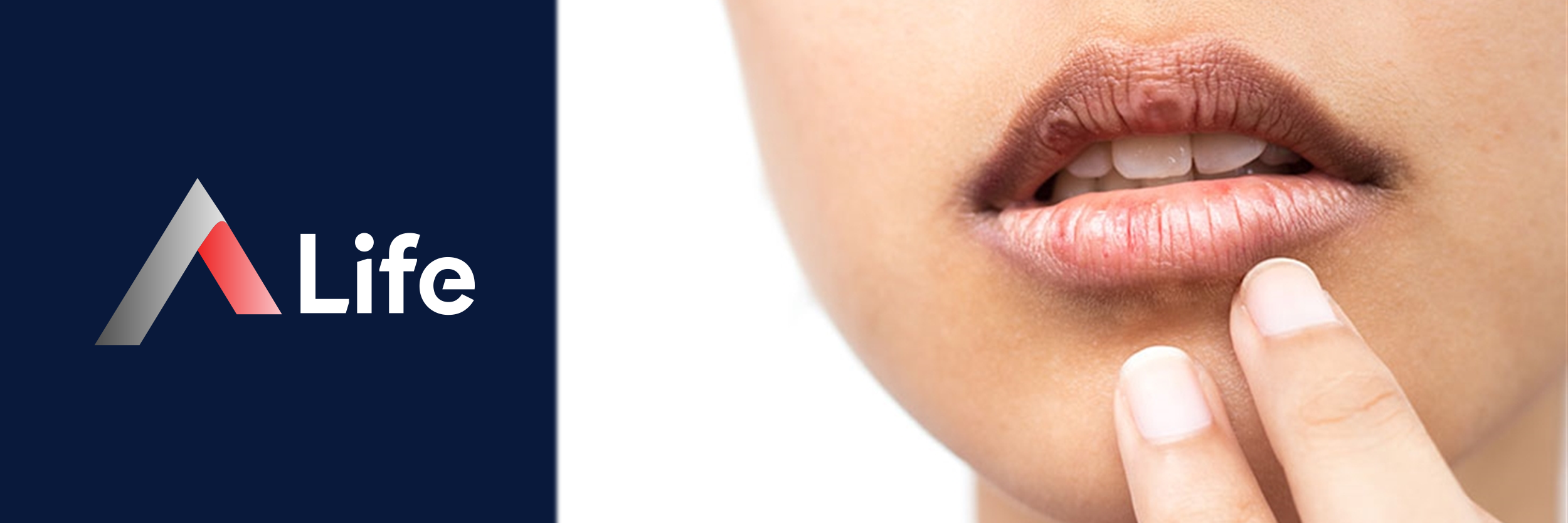
Dry mouth is the sensation of dryness in the mouth caused by the salivary glands not producing enough saliva or changes in the consistency of saliva.

Saliva is a vital fluid for oral health. It protects teeth from decay, helps break down and swallow food, moisturizes the tissues inside the mouth, and prevents bacterial growth.

A decrease in saliva production can lead to uncomfortable symptoms such as dry mouth and bad breath. If a bitter taste and dryness are felt together in the mouth, there may be serious underlying causes.

What Are the Causes of Dry Mouth?

The causes of dryness in the mouth can be linked to many factors. The most common causes are:

  • Medication Use: Many medications can cause dry mouth as a side effect. Especially antidepressants, blood pressure medications, muscle relaxants, painkillers, and allergy medications can reduce saliva production. Therefore, some medications may lead to dry mouth.
  • Systemic Diseases: Certain diseases such as diabetes, Sjögren’s syndrome, and HIV/AIDS can negatively affect the functioning of salivary glands. These conditions are among the factors that cause dry mouth. Uncontrolled blood sugar, in particular, can lead to excessive dryness in the mouth.
  • Side Effects of Cancer Treatment: Radiotherapy and chemotherapy in cancer treatment can damage the salivary glands, leading to dry mouth.
  • Dehydration: Inadequate fluid intake, insufficient water consumption, excessive sweating, diarrhea, and vomiting can cause fluid loss in the body. This can create thirst and a feeling of dryness.
  • Smoking and Alcohol Use: These habits reduce saliva production.
  • Stress and Anxiety: These conditions can affect the nervous system and disrupt the functioning of the salivary glands.
  • Aging: Saliva production naturally decreases with age.
  • Mouth Breathing: Breathing through the mouth, especially due to nasal obstruction, is one of the most common causes of dry mouth at night.
  • Other Causes: Salivary gland stones, infections, surgical procedures, vitamin deficiencies, and neurological diseases can cause dry mouth. Additionally, hormonal changes in pregnant women may lead to dryness in the mouth, raising the question of whether dry mouth is a sign of pregnancy.

What Are the Symptoms of Dry Mouth?

The symptoms of dry mouth are not limited to the dryness felt inside the mouth. Many signs, such as dryness in the mouth and lips, can appear together:

  • Sticky feeling in the mouth
  • Frequent feeling of thirst
  • Difficulty swallowing
  • Difficulty speaking
  • Sore throat
  • Hoarseness
  • Cracked lips
  • Burning sensation on the tongue
  • Bad breath
  • Taste disorders
  • Increased tooth decay
  • Gum diseases
  • Oral fungal infections

How Is Dry Mouth Diagnosed?

Dry mouth is diagnosed based on the patient's complaints and physical examination findings. The dentist may use saliva tests, blood tests, and imaging methods to measure the function of the salivary glands when necessary. Additionally, identifying the underlying condition is crucial to answer the question of how to relieve dry mouth.

How Is Dry Mouth Treated?

Treatment methods vary depending on the factor causing dry mouth. The most common treatment options are listed below:

  • Medication Adjustment: If the problem is caused by medication, your doctor may change the relevant drug, as some medications can cause dry mouth.
  • Management of Systemic Diseases: Treating chronic conditions such as diabetes can alleviate dry mouth.
  • Artificial Saliva Products: Can help increase moisture in the mouth.
  • Saliva-Stimulating Medications: Medications that stimulate the salivary glands to increase secretion can be used.
  • Oral Hygiene: Brushing teeth at least twice a day and using dental floss helps reduce dry mouth symptoms.
  • Adequate Fluid Intake: Drinking water regularly before feeling thirsty prevents dryness.
  • Sugar-Free Chewing Gum: Can help stimulate saliva production.
  • Humidifying Devices: Especially beneficial for those experiencing dry mouth at night.
  • Prevention of Mouth Breathing: Treating causes such as nasal congestion can help reduce dry mouth.

Home Remedies for Dry Mouth

  • Saltwater Gargle: Add a teaspoon of salt to a glass of warm water. This gargle can help reduce dryness and irritation in the mouth.
  • Coconut Oil: Gargling with coconut oil or swishing the oil in the mouth can provide a moisturizing effect.
  • Aloe Vera: Aloe vera gel can help reduce dryness and inflammation in the mouth.
  • Peppermint Oil: Peppermint oil can stimulate the salivary glands, increasing saliva production.

Dry Mouth and Oral Health

Saliva is a natural mechanism that protects teeth against cavities. Dry mouth weakens this defense system and increases problems such as tooth decay and gum disease. Therefore, regular dental check-ups, flossing, and proper oral care are crucial. Dry mouth should be considered not just a discomfort but a serious warning signal affecting overall oral health.

Dry Mouth Treatment with A Life Health Group:

A Life Health Group offers services for dry mouth and oral health issues with expert dentists. If you experience dryness in your mouth, you can consult with our specialist dentists.

You can receive information about personalized treatment methods. Effective solutions can improve your quality of life. Dry mouth is a condition that should not be ignored, as the underlying causes may indicate systemic health problems.

Prepared by A Life Medical Editorial Board.

Last Updated: 6 Kasım 2025 14:05

Publish Date: 24 Nisan 2024 17:50

Dry Mouth

Quick Application Form

Please fill in the fields below so that we can reach you

Related Departments
Related Doctors
Similar Contents

Do you need help?

We are here for all your questions and problems 24/7.