

What Is Good for Diarrhea?

Diarrhea

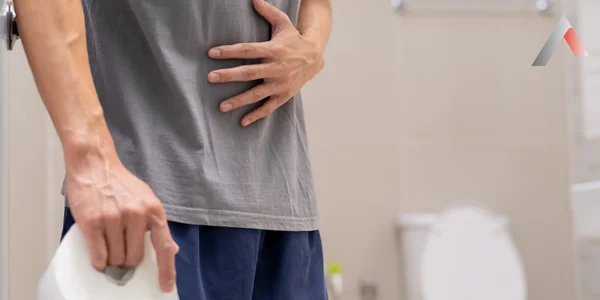
Diarrhea, characterized by frequent and watery stools, is a common digestive problem. It is usually short-term and resolves on its own. However, in some cases, diarrhea can indicate a serious health issue and may require treatment. It is especially important to be cautious with diarrhea in children and the elderly, as it can lead to dehydration.

A Life Health Group has an experienced team of gastroenterology specialists specializing in the diagnosis and treatment of diarrhea and other digestive system problems. With advanced diagnostic methods and treatment options, we are here to determine the cause of diarrhea and provide you with the most appropriate treatment.
__SHAL_5a63e21f_7255e509.webp

What is Diarrhea?

Diarrhea is the condition of having three or more watery or loose stools per day. Diarrhea can be acute or chronic:

  • Acute diarrhea: Sudden onset diarrhea that usually lasts a few days. It is generally caused by viral or bacterial infections.
  • Chronic diarrhea: Diarrhea lasting more than four weeks. It may result from chronic diseases such as irritable bowel syndrome (IBS), Crohn's disease, or ulcerative colitis.

Diarrhea Symptoms

The most common symptom of diarrhea is frequent and watery stools. Other symptoms include:

  • Abdominal pain and cramps
  • Bloating
  • Nausea and vomiting
  • Fever: (In case of infection)
  • Blood or mucus in the stool: (In some cases)
  • Urgent need to use the toilet

Causes of Diarrhea

There can be many causes of diarrhea. The most common causes are:

  • Viral infections: Viruses such as rotavirus, norovirus, and adenovirus can cause diarrhea.
  • Bacterial infections: Bacteria such as Salmonella, Shigella, and E. coli can cause diarrhea.
  • Parasitic infections: Parasites like Giardia and Cryptosporidium can cause diarrhea.
  • Food intolerance: Food intolerances like lactose intolerance (inability to digest sugar in dairy products) and fructose intolerance (inability to digest sugar in fruits) can cause diarrhea.
  • Medications: Some antibiotics, antacids, and chemotherapy drugs can cause diarrhea.
  • Irritable bowel syndrome (IBS): IBS, which causes changes in bowel movements, can lead to diarrhea or constipation.
  • Inflammatory bowel disease (IBD): IBDs such as Crohn’s disease and ulcerative colitis can cause chronic diarrhea.
  • Celiac disease: Celiac disease, a gluten intolerance, can cause diarrhea.
  • Other causes: Stress, anxiety, travel, bowel surgery, and radiation therapy can cause diarrhea.

How Is Diarrhea Diagnosed?

Diarrhea diagnosis is usually made by evaluating the patient's symptoms and medical history. Your doctor may request the following tests to determine the cause of diarrhea:

  • Stool test: Performed to check for bacteria, viruses, or parasites in the stool.
  • Blood tests: Done to check for infection, inflammation, or other conditions.
  • Endoscopy: Uses a thin, flexible tube (endoscope) to view the inner surface of the esophagus, stomach, and small intestine.
  • Colonoscopy: Uses an endoscope to view the inner surface of the large intestine.
  • Biopsy: During endoscopy or colonoscopy, a tissue sample may be taken from the intestine and examined under a microscope.

What Is Good for Diarrhea?

Diarrhea treatment varies depending on the cause and severity. Most acute diarrhea cases improve within a few days with home treatment. Here are some recommendations that help with diarrhea:

What Helps with Diarrhea at Home?

When you have diarrhea, your body loses a lot of fluids and electrolytes. Therefore, the most important thing you can do at home is to increase your fluid intake. Here are other methods that help with diarrhea at home:

Fluid Consumption:

  • Drink plenty of water: Try to drink at least 8-10 glasses of water daily.
  • Electrolyte drinks: Sports drinks or oral rehydration solutions sold in pharmacies help replace lost electrolytes.
  • Herbal teas: Herbal teas such as chamomile, mint, and ginger can help alleviate diarrhea. (Consume without sugar)
  • Soups: Clear soups like chicken broth provide fluid intake and soothe the stomach.

Nutrition:

  • BRAT diet: The BRAT diet consisting of bananas, rice, applesauce, and toast facilitates digestion and can help reduce diarrhea.
  • Boiled potatoes: Rich in potassium and electrolytes.
  • Carrots: With its fiber content, it can help regulate bowel movements.
  • Yogurt: Supports gut flora with its probiotic content. (Prefer plain and unsweetened yogurt)
  • Kefir: Rich in probiotics and electrolytes.
  • Rice porridge: Easy to digest and nutritious.

Avoid:

  • Fatty and spicy foods: May worsen diarrhea.
  • Milk and dairy products: Can increase diarrhea in people with lactose intolerance.
  • Sugary foods: May accelerate bowel movements.
  • Caffeine and alcohol: Can cause dehydration.

Rest:

  • Rest plenty for your body to heal.

Probiotics:

  • Probiotics help regulate bowel movements. They may help balance the beneficial bacteria in the gut. You can consume probiotic sources like yogurt and kefir or take probiotic supplements from the pharmacy.

Medications:

  • Over-the-counter diarrhea medications: Drugs like loperamide can temporarily stop diarrhea. However, it is important to consult a pharmacist before using these and avoid long-term use.
  • Consult your doctor: If your diarrhea is severe, prolonged, or accompanied by symptoms such as fever, abdominal pain, or blood in stool, you should definitely see a doctor.

Medical Treatments That Help Diarrhea

Medication Treatment:

  • Antidiarrheal drugs: Antidiarrheal drugs such as loperamide and bismuth subsalicylate can be used to stop or reduce diarrhea. However, it is recommended to consult a doctor or pharmacist before using these drugs.
  • Drugs that regulate bowel movements: In conditions such as irritable bowel syndrome (IBS), drugs that regulate bowel movements can be used.
  • Antibiotics: Antibiotics can be used in cases of diarrhea caused by bacterial infections.
  • Antiparasitic drugs: Antiparasitic drugs can be used in cases of diarrhea caused by parasitic infections.

Other Treatments:

  • Oral rehydration therapy (ORT): In cases of severe dehydration, fluids can be administered intravenously to replace lost fluids and electrolytes.
  • Hospitalization: In cases of very severe diarrhea, dehydration, or other complications, hospitalization may be required.

Diarrhea Treatment at A Life Health Group

A Life Health Group has an experienced team of gastroenterology specialists specialized in the diagnosis and treatment of diarrhea and other digestive system problems. We are here to determine the cause of diarrhea with advanced diagnostic methods and treatment options and to offer you the most suitable treatment.

Advantages of A Life Health Group in the field of diarrhea include:

  • Experienced and expert staff: Diagnosis and treatment are performed by gastroenterologists specialized and experienced in diarrhea.
  • Advanced diagnostic methods: The cause of diarrhea is determined by advanced diagnostic methods such as stool tests, blood tests, endoscopy, and colonoscopy.
  • Modern treatment methods: Modern treatment options such as medication, probiotics, oral rehydration therapy, and hospitalization when necessary are offered.
  • Patient-centered approach: You are supported throughout your treatment process and all your questions are answered.

You can contact A Life Health Group for your diarrhea complaints to get detailed information and make an appointment.

Frequently Asked Questions About Diarrhea

What Is Good for Watery Diarrhea?

As A Life Health Group, we know that the term "watery diarrhea" may indicate a serious health problem, and we recommend consulting a healthcare professional primarily to determine the underlying cause.

However, here are some methods you can apply at home to prevent fluid loss caused by watery diarrhea and help you feel better:

  • Drink plenty of fluids: Consume large amounts of water, electrolyte drinks (oral rehydration solutions sold in pharmacies), diluted fruit juices, herbal teas, and soups.
  • Choose easily digestible foods: Eat foods that do not irritate the stomach and intestines, such as bananas, rice porridge, boiled potatoes, toast, and crackers.
  • Probiotics: Use probiotic yogurt or supplements that help regulate the intestinal flora.
  • Ginger: Ginger can help relieve nausea. You can drink ginger tea or add fresh ginger to your meals.
  • Mint: Mint can help reduce stomach cramps and bloating. You can drink mint tea or add fresh mint to your meals.
  • Chamomile tea: Chamomile tea has a soothing and relaxing effect on the stomach.
  • Rest: Pay attention to adequate rest so your body can heal.

What Is Good for Children’s Diarrhea?

As A Life Health Group, we want to emphasize that the treatment of diarrhea in children depends on the underlying cause, and consulting a healthcare professional is the most appropriate approach.

However, here are some methods you can apply at home to help your child regain the fluids and electrolytes lost due to diarrhea and to ease their discomfort:

Increase Fluid Intake:

  • Water: The most important thing is to ensure your child drinks plenty of water.
  • Electrolyte Drinks: Oral rehydration solutions sold in pharmacies can help replace lost electrolytes.
  • Brothy Soups: Light, watery soups such as chicken broth increase fluid intake and can be nutritious.
  • Diluted Fruit Juices: Low-sugar fruit juices like apple juice can be diluted with water and given.

Foods Good for Children’s Diarrhea:

Among foods good for children’s diarrhea are:

  • Bananas: Rich in potassium and easy to digest.
  • Rice: Rice porridge or boiled rice is a light food that does not strain the stomach.
  • Apple Puree: Apple puree can help compensate for fluid loss caused by diarrhea.
  • Toast: Dry toast or white bread can provide carbohydrates without increasing nausea.
  • Crackers: Salty crackers may help ease nausea.
  • Boiled Potatoes: Low in fiber and easy to digest.
  • Yogurt: Contains probiotics that help regulate intestinal flora.

Ensure Rest:

  • Make sure your child gets enough rest. Their body needs rest to fight the infection.

Probiotics:

  • Probiotics can help regulate intestinal flora. You can give probiotic-containing foods like yogurt or consult your doctor about probiotic supplements.

Ginger and Mint:

  • Ginger may help reduce nausea and vomiting. You can give ginger tea (if age-appropriate) or ginger candies.
  • Mint may help reduce stomach cramps and bloating. You can give mint tea (if age-appropriate).
What Is Good for Diarrhea in Babies?
  • Frequent breastfeeding or formula feeding is the most important step for baby diarrhea.
  • Oral rehydration solution: Consult your doctor to learn the appropriate solution and dosage for your baby.
  • Probiotics: You can use probiotic supplements suitable for your baby by consulting your doctor.
  • Change diapers frequently and protect the skin by using diaper cream.
What Is Good for Abdominal Pain and Diarrhea?

As A Life Health Group, we know that abdominal pain and diarrhea can have many different causes, and we recommend consulting a healthcare professional to first determine the underlying cause.

However, here are some methods you can apply at home to relieve your discomfort and help your recovery:

  1. Drink Plenty of Fluids:

    Water: Most importantly, prevent dehydration by drinking plenty of water. It is very important to replace the fluids lost due to diarrhea and vomiting.
    Electrolyte Drinks: Oral rehydration solutions sold in pharmacies can help replace lost electrolytes.
    Herbal Teas: Herbal teas such as chamomile, mint, and ginger can help relieve nausea and ease digestion.
    Broths: Light and watery broths like chicken broth increase fluid intake and can be nutritious.

  2. Eat Light and Easily Digestible Foods:

    Banana: Rich in potassium and easy to digest.
    Rice: Rice porridge or boiled rice is a light food that does not strain the stomach.
    Applesauce: Helps compensate for fluid loss caused by diarrhea.
    Toast: Dry toast or white bread provides carbohydrates without increasing nausea.
    Crackers: Salty crackers can help reduce nausea.
    Yogurt: Yogurt containing probiotics can help regulate the intestinal flora.

What Is Good for Diarrhea and Vomiting?

Diarrhea and vomiting can lead to dehydration. Therefore, it is very important to consume plenty of fluids.

  • Water: The best option is water.
  • Oral Rehydration Solutions: These solutions sold in pharmacies help replace lost electrolytes.
  • Herbal Teas: Herbal teas such as chamomile, mint, and ginger can help relieve nausea and ease digestion.
  • Broths: Light and watery broths like chicken broth increase fluid intake and can be nutritious.
  • Diluted Fruit Juices: Low-sugar fruit juices like apple juice can be diluted with water and consumed.

To avoid further strain on your stomach and intestines, prefer light and easily digestible foods:

  • Banana: Rich in potassium and easy to digest.
  • Rice: Rice porridge or boiled rice is a light food that does not strain the stomach.
  • Applesauce: Helps compensate for fluid loss caused by diarrhea.
  • Toast: Dry toast or white bread provides carbohydrates without increasing nausea.
  • Crackers: Salty crackers can help reduce nausea.
  • Boiled Potato: Low in fiber and easy to digest.
  • Yogurt: Contains probiotics and helps regulate intestinal flora.
What Is Good for Persistent Diarrhea?

As A Life Health Group, we want to emphasize that the term "persistent diarrhea" is concerning. Diarrhea usually resolves on its own within a few days. If your diarrhea lasts longer than 2-3 days or is severe, we strongly recommend consulting a healthcare professional.

There can be many underlying causes of persistent diarrhea, and proper diagnosis and treatment by a doctor are very important.

However, here are some things you can do at home for now:

  • Drink plenty of fluids: Your body loses fluids and electrolytes due to diarrhea. To compensate, drink plenty of water, electrolyte drinks (oral rehydration solutions available at pharmacies), diluted fruit juices, and herbal teas.
  • Eat easily digestible foods: Prefer light and easy-to-digest foods such as banana, rice porridge, boiled potatoes, toast, and crackers. Avoid fatty, spicy, and high-fiber foods.
  • Probiotics: You can use probiotic yogurt or supplements that help regulate intestinal flora.
  • Rest: Make sure to rest so your body can heal.

Seek immediate medical attention if:

  • Your diarrhea is bloody
  • You have a high fever
  • You experience severe abdominal pain
  • You show signs of dehydration (dry mouth, dark urine, dizziness, weakness)

Remember: As A Life Health Group, our goal is to provide you with the most accurate and reliable information and the best care. If you have concerns about your health, please consult a healthcare professional.

What Is Good for Diarrhea During Pregnancy?

Diarrhea during pregnancy can occur due to hormonal changes, differences in eating habits, or food intolerances.

Here are some recommendations you can follow if you experience diarrhea during pregnancy:

Drink Plenty of Fluids:

  • Water: It is very important to drink plenty of water to prevent dehydration.
  • Electrolyte Drinks: Oral rehydration solutions sold in pharmacies can help replace lost electrolytes. (Consult your doctor)
  • Fruit Juices: Freshly squeezed fruit juices or diluted fruit juices can also help increase your fluid intake.

Foods Good for Diarrhea During Pregnancy:

  • Banana: Rich in potassium and helps compensate for potassium loss caused by diarrhea.
  • Rice: Rice porridge or boiled rice is a light food that does not burden the stomach.
  • Applesauce: Helps to compensate for fluid loss caused by diarrhea.
  • Toast: Dry toast or white bread provides carbohydrates without increasing nausea.
  • Crackers: Salty crackers can help reduce nausea.
  • Boiled Potatoes: Low in fiber and easy to digest.
  • Yogurt: Contains probiotics and supports intestinal health.
What Is Good for Watery Diarrhea?

To avoid straining your stomach and intestines, prefer light and easily digestible foods such as:

  • Banana: Rich in potassium and helps compensate for potassium loss caused by diarrhea.
  • Rice: Rice porridge or boiled rice is a light food that does not burden the stomach.
  • Applesauce: Helps to compensate for fluid loss caused by diarrhea.
  • Toast: Dry toast or white bread provides carbohydrates without increasing nausea.
  • Crackers: Salty crackers can help reduce nausea.
  • Boiled Potatoes: Low in fiber and easy to digest.
  • Yogurt: Contains probiotics and supports intestinal health.
  • Probiotics can help regulate the intestinal flora and shorten the duration of diarrhea. You can consume probiotic-containing foods like yogurt or consult your doctor about probiotic supplements.
What Is Good for Diarrhea Pain?

As A Life Health Group, we understand that diarrhea pain is a very uncomfortable condition, and we are here to help you. First, we recommend consulting a healthcare professional to determine the cause of diarrhea and the accompanying pain.

Some suggestions that may help relieve diarrhea pain are:

  • Warm Applications: Applying a hot water bottle or warm towel to the abdominal area can relax muscles and help reduce pain.
  • Herbal Teas: Herbal teas such as mint, chamomile, and ginger can soothe the digestive system and reduce diarrhea pain.
  • Probiotics: Probiotics help regulate intestinal flora, shorten the duration of diarrhea, and ease pain. You can consume probiotic foods like yogurt or consult your doctor about probiotic supplements.
  • Drink Plenty of Fluids: It is very important to replace fluids lost due to diarrhea. Drink plenty of water, electrolyte drinks, herbal teas, and soups.
  • Eat Easily Digestible Foods: Prefer foods that do not strain the stomach, such as banana, rice porridge, boiled potatoes, toast, and crackers.
  • Rest: Ensure you get enough rest so your body can fight infection and heal.
  • Pain Relievers: Consult your doctor before using any pain-relief medications.
What Is Good for Diarrhea in Adults?
  • Drink plenty of fluids: Consume water, electrolyte drinks, herbal teas (chamomile, mint, ginger), and broths frequently.
  • Eat easily digestible foods: Choose light foods like bananas, rice porridge, boiled potatoes, toast, and crackers.
  • Probiotics: Use probiotic yogurt or supplements that help regulate intestinal flora.
  • Rest: Ensure adequate rest for your body to recover.

Foods good for diarrhea in adults include:

Banana:

  • Rich in potassium and helps replace potassium lost due to diarrhea.
  • Easily digestible and gentle on the stomach.

Rice:

  • Soothes the intestines and helps relieve diarrhea.
  • Can be consumed as rice porridge or boiled rice.

Apple Puree:

  • Contains pectin, which helps reduce fluid loss caused by diarrhea.
  • Easy to digest and soothes the stomach.

Toast:

  • Dry toast made from white bread provides carbohydrates without increasing nausea.
  • Easy to digest and provides energy.

Crackers:

  • Salted crackers can help relieve nausea.
  • Also help replace sodium lost due to diarrhea.

Boiled Potatoes:

  • Low in fiber and easy to digest.
  • Rich in potassium and other important nutrients.

Yogurt:

  • Contains probiotics that help regulate intestinal flora and shorten diarrhea duration.
  • Easily digestible and provides protein.

Chicken Broth:

  • Increases fluid intake and can be nutritious.
  • Helps replace sodium and other electrolytes.

Boiled Chicken or Turkey:

  • Low-fat protein source and easy to digest.
  • Helps the body regain strength.
Replacing Fluids Lost in Diarrhea

As A Life Health Group, we understand that diarrhea can cause dehydration and that it is very important to replace the lost fluids.

To replace the fluids lost during diarrhea, you can follow these methods:

Drink Plenty of Fluids:

  • Water: The most effective and easily accessible source of fluid. Make sure to drink water regularly throughout the day.
  • Electrolyte Drinks: Oral rehydration solutions available at pharmacies help replace electrolytes (such as sodium and potassium) lost due to diarrhea. These drinks contain essential minerals to maintain the body’s fluid balance.
  • Fruit and Vegetable Juices: Freshly squeezed fruit and vegetable juices provide the fluids and nutrients your body needs with their vitamin and mineral content. However, avoid overly sugary fruit juices.
  • Herbal Teas: Chamomile, mint, and ginger teas help you stay hydrated and can relieve nausea.
  • Broths: Light and watery broths like chicken broth increase fluid intake and provide nutrition.

Avoid Drinks Containing Caffeine and Alcohol:
Caffeine and alcohol have diuretic effects and can cause the body to lose more fluids. Therefore, it is important to avoid these beverages during diarrhea.

Avoid Other Conditions That Increase Fluid Loss:

  • Excessive sweating
  • Vomiting
  • Febrile illnesses

Watch for Signs of Dehydration:
If you experience any of the following symptoms, it may indicate dehydration and you should start drinking plenty of fluids immediately:

  • Dry mouth
  • Dark-colored urine
  • Dizziness
  • Weakness
  • Headache

Remember: As A Life Health Group, we aim to provide you with the most accurate and reliable information and the best care. If you have any health concerns, please consult a healthcare professional.

Prepared by A Life Medical Editorial Board.

Last Updated: 6 Kasım 2025 14:05

Publish Date: 24 Nisan 2024 17:37

What Is Good for Diarrhea?

Quick Application Form

Please fill in the fields below so that we can reach you

Related Departments
Related Doctors
Similar Contents

Do you need help?

We are here for all your questions and problems 24/7.