

PLT is the abbreviation for platelet, also known as thrombocytes. Platelets are small cell fragments produced in the bone marrow that play a crucial role in blood clotting. Elevated PLT in blood refers to a condition in which the number of platelets in the blood is above normal and is called thrombocytosis. This condition can increase the risk of blood clots forming in various parts of the body and may lead to serious health problems.
In this comprehensive guide prepared by A Life Health Group, we will explore elevated PLT in blood (thrombocytosis) in depth. We will provide detailed information on what elevated PLT is, its causes, symptoms, diagnosis methods, treatment options, and how to live with elevated PLT, helping you raise awareness about this condition.
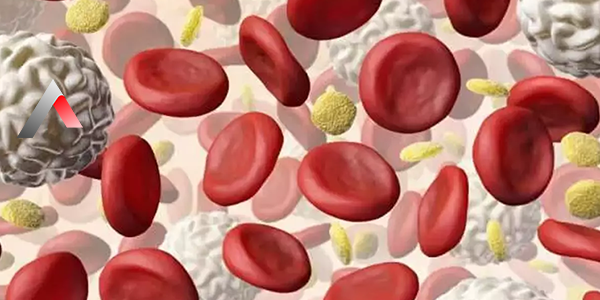
Platelets are small, colorless blood cells produced in the bone marrow that play a vital role in blood clotting. When an injury occurs, platelets travel to the site of injury, clump together, and form a blood clot to stop the bleeding.
In a healthy adult, the normal platelet count ranges from 150,000 to 450,000 per microliter of blood. When this count exceeds 450,000, it is referred to as elevated PLT in blood (thrombocytosis).
People with high PLT levels often show no symptoms. However, when the platelet count becomes very high or blood clots form, the following symptoms may occur:
If you experience any of these symptoms, it is important to consult a doctor.
There are many possible causes of high PLT levels. These causes are divided into two main groups:
Reactive Thrombocytosis (Secondary Thrombocytosis):
Reactive thrombocytosis occurs when the body increases platelet production in response to another condition. These situations include:
Essential Thrombocythemia (Primary Thrombocytosis):
Essential thrombocythemia occurs when platelet production increases uncontrollably due to a disorder in the bone marrow. This is a rare blood condition and its causes are not fully understood. Genetic factors are thought to play a role.
To diagnose high PLT levels, your doctor may request the following tests:
The treatment of high PLT levels depends on the underlying cause and the severity of the condition. Treatment options include:
People with high PLT levels can reduce the risk of complications and improve their quality of life by following these recommendations:
1. Is high PLT dangerous?
High PLT levels can increase the risk of blood clotting and lead to serious health issues such as stroke, heart attack, or pulmonary embolism. However, in most people, high PLT levels are mild and do not require treatment.
2. How is high PLT reduced?
To reduce high PLT levels, the underlying cause must be treated. In cases like essential thrombocythemia, medication or procedures such as platelet apheresis may be used.
3. What complications can high PLT cause?
High PLT levels can lead to complications such as thrombosis (blood clotting), bleeding, and in rare cases, leukemia.
4. Which doctor should be consulted for high PLT?
You should consult a hematologist if you have complaints related to high PLT levels.
Remember, high PLT levels can be a sign of a serious health condition. If you are experiencing symptoms of high PLT, consult a doctor to evaluate the appropriate treatment options.
At A Life Health Group, our expert hematologists and modern diagnostic methods offer you the best healthcare services for the diagnosis and treatment of high PLT levels (thrombocytosis). Contact us for more information and appointments.
Last Updated: 6 Kasım 2025 14:05
Publish Date: 24 Nisan 2024 17:40

Please fill in the fields below so that we can reach you
We are here for all your questions and problems 24/7.


 TR Türkçe
 EN English
 0 (850) 888 54 33


 E-Appointment
 E-Appointment
  E-Result







 0 (850) 888 54 33
 WhatsApp
 E-Appointment