

Vitamins are nutrients essential for the healthy functioning of our body. Vitamins, which cannot be produced in the body and must be obtained from external sources, can cause various disorders when deficient. Therefore, a balanced and healthy diet is very important to ensure adequate intake of vitamins.
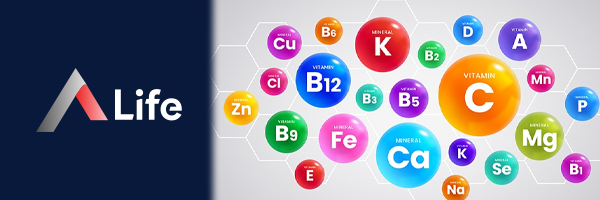
Vitamin A is very important for eye health, the immune system, and skin health. Its deficiency can lead to night blindness, dry and scaly skin, hair loss, and a weakened immune system. Vitamin A is found in foods such as carrots, spinach, fish oil, and eggs.
Vitamin B is important for energy production, the nervous system, and cell regeneration. Its deficiency can cause fatigue, weakness, nervous system disorders, and skin problems. Vitamin B is found in meat, fish, dairy products, and green leafy vegetables.
Vitamin C is important for the immune system, skin health, and iron absorption. Its deficiency can cause a weakened immune system, skin problems, and iron deficiency anemia. Vitamin C is found in foods such as citrus fruits, red peppers, broccoli, and tomatoes.
Vitamin D is important for bone health and the immune system. Its deficiency can lead to osteoporosis, muscle pain, and a weakened immune system. Vitamin D is found in sunlight, fish oil, and dairy products.
Vitamin E is important for cell regeneration and skin health. Its deficiency can cause skin problems, cell damage, and a weakened immune system. Vitamin E is found in almonds, hazelnuts, sunflower oil, and green leafy vegetables.
Vitamin K is important for blood clotting and bone health. Its deficiency can lead to bleeding problems and osteoporosis. Vitamin K is found in green leafy vegetables, broccoli, and cabbage.
Vitamin deficiency can prevent our body from functioning properly and may lead to various health problems. Therefore, knowing the symptoms of vitamin deficiency and maintaining a balanced diet is very important.
Eye Health Problems
Vitamin A deficiency can cause eye health problems such as night blindness and cataracts. Vitamin C deficiency can also lead to eye issues, including bleeding and cataracts.
Skin Problems
Vitamin E deficiency can cause dryness, flaking, and cell damage in the skin. Vitamin B deficiency can result in redness, itching, and acne.
Weakened Immune System
Vitamin deficiency can weaken the immune system and reduce resistance to infections. In particular, vitamin C deficiency can impair immune system function.
Bone Problems
Vitamin D deficiency can lead to osteoporosis and muscle pain. Vitamin K deficiency can interfere with blood clotting and negatively affect bone health.
Creating a balanced and healthy diet is very important to prevent vitamin deficiency. Additionally, taking supplements recommended by your doctor can help protect against vitamin deficiency.
Balanced Diet
A balanced diet ensures that the body receives the necessary vitamins. Therefore, it is important to include fruits, vegetables, protein, and healthy fats in your daily nutrition plan.
Sunlight
Vitamin D is produced from sunlight. Therefore, exposure to sunlight can help prevent vitamin D deficiency. However, you should not forget to use sunscreen while being exposed to sunlight.
Supplements
Supplements recommended by your doctor can help prevent vitamin deficiency. Especially during pregnancy, breastfeeding, or if you have a chronic illness, taking the supplements recommended by your doctor is very important.
Last Updated: 6 Kasım 2025 14:05
Publish Date: 24 Nisan 2024 17:54

Please fill in the fields below so that we can reach you
We are here for all your questions and problems 24/7.


 TR Türkçe
 EN English
 0 (850) 888 54 33


 E-Appointment
 E-Appointment
  E-Result








 0 (850) 888 54 33
 WhatsApp
 E-Appointment