

Flexible Ureteroscopy

A Flexible and Effective Solution for Your Kidney Stones

Kidney stones are a common health problem that can cause severe pain and discomfort. Fortunately, rapid advancements in medical technology provide patients with minimally invasive and effective treatment options. Flexible ureteroscopy is one such treatment, offering a safe and efficient way to remove kidney stones and address related issues.

At A Life Health Group, we are committed to ensuring that when you entrust your health to us, you receive the highest level of care, expertise, and comfort. In this comprehensive guide, we will cover everything you need to know about flexible ureteroscopy, its advantages, procedures, and more.

What is Flexible Ureteroscopy?

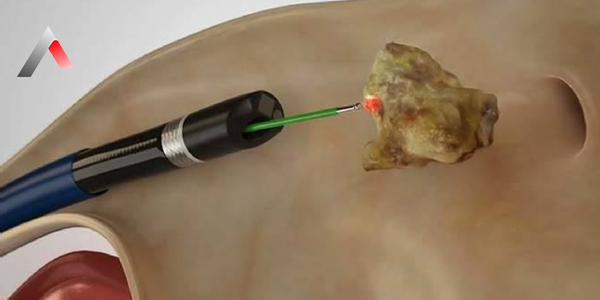
Flexible ureteroscopy is a minimally invasive surgical procedure used to remove stones in the urinary tract or treat other related problems. In this procedure, a thin, telescope-like device called a flexible ureteroscope, equipped with a camera and light source at its tip, is used. The ureteroscope is gently inserted through the urethra into the bladder and then into the ureter, allowing your doctor to clearly view the kidney, renal pelvis, and urinary tract.
What_is_Flexible_Ureteroscopy_30e3146e.webp

Why is Flexible Ureteroscopy Performed?

Flexible ureteroscopy can be used to diagnose and treat various urological conditions, including:

  • Kidney Stones: Flexible ureteroscopy is highly effective for removing a range of kidney stones, particularly: 1) stones larger than 2 cm, 2) stones located in narrow or hard-to-reach areas of the kidney, and 3) residual stones remaining after previous treatments.
  • Ureter Stones: This procedure is also highly successful in treating stones lodged in the urinary tract.
  • Urinary Tract Strictures: Flexible ureteroscopy can be used to dilate strictures in the urinary tract and improve urine flow.
  • Urinary Tract Tumors: The procedure can be used for the diagnosis and treatment of certain urinary tract tumors.
  • Hematuria (Blood in Urine): Flexible ureteroscopy helps determine the cause of blood in the urine and provides a treatment option.

Benefits of Flexible Ureteroscopy

Flexible ureteroscopy is a minimally invasive procedure that offers several advantages over open surgery, including:

  • Minimal Invasive: Flexible ureteroscopy requires no incisions, resulting in less pain, shorter recovery time, and a lower risk of complications.
  • Non-Surgical: This is an outpatient procedure, meaning patients can usually go home the same day.
  • Less Pain: Patients experience significantly less pain and discomfort compared to open surgery.
  • Rapid Recovery: Most patients can return to normal activities within a few days after the procedure.
  • High Success Rate: Flexible ureteroscopy has a high success rate in treating kidney and ureter stones.
  • Enhanced Visualization: The camera at the tip of the flexible ureteroscope provides wide and high-resolution images of the urinary tract and surrounding tissues, allowing for more precise and accurate treatment.
  • Versatility: The flexible ureteroscope can be maneuvered to reach narrow and curved areas of the kidney, making it suitable for stones of various sizes and locations.

How to Prepare for Flexible Ureteroscopy

Your doctor will provide personalized instructions for preparing for flexible ureteroscopy. In general, you may need to follow these steps:

  • Medical History: Inform your doctor about all medications you take (including over-the-counter drugs, herbal supplements, and vitamins) and any known allergies.
  • Medication Adjustments: Your doctor may ask you to stop or adjust certain medications before the procedure, especially if you take aspirin or other blood thinners.
  • Fasting: You will likely need to refrain from eating and drinking for a specific period before the procedure. Your doctor will give you detailed fasting instructions.
  • Bowel Preparation: In some cases, your doctor may recommend using a laxative or enema to clear your bowels before the procedure.
  • Transportation Arrangements: Flexible ureteroscopy is performed under general anesthesia, so you will need someone to drive you home afterward.
  • Clothing and Personal Items: Wear comfortable clothes, as you will change into a surgical gown. Leave jewelry and other valuables at home.

Flexible Ureteroscopy Procedure

Flexible ureteroscopy generally involves the following steps:

  • Anesthesia: You will be given general anesthesia to ensure comfort during the procedure.
  • Insertion of the Ureteroscope: After anesthesia, your doctor will carefully insert the flexible ureteroscope through the urethra into the bladder and then into the ureter.
  • Examination of the Urinary Tract: The camera at the tip of the ureteroscope allows your doctor to visualize the urinary tract on a screen, accurately identifying the presence and location of stones or other abnormalities.
  • Stone Fragmentation (If Needed): If stones are found, your doctor may use various techniques to break them into smaller pieces. These techniques may include lasers, ultrasonic energy, or mechanical devices (lithotripters).
  • Removal of Stone Fragments: After fragmentation, the stone pieces are removed using small forceps or irrigation solutions.
  • Stent Placement (If Needed): In some cases, a stent may be placed to keep the urinary tract open and facilitate urine flow during healing. The stent is a small tube that is removed at a later date.

Recovery After Flexible Ureteroscopy

Flexible ureteroscopy is usually an outpatient procedure, meaning patients can typically go home the same day. However, in some cases, an overnight hospital stay may be required.

Important recovery points:

  • Pain and Discomfort: Mild pain, discomfort, or burning during urination for a few days is normal. Your doctor will prescribe pain medication as needed.
  • Urination: You may urinate more frequently or notice blood in your urine. This is common and usually resolves on its own. Report worsening symptoms to your doctor.
  • Fluid Intake: Drink plenty of fluids, especially water, to speed recovery and reduce the risk of urinary tract infection.
  • Activity: Follow your doctor’s instructions regarding rest and avoid heavy lifting or strenuous activities for several days.
  • Follow-Up Appointment: A follow-up visit will be scheduled to monitor recovery, address concerns, and remove a stent if placed.

Risks of Flexible Ureteroscopy

While flexible ureteroscopy is generally safe, like any surgical procedure, it carries some risks:

  • Bleeding: Usually minimal, but significant bleeding requiring transfusion is possible.
  • Infection: Antibiotics may be prescribed to prevent infection.
  • Urinary Tract Injury: Rarely, the ureteroscope can damage the ureter, bladder, or kidney, potentially requiring additional surgery.
  • Stent Complications: If a stent is placed, it may become blocked, move, or cause discomfort.
  • Ureteral Stricture: Scar tissue may form, causing narrowing or blockage.
  • Anesthesia Risks: Rare complications may arise from general anesthesia.

Contact your doctor immediately if you experience:

  • Severe or worsening pain
  • High fever or chills
  • Increased bleeding in urine
  • Difficulty urinating
  • Nausea or vomiting
  • Redness, swelling, or pus at the surgical site

Alternatives to Flexible Ureteroscopy

Flexible ureteroscopy is often preferred, but other treatment options may be suitable depending on your condition:

  • Extracorporeal Shock Wave Lithotripsy (ESWL): Non-invasive procedure using shock waves to break kidney stones from outside the body.
  • Percutaneous Nephrolithotomy (PNL): Minimally invasive surgery where a small incision is made in the back to remove larger stones using a nephroscope.
  • Ureterorenoscopy (URS): Similar to flexible ureteroscopy but uses a rigid ureteroscope, more suitable for stones lower in the urinary tract.
  • Medical Management: For small stones or certain conditions, pain management, anti-nausea medication, and increased fluid intake may be recommended.
Why Choose Flexible Ureteroscopy?

Flexible ureteroscopy is a safe, effective, and minimally invasive option for treating kidney stones and other urological conditions. It offers numerous advantages, including minimal pain, rapid recovery, and high success rates.

At A Life Health Group, we are committed to providing the highest quality urological care. Contact us today to learn more about flexible ureteroscopy or to schedule a consultation.

Prepared by A Life Medical Editorial Board.

Last Updated: 6 Kasım 2025 14:05

Publish Date: 23 Eylül 2024 23:39

Flexible Ureteroscopy

Quick Application Form

Please fill in the fields below so that we can reach you

Related Departments
Related Doctors
Mustafa Kemal Atikeler
Prof. Dr. Mustafa Kemal Atikeler

Urology

Similar Contents

Do you need help?

We are here for all your questions and problems 24/7.