
Microwave Ablation

A New Generation Solution for Excessive Bleeding Problems

At A Life Health Group, we offer the most up-to-date treatment methods in the field of women's health. Excessive menstrual bleeding, which significantly affects women's quality of life, is a major problem that limits the daily lives of many women. With the development of modern medical technologies in recent years, microwave ablation has emerged as a minimally invasive, safe, and effective treatment option for women suffering from excessive bleeding. In this comprehensive guide, you will find detailed information about what microwave ablation is, who it is suitable for, its advantages, procedural details, recovery process, possible risks, alternative treatment methods, and frequently asked questions.

What Is Microwave Ablation?

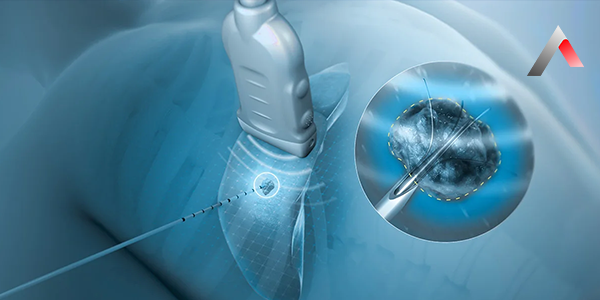
Microwave ablation is a minimally invasive method that enables the controlled destruction of the endometrial tissue lining the inside of the uterus. During the procedure, a thin device is inserted through the cervix; this device contains both a camera and an electrode that emits microwave energy. The electrode delivers energy to the uterine cavity, destroying the endometrial tissue and helping to stop excessive bleeding.

This method is especially preferred in cases where drug therapy or other minimally invasive procedures fail to achieve sufficient results. As an alternative to hysterectomy, treatment can be performed while preserving the uterus, allowing women to return to their normal lives quickly.

Microwave ablation is considered one of the most effective minimally invasive procedures in modern gynecology in recent years. The destruction of the uterine lining helps control excessive bleeding and significantly improves patients’ quality of life.

What_Is_Microwave_Ablation_f9c42612.webp

Who Is Suitable for Microwave Ablation?

Microwave ablation is particularly suitable for the following conditions:

  • Excessive menstrual bleeding: Menstrual bleeding that is heavier and lasts longer than normal.
  • Anemia related to menstrual bleeding: The development of anemia due to excessive blood loss.
  • Excessive bleeding unresponsive to other treatments: Persistent heavy bleeding that does not respond to drug therapy or other methods.
  • Alternative to hysterectomy: A treatment option that serves as an alternative to hysterectomy, a surgery involving the removal of the entire uterus.

This procedure is especially appropriate for women in middle age or the perimenopausal period. However, suitability is determined individually through a detailed gynecological examination and necessary tests. Microwave ablation targets the uterine lining (endometrium) without damaging the surrounding tissues, making it a safe treatment option.

Advantages of Microwave Ablation:

Microwave ablation offers several advantages over other surgical methods:

  • Minimally invasive: No incisions are made in the abdominal area, resulting in a shorter recovery period.
  • Rapid recovery: Usually requires only a short hospital stay and allows for quick recovery.
  • Less pain: Causes less pain and bleeding compared to open surgery.
  • Safe: A safe procedure when performed by an experienced surgeon.
  • Long-term solution: Provides a lasting resolution and reduces the risk of bleeding recurrence.
  • Alternative to hysterectomy: Offers an effective solution without the need for complete uterine removal.
  • Minimal work loss: Quick recovery allows for a rapid return to daily activities.

These advantages make microwave ablation an attractive and safe option for women seeking an effective solution to excessive menstrual bleeding.

How Is Microwave Ablation Performed?

The microwave ablation procedure is carried out according to a specific protocol:

  • Anesthesia: General or spinal anesthesia is administered to ensure you feel no discomfort during the procedure.
  • Device insertion: A thin device containing a camera and a microwave-emitting electrode is inserted through the cervix.
  • Electrode application: The electrode is positioned within the uterine cavity and applied to the endometrium.
  • Microwave energy delivery: The electrode delivers microwave energy to the endometrium, leading to controlled destruction of the uterine lining.
  • Device removal: Once the process is complete, the device is removed from the uterus.

The entire procedure typically lasts between 20 and 40 minutes, and most patients can be discharged the same day. Since the method is minimally invasive, the risk of complications is low, and patients can return to their normal activities within a short period.

Recovery Process After Microwave Ablation:

Recovery after microwave ablation is usually quick and comfortable for most patients:

  • Hospital stay: You may need to stay in the hospital for the same day or overnight.
  • Pain management: Postoperative pain will be controlled with prescribed pain medications.
  • Rest: It is important to rest after surgery and avoid strenuous physical activities.
  • Recovery period: The recovery period generally lasts about 1–2 weeks.
  • Sexual activity: Sexual intercourse should be avoided until your doctor gives approval.

Following your doctor’s recommendations during the recovery period reduces the risk of complications and improves the overall success of the treatment.

Risks After Microwave Ablation:

As with any surgical procedure, microwave ablation also carries certain risks:

  • Bleeding: Mild bleeding may occur after surgery.
  • Infection: There is a risk of infection after any surgical intervention.
  • Uterine rupture: This is a rare complication that may occur during the procedure.
  • Repeat procedure: In some cases, microwave ablation may need to be repeated.

When performed by experienced surgeons, these risks remain minimal, and complications are rarely encountered.

Alternative Treatment Methods

Other treatment options for excessive menstrual bleeding besides microwave ablation include:

  • Medication therapy: Hormonal or non-hormonal medications to control bleeding.
  • Endometrial curettage: Scraping of the uterine lining.
  • Hysterectomy: Complete removal of the uterus.

Microwave ablation stands out as a minimally invasive, uterus-preserving, and rapidly recovering treatment option.

Pre-Treatment Preparation

  • Evaluation of bleeding pattern and hormone levels.
  • Pregnancy test.
  • Explanation of the procedure and obtaining informed consent.
  • Required blood tests and ultrasound examination.
Post-Treatment Recommendations
  • Rest for the first few days and avoid strenuous physical activity.
  • Use pain relievers for mild discomfort.
  • Attend follow-up appointments at the time recommended by your doctor.
  • Support blood levels with iron and vitamin supplements if needed.
  • Maintain a healthy lifestyle and balanced diet to accelerate recovery.
Microwave Ablation at A Life Health Group:
  • Experienced medical team: A Life Health Group has a team of physicians specialized and experienced in women’s health.
  • State-of-the-art technology: A Life Health Group performs the microwave ablation procedure using the latest technology.
  • Safe and comfortable environment: A Life Health Group ensures that patients receive treatment in a safe and comfortable setting.
  • Personalized treatment: A Life Health Group prepares customized treatment plans for each patient.
  • Affordable prices: A Life Health Group offers services at reasonable prices.

Contact us to learn more about microwave ablation!

At A Life Health Group, we are here to determine the best treatment option for you and to inform you about the microwave ablation process. We are waiting for you!

FAQ (Frequently Asked Questions)

1. Is microwave ablation painful?
There is minimal pain, which can be managed with painkillers.

2. Is it possible to get pregnant?
Pregnancy is not recommended after microwave ablation.

3. How long does the procedure take?
It takes approximately 20–40 minutes.

4. How soon does the bleeding stop?
In most patients, it returns to normal within a few weeks.

5. Can the procedure be repeated?
Yes, it can be repeated if necessary.

6. How long is the hospital stay?
Usually, the same day or one night is sufficient.

7. Is there an age limit?
It is more common in premenopausal women, but it can be performed at any age.

8. What is the difference between hysterectomy and microwave ablation?
A hysterectomy involves complete removal of the uterus, while microwave ablation is a minimally invasive procedure.

9. When can normal activities be resumed after microwave ablation?
Most patients return to normal activities within 1–2 weeks.

10. Can bleeding recur after the procedure?
In rare cases, bleeding may recur and the procedure may need to be repeated.

Prepared by A Life Medical Editorial Board.

Last Updated: 6 Kasım 2025 14:05

Publish Date: 29 Eylül 2024 12:50

Microwave Ablation

Quick Application Form

Please fill in the fields below so that we can reach you

Related Departments
Related Doctors
Similar Contents

Do you need help?

We are here for all your questions and problems 24/7.