

Commonly known as bowlegs, it is an orthopedic condition where the knees bend outward, causing the legs to form an "O" shape. This deformity is especially common in childhood but can also occur in adults. Genu varum causes aesthetic concerns and may lead to joint pain, walking difficulties, and knee problems in the long term.
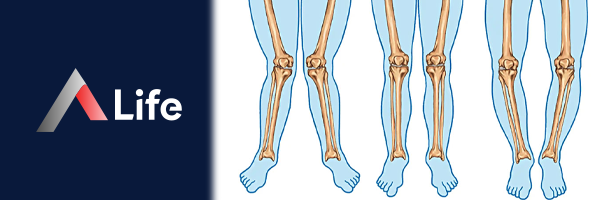
The most common cause of genu varum is a normal growth process in childhood called “varus deformity.” This condition is the natural inward bending of children’s legs after birth. This bending tends to correct itself as the child grows and usually disappears completely by age 2-3. However, in some cases, this bending continues and is called genu varum.
What causes bowed legs? Other causes include obesity, bone diseases, muscle weakness, and poor nutrition. Additionally, some congenital conditions like congenital hip dysplasia can also cause genu varum.
There are various factors that can contribute to the development of genu varum:
The most noticeable symptom of genu varum is the inward bending of the knees. This condition can be noticeable while walking and may affect the child's balance. Additionally, symptoms in children can include knee pain, fatigue, deformity, and leg length discrepancy.
In adults, symptoms of genu varum may include knee pain, difficulty walking, and instability. Problems such as wear and tear in the knees can also occur.
Genu varum presents with some distinct features:
The diagnosis of genu varum is generally made through physical examination and radiological imaging (X-ray). The orthopedic specialist measures the degree of the leg curvature and may perform various tests to determine the cause of the deformity.
The treatment of genu varum (bowleg deformity) varies according to the degree of genu varum, the person's age, the severity of the curvature, and the underlying cause.
How is bowleg corrected in children? Physiological genu varum (due to normal development) usually corrects itself with growth. If necessary, physical therapy, corrective shoes, or orthotics may be recommended.
In adults, the condition usually requires surgery. The curvature is corrected with osteotomy (bone correction surgery). After surgery, physical therapy and muscle-strengthening exercises are applied.
While observation and exercises are sufficient for mild cases, surgical treatment may be needed in advanced cases.
The most important thing you can do to prevent genu varum is to ensure your child maintains a healthy lifestyle. Regular exercise, balanced nutrition, and avoiding obesity can help prevent genu varum. Additionally, it is important for your child to have regular doctor check-ups. Early diagnosis and treatment can prevent the progression of genu varum.
In some cases, preventing genu varum is possible:
Genu varum means shortened muscles and bowlegs. In this case, regular exercise is important. Exercise strengthens the leg muscles.
It can also help slow the progression of the deformity. Exercises are especially effective during childhood or in mild cases. However, it is important that these exercises are done under the supervision of an orthopedic specialist or physiotherapist.
This exercise helps with knee alignment by strengthening the outer thigh muscles.
Benefits: Strengthens the hip and outer thigh muscles, improves leg balance.
This exercise strengthens the hip muscles and muscles around the knee, supporting the correction of genu varum.
Benefits: Strengthens the hip muscles and ligaments around the knee.
This exercise helps correct leg alignment by strengthening the thigh muscles.
Benefits: Increases knee stability, strengthens leg muscles.
An effective exercise used to strengthen the inner sides of the knees.
Benefits: Strengthens inner thigh muscles, supporting leg alignment.
An exercise performed to improve balance and knee stability.
Benefits: Strengthens leg muscles evenly and improves balance.
Hip stretches reduce tightness in leg muscles and increase mobility.
Benefits: Stretches hip muscles and reduces load on knee joints.
While mild cases can be treated with physiotherapy and exercises, advanced deformities may require surgical intervention.
Genu Varum Surgery
Surgical methods used in genu varum treatment and cosmetic correction include:
Post-Surgery:
Genu valgum is commonly known as the X-leg deformity. When the ankles are together, the knees touch each other and there is no gap between them.
Causes:
Symptoms:
| Feature |
|
|
||
| Common Name | Bow Legs (O Legs) | Knock Knees (X Legs) | ||
| Appearance | Knees apart, ankles together | Knees together, ankles apart | ||
| Causes |
|
|
||
| Symptoms | Leg curvature, pain, difficulty walking | Unsteady gait, knee pain | ||
| Treatment | Exercise, physical therapy, surgery | Exercise, weight control, surgery |
A Life Health Group offers reliable and modern solutions in genu varum treatment with orthopedic and traumatology specialists. What is the cost of genu varum surgery?
You can contact A Life Health Group specialists to protect your leg health and get detailed information.
Last Updated: 6 Kasım 2025 14:05
Publish Date: 24 Nisan 2024 17:35

Please fill in the fields below so that we can reach you
We are here for all your questions and problems 24/7.


 TR Türkçe
 EN English
 0 (850) 888 54 33


 E-Appointment
 E-Appointment
  E-Result



 0 (850) 888 54 33
 WhatsApp
 E-Appointment