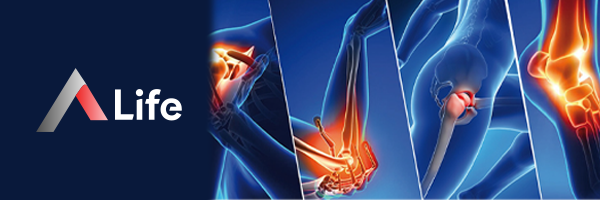
Why Should One Consult a Traumatology Specialist?

Why Should One Consult a Traumatology Specialist?

Traumatology is the branch of medicine that diagnoses and treats body injuries resulting from accidents, impacts, sports injuries, falls, or other traumatic events. Working closely with orthopedics, this specialty deals with conditions affecting bones, joints, muscles, tendons, and ligaments. The traumatology department plays a critical role in correcting serious injuries that impact quality of life. So, in which situations should one consult a traumatology specialist? In this article, we will examine the importance of the traumatology department and the conditions under which one should seek its services in detail.


Why_Should_One_Consult_a_Traumatology_Specialist._37baf3f6.webp

What is Traumatology and Which Conditions Does It Address?

Traumatology is a multidisciplinary branch of medicine that focuses on the treatment of acute injuries. Damage caused by traumatic events can lead to functional loss and serious health problems. This department deals with the following conditions:

  • Bone Fractures and Breaks: Injuries to bones resulting from traffic accidents, falls, or impacts.
  • Dislocations and Sprains: Traumatic effects occurring in joint areas.
  • Soft Tissue Injuries: Damage affecting muscles, tendons, and ligaments.
  • Sports Injuries: Severe sprains, tears, or fractures occurring in active athletes.
  • Spinal and Pelvic Trauma: Serious injuries in the back, spine, and hip regions.
  • Open Wounds and Infected Injuries: Wounds with a risk of infection following trauma.

The scope of traumatology is not limited to physical injuries. It also addresses psychological issues and functional impairments that may arise after trauma.

Conditions Requiring a Traumatology Consultation

The need to consult traumatology depends on the type and severity of the injury. However, it is recommended to see a specialist when the following symptoms and conditions occur:

Emergency Situations

The traumatology department can respond quickly and effectively in emergencies. For example, in traffic accidents, falls, burns, and other urgent situations, traumatology specialists can intervene promptly to reduce the severity of injuries and accelerate the treatment process. Therefore, it is important to consult the traumatology department in emergency situations.

Sports Injuries

Sports injuries are a very common occurrence, especially for professional athletes. These injuries usually affect muscles, ligaments, and bones and can lead to serious consequences. The traumatology department specializes in the treatment of sports injuries and can help athletes recover quickly. Therefore, it is important to consult the traumatology department in cases of sports injuries.

Fractures and Dislocations

Fractures and dislocations are among the most common injuries that occur in the body. These conditions are usually treated in the traumatology department. If not treated properly, fractures and dislocations can lead to serious consequences and long-term disabilities. Therefore, it is important to consult the traumatology department in cases of fractures or dislocations.

Muscle and Ligament Injuries

Muscle and ligament injuries are common in daily life. These injuries usually present with symptoms such as pain, swelling, and restricted movement. The traumatology department specializes in the treatment of muscle and ligament injuries and can accelerate the healing process of these injuries, which, if not treated properly, may lead to permanent damage.

Severe and Persistent Pain

Severe pain experienced after an injury is generally a condition that should be taken seriously. Neglecting such pain can lead to more significant problems in the future.

Limited Mobility

Inability to move joints or muscles may indicate serious issues such as fractures, dislocations, or muscle tears. Limited mobility falls within the scope of the traumatology department.

Visible Deformities

If you notice abnormal shapes or misalignments on your body after a fall or impact, this may indicate a bone fracture or joint displacement.

Swelling and Bruising

Sudden swelling and discoloration can indicate tissue damage or internal bleeding, signaling a potentially serious problem.

Wound Infections

Infections in wounds following trauma can manifest with swelling, redness, and pus. In such cases, urgent treatment is required.

Ways to Prevent Traumatic Injuries

Preventing traumatic injuries requires attention to both individual and environmental factors.

  • Use Protective Equipment: Wearing protective gear during sports or hazardous activities can reduce the risk of injury.
  • Prevent Falls: For elderly individuals and children, organize potentially dangerous areas at home to minimize fall risks.
  • Follow Traffic Rules: Be cautious while driving and always use a seatbelt.
  • Strengthen Muscles: Regular exercise can increase the durability of muscles and joints, reducing the risk of injuries.
Ways_to_Prevent_Traumatic_Injuries_1721f3bf.webp
Treatment Methods in Traumatology

Treatments in traumatology vary depending on the type and severity of the injury. Treatment approaches are generally classified as follows:

  • Non-Surgical Treatments: For minor injuries, non-surgical methods such as physical therapy, casts, or splints are preferred.
  • Surgical Intervention: Used in more severe cases, including fracture fixation, tissue repair, or prosthetic applications.
  • Physical Therapy and Rehabilitation: Treatment programs aimed at restoring lost functions after an injury.
  • Pain Management: Applied to alleviate chronic pain resulting from trauma.
Why Traumatology Surgery Is Necessary

Traumatology surgery is performed to repair physical damage caused by trauma, improve the patient’s quality of life, and prevent more serious complications. Surgery is particularly indicated in the following cases:

  • Fractures: Bone fractures, especially comminuted or open fractures, may require surgical intervention.
  • Joint Dislocations: Surgery may be needed to realign and stabilize dislocated joints.
  • Muscle and Tendon Injuries: Tendon ruptures or muscle tears, commonly seen in athletes, may require surgical repair.
  • Spinal Trauma: Spinal fractures or spinal cord injuries may necessitate surgery.
  • Severe Soft Tissue Injuries: Deep cuts, crush injuries, or significant soft tissue damage often require surgical intervention.
Types of Traumatology Surgery

Traumatology surgeries vary depending on the type of trauma and the severity of the injury. Common types of traumatology surgeries include:

  • Open Reduction and Internal Fixation (ORIF): Used for complex fractures to realign bones and stabilize them with plates, screws, or rods.
  • External Fixation: Temporary stabilization of severe fractures using external devices, often applied in open or multiple fractures.
  • Arthroscopic Surgery: Minimally invasive procedure for joint injuries, such as meniscus tears or ligament repairs.
  • Tendon and Ligament Repair: Surgical repair of torn tendons or ligaments to restore function.
  • Spinal Surgery: Procedures for spinal fractures, vertebral stabilization, or spinal cord decompression.
  • Soft Tissue Reconstruction: Surgery to repair extensive muscle, skin, or connective tissue damage.

These procedures are tailored to the patient’s specific injury to ensure optimal recovery and restore function.

Fracture Repair (Osteosynthesis)

Fixation materials such as plates, screws, nails, or wires are used to stabilize broken bones. This method ensures proper bone healing and helps restore mobility.

Arthroscopic Surgery

Injuries within the joints are treated using minimally invasive methods. This procedure is commonly performed on the knee, shoulder, and hip.

Tendon and Ligament Repair

Surgically reattaching or repairing torn tendons or ligaments is performed. This type of surgery is especially common among athletes.

Spinal Surgery

In cases of spinal fractures or dislocations, stabilization surgeries are performed on the spine. These operations aim to preserve patients' mobility and nerve functions.

Amputation and Reconstructive Surgery

In cases of severe trauma resulting in limb loss, procedures are performed to reconstruct the limb or fit a prosthesis.

Traumatology Surgery Process
  1. Pre-Diagnosis and Preparation Phase
    Before the surgery, specialists assess the severity of the injury using detailed physical examination, X-ray, MRI, CT, and other imaging methods. The surgical planning is based on these analyses.

  2. Surgical Intervention
    Surgical intervention is performed under local or general anesthesia depending on the type of the patient’s trauma. The duration of the surgery varies according to the scope and area of the intervention.

  3. Postoperative Period
    In the postoperative period, rehabilitation and physical therapy are highly important. Regular exercises and doctor follow-ups are necessary for bones, muscles, and joints to regain their previous function.

Postoperative Recovery Process in Traumatology Surgery

The recovery time after traumatology surgery varies depending on the type of injury, the scope of the surgery, and the patient’s age. However, the following steps are generally followed:

  • Physical Therapy and Rehabilitation: Special exercises are applied to regain mobility.
  • Pain Management: Postoperative pain is controlled with pain-relieving medications.
  • Routine Check-ups: The condition of the surgical area is regularly monitored by the doctor.
Postoperative Care

Postoperative care is an important part of the traumatology department. Postoperative care is crucial to accelerate the healing of surgical wounds and prevent complications. The traumatology department specializes in postoperative care and can provide all the necessary treatments that patients need during the postoperative period.

Proper Treatment in Traumatology with A Life Health Group

Traumatic injuries can be controlled with early intervention and proper treatment. As A Life Health Group, our expert traumatology team provides comprehensive services to treat your injuries in the best possible way.

If you are experiencing a trauma-related issue or want to obtain information on this matter, you can contact us. Taking the right step for your health will help you maintain your quality of life.

Prepared by A Life Medical Editorial Board.

Last Updated: 6 Kasım 2025 14:05

Publish Date: 24 Nisan 2024 17:47

Why Should One Consult a Traumatology Specialist?

Quick Application Form

Please fill in the fields below so that we can reach you

Related Departments
Related Doctors
Similar Contents

Do you need help?

We are here for all your questions and problems 24/7.