


 TR Türkçe
 EN English
 0 (850) 888 54 33


 E-Appointment
 E-Appointment
  E-Result
If left untreated, hypomania can lead to more complex psychological issues and more severe mood disorders, even progressing to full mania.


Hypomania is a mood condition characterized by an individual having higher-than-normal energy levels, experiencing sudden mood changes, and exhibiting noticeable differences in behavior. Although it is not as severe as mania, it can still affect a person’s daily life.
Hypomania is generally seen as a symptom of bipolar disorder, but in some cases, it can also arise due to factors such as stress, trauma, irregular sleep patterns, or substance use.
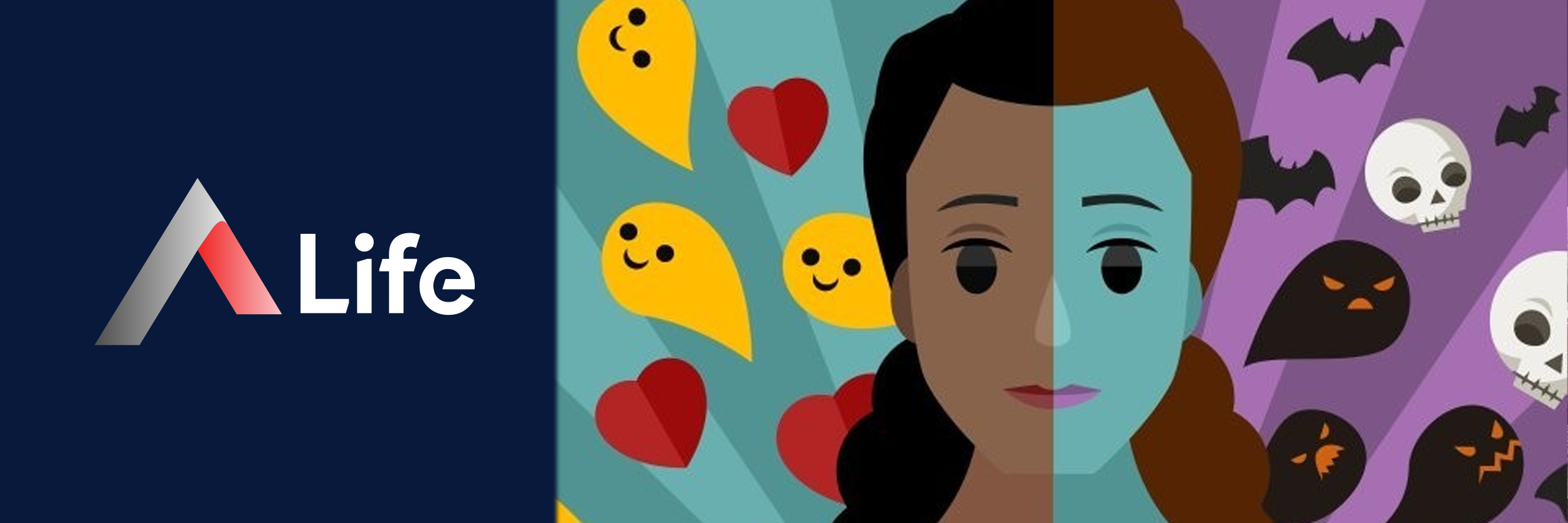
The treatment of hypomania can vary depending on the severity of the condition. Psychotherapy is often used to manage hypomanic episodes. When necessary, mood stabilizers, antidepressants, or anxiolytic medications may be prescribed under a doctor's supervision.
Lifestyle changes can also support treatment:
Hypomania usually does not require hospitalization and may not severely impact work, social, or academic life. However, if left uncontrolled, it can progress to manic or depressive episodes, making early diagnosis and treatment important.
Hypomania can arise due to various factors such as chemical imbalances in the brain, genetic predisposition, stress, trauma, and side effects of certain medications. While it can be part of bipolar disorder, it may also develop independently in some individuals.
If left undiagnosed and untreated, hypomania can progress to manic or depressive episodes. Therefore, it is important to consult a specialist when symptoms are noticed.
Hypomania is characterized by symptoms such as having higher than normal energy levels, feeling excessively happy or excited, experiencing heightened self-confidence, and a need for attention. People experiencing hypomania often may not be aware of their condition and might feel that they are "better than usual."
The symptoms of hypomania resemble those of mania and bipolar disorder but are generally milder in intensity.
Noticing hypomania symptoms and consulting a specialist is important for a possible bipolar disorder diagnosis.
Individuals experiencing hypomania exhibit a noticeable increase in both physical and mental energy. They may be overly active throughout the day, feel the need to constantly engage in activities, and feel alert despite very little sleep.
High energy can accelerate thought processes, speed up speech, and cause attention to shift rapidly from one topic to another. However, this can affect daily life and interactions with others. Excessive activity and excitement may be noticeable to colleagues, family members, or in social settings.
For some, this energy surge can enhance productivity, but if uncontrolled, it may lead to risky or harmful behaviors. Therefore, it is important to seek professional support when hypomania symptoms are observed.
Individuals experiencing hypomania may appear noticeably happy, enthusiastic, and joyful. This occurs as a result of mood fluctuations and can often impact daily life.
This state of excessive happiness may manifest as:
✔ Being more talkative and cheerful in social settings,
✔ Feeling overly confident and invincible,
✔ Exhibiting unrealistic optimism and setting exaggerated goals,
✔ Trying excessively to entertain or impress others.
Although this may seem positive, if it becomes uncontrolled, it can lead to risky or impulsive actions. During hypomanic periods, the individual may ignore warnings from others and unintentionally make harmful decisions.
Individuals experiencing hypomania show a noticeable increase in both the speed and amount of their speech. Regardless of the topic, they feel the need to talk more in any setting, which can surprise or exhaust those around them.
✔ Speaking continuously and rapidly
✔ Making sudden transitions between topics
✔ Not allowing others to speak
✔ Being overly active in social settings
✔ Speaking at length even about topics they previously showed little interest in
This increase in speech is linked to the acceleration of their thoughts. Due to multiple ideas flowing simultaneously in their mind, they may jump from topic to topic and struggle to follow a logical sequence.
A confidence surge, a symptom of hypomania, manifests as an individual feeling more capable, powerful, or superior than they actually are.
✔ Seeing oneself as invincible or superior
✔ Believing they are smarter, more successful, or special than others
✔ Acting impulsively and taking risks
✔ Exaggerating their knowledge or skills
✔ Believing their ideas are always correct
This can affect the individual's relationships with others, as they may become closed to criticism and make poor decisions due to perceiving themselves as superior.
Individuals experiencing hypomania may exhibit behaviors that differ from their usual personality traits. This change often stems from a desire to appear more impressive, powerful, unique, or superior to others.
✔ Effort to be more attention-grabbing and flamboyant
✔ Displaying confident or bold behaviors not typical for them
✔ Sudden changes in physical appearance or clothing style
✔ Exhibiting overly social or dominant behaviors
✔ Attempts to present their character differently than usual
Although this behavior is generally temporary, it can affect the individual’s social relationships and daily life.
Hypomania is diagnosed when an individual consistently exhibits noticeable symptoms for at least several days. These symptoms include elevated energy, excessive talkativeness, bursts of confidence, and mood changes.
The following factors are considered during the diagnostic process:
✔ Clinical Assessment: The patient’s behaviors, mood, and thought patterns are evaluated by a psychiatrist or specialist.
✔ Family History: A family history of bipolar disorder or other mood disorders is investigated.
✔ Traumas: Past psychological traumas experienced by the individual are examined.
✔ Sleep Disorders: Changes in sleep patterns and sleep needs are assessed.
✔ Substance Use: The effects of substances such as alcohol and drugs are taken into account.
Once a hypomania diagnosis is made, a personalized treatment plan is created and the process is monitored.
The primary goal in treating hypomania is to balance the individual’s mood and take necessary measures to control symptoms. Psychotherapy and medication are commonly used during the treatment process.
✔ Individual Therapy: One-on-one sessions with individuals experiencing hypomania help them manage their emotions and control triggers.
✔ Cognitive Behavioral Therapy (CBT): A therapeutic approach aimed at regulating thought patterns and behaviors to reduce negative effects.
✔ Family Therapy: The patient’s close relatives are informed during this process to help establish healthier relationships.
If deemed appropriate by the doctor, mood stabilizers and certain antidepressants may be prescribed.
The following methods can be applied to alleviate hypomania symptoms without medication:
These measures can help control hypomania. However, if symptoms negatively affect daily life, it is important to seek support from a specialist.

Hypomania is a milder form of mania characterized by elevated mood, increased energy, excessive talkativeness, and bursts of confidence. This condition usually lasts for a shorter duration and does not pose a serious risk.
Hypomania can develop due to genetic factors, trauma, sleep disorders, substance abuse, certain medications, and stress. It can also appear as a symptom of bipolar disorder.
Symptoms of hypomania include an excessively happy mood, high energy, talking excessively, bursts of confidence, distractibility, decreased need for sleep, and purposeless actions.
Hypomania is diagnosed when symptoms persist for at least several weeks. Additionally, factors such as family history, past traumas, sleep problems, and substance abuse are evaluated.
Hypomania treatment is usually carried out through psychotherapy and medication. Psychotherapy helps the individual learn to cope with emotional imbalances, while medication may include mood stabilizers. Additionally, lifestyle changes, regular exercise, and healthy eating can also be beneficial.
For hypomania treatment, psychotherapy, medication, and lifestyle changes may be recommended. Regular exercise, healthy eating, and adequate sleep can help alleviate hypomania.
Hypomania lasts shorter than mania and typically can persist from a few days to a few weeks.
Hypomania generally does not pose serious dangers, but it can negatively affect a person's relationships and daily life. Additionally, if left untreated, there is a risk of progressing to a more severe manic disorder.
Hypomania is characterized by excessive happiness and energy, whereas depression manifests as low energy, sadness, and a sense of hopelessness. Hypomania is usually part of bipolar disorder, while depression can also occur alongside this condition.
Hypomania and mania are mood disorders associated with bipolar disorder, but there are distinct differences between them:
In summary, hypomania is milder, shorter, and more manageable, whereas mania is more severe, longer-lasting, and requires intervention.
Yes, hypomania is generally associated with bipolar disorder and is considered a part of it. Bipolar disorder is a condition characterized by mood swings; hypomania represents one of these swings, with transitions between low mood (depression) and high mood (mania or hypomania). Hypomania is a milder form of mania and does not severely affect the individual, but it is commonly observed in people with bipolar disorder.
Last Updated: 6 Kasım 2025 14:05
Publish Date: 24 Nisan 2024 17:49

Please fill in the fields below so that we can reach you
We are here for all your questions and problems 24/7.







 0 (850) 888 54 33
 WhatsApp
 E-Appointment