

Welcome to the 36th week of your pregnancy! Birth is now very close, and your baby is making final preparations to enter the world. This week marks significant progress in your baby’s growth and development.
Size and Weight:
At 36 weeks, your baby is approximately 47–48 cm long and weighs around 2700 grams.
Organ Development:
Your baby’s organs continue to mature. The lungs are almost fully developed with sufficient surfactant production. The heart beats stronger, and circulation is improving. The brain is growing rapidly, and the nervous system continues to develop. The bone marrow keeps producing red blood cells. The immune system is developing, and antibodies passed from you provide protection against some infections. The liver and kidneys are also maturing. Your baby’s nails have grown, hair has thickened, and the skin is becoming smoother. The white, creamy substance called vernix caseosa is starting to decrease. The intestines are filled with meconium (first stool).
Sensory Development:
Your baby’s senses are further developing. The eyes can now open and close, and pupils react to light. The eyes are beginning to focus, allowing your baby to see nearby objects. Hearing is improving, and your baby can distinguish different sounds. They respond to noises in the womb, music, and especially the voices of you and your partner. Taste buds are developed, allowing your baby to sense the flavor of the amniotic fluid. The sense of touch is also growing, and your baby can feel the uterine wall, umbilical cord, and their own body.
Movements:
At 36 weeks, your baby has less space in the womb, so movements may feel less frequent than in previous weeks. However, the intensity and type of movements can vary. Your baby still kicks, turns, and hiccups. It is important to monitor your baby’s movements and consult your doctor if you notice any changes.
Position:
By this week, most babies are in a head-down position, which is ideal for birth. If your baby is not yet head-down, your doctor may suggest exercises or techniques to help your baby turn.
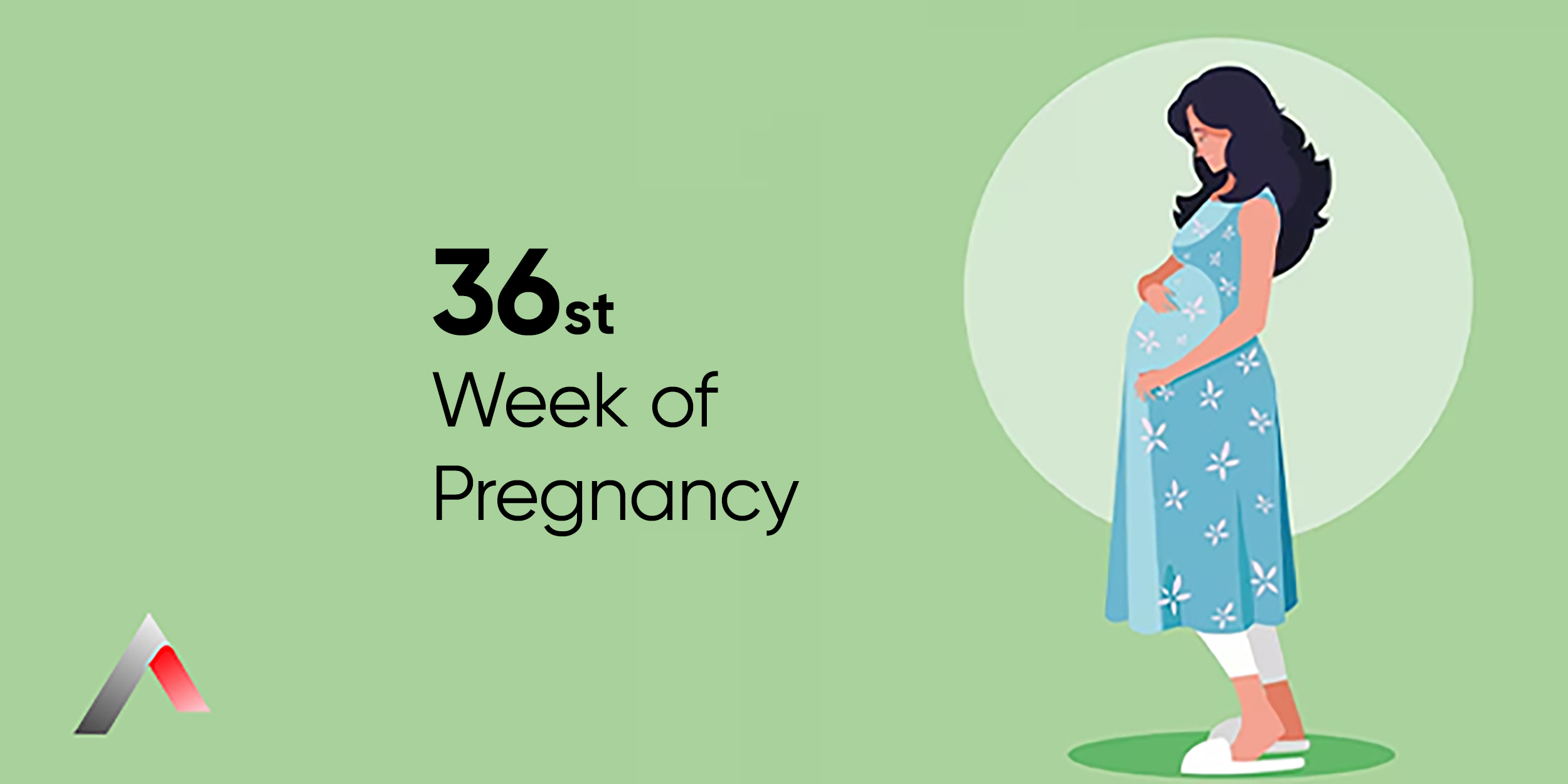
At 36 weeks of pregnancy, your body undergoes many changes as it prepares for birth.
Physical Changes:
Emotional Changes:
Maintaining a healthy and balanced diet during pregnancy is crucial for both your health and your baby’s development.
Essential Nutrients:
Foods to Avoid:
Your baby’s gender should have already been identified in ultrasounds performed during earlier weeks of pregnancy.
Routine ultrasounds are generally not performed at 36 weeks of pregnancy. However, your doctor may request an ultrasound to assess your baby’s development, check the amount of amniotic fluid, evaluate the placenta’s position, or diagnose any potential issues. Ultrasound may also be used to determine your baby’s birth position.
In the 36th week of your pregnancy, it is important to take certain precautions to ensure your health and your baby's development.
Signs of Labor:
Some signs that labor is approaching include:
If you notice any of these signs, you should contact your doctor immediately.
Signs of Preterm Labor:
At 36 weeks, the risk of preterm labor is still significant. Pay attention to the following signs of preterm labor and contact your doctor immediately if you notice any:
Braxton Hicks Contractions:
Braxton Hicks contractions are preparatory contractions of the uterine muscles. These contractions are usually irregular, painless, and short. Braxton Hicks contractions are not a sign of labor, but if they become regular and painful, consult your doctor.
Gestational Diabetes:
If you have not undergone gestational diabetes screening between the 24th-28th weeks, you can do so during this week. If diagnosed, diet, exercise, and medication (if necessary) are used to control blood sugar levels.
Preeclampsia:
Preeclampsia is a condition during pregnancy characterized by high blood pressure and protein in the urine. It is serious for both mother and baby and requires immediate treatment. Symptoms include headache, vision problems, swelling in the face and hands, abdominal pain, and nausea.
Other Recommendations:
A Life Health Group has a team of experienced obstetrics and gynecology specialists who are experts in pregnancy follow-up. We provide personalized pregnancy monitoring services for expectant mothers and their babies using the latest technology and methods.
Our Services:
Experience a healthy pregnancy with A Life Health Group!
Last Updated: 6 Kasım 2025 14:05
Publish Date: 6 Kasım 2024 16:48

Please fill in the fields below so that we can reach you
We are here for all your questions and problems 24/7.


 TR Türkçe
 EN English
 0 (850) 888 54 33


 E-Appointment
 E-Appointment
  E-Result












 0 (850) 888 54 33
 WhatsApp
 E-Appointment