
False Menopause Symptoms

False Menopause

False menopause, medically known as premature ovarian failure, occurs when the ovaries lose their function before the age of 40. Normally, menopause is a natural process that occurs in women in their late 40s or early 50s. However, in false menopause, the ovaries stop producing estrogen and progesterone at an early age and cease releasing eggs. This condition leads to menopause-like symptoms such as irregular menstrual cycles, hot flashes, vaginal dryness, and sleep disturbances, and can cause infertility at a young age.

In this comprehensive guide prepared by A Life Health Group, we will examine false menopause (premature ovarian failure) in depth. You can gain detailed information and awareness about what false menopause is, its causes, symptoms, diagnosis, treatment options, and living with false menopause.

What Is False Menopause?

False menopause, or premature ovarian insufficiency, occurs when the ovaries lose their function before the age of 40. This means that the ovaries stop producing sufficient estrogen and cease regular egg release (ovulation). It differs from natural menopause. In natural menopause, ovarian function gradually declines with age, whereas in false menopause, this loss of function occurs early and unexpectedly.

Causes of False Menopause

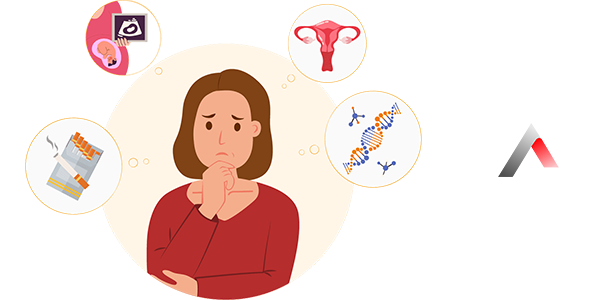
The exact cause of false menopause is not always known, but possible factors include:

  • Genetic factors: Women with a family history of false menopause have a higher risk.
  • Autoimmune diseases: Conditions in which the immune system attacks the ovaries (e.g., Hashimoto’s thyroiditis, Graves’ disease, Addison’s disease).
  • Chemotherapy and radiation therapy: Cancer treatments like chemotherapy and radiation can damage the ovaries, leading to false menopause.
  • Surgery: Partial or complete removal of the ovaries (oophorectomy) can cause false menopause.
  • Infections: Certain infections such as mumps, rubella, and tuberculosis may harm the ovaries.
  • Toxic substances: Exposure to cigarette smoke, pesticides, and other toxic chemicals.
  • X chromosome abnormalities: Women with X chromosome abnormalities, such as Turner syndrome, have a higher risk of false menopause.

Diagnosis of False Menopause

To diagnose false menopause, your doctor may request the following tests:

  • Blood tests: High levels of FSH (follicle-stimulating hormone) and LH (luteinizing hormone), along with low estrogen levels, may indicate false menopause. Additionally, thyroid function tests, autoimmune disease tests, and other hormone tests may be performed.
  • Pelvic ultrasound: A pelvic ultrasound can be performed to evaluate the size and structure of the ovaries and check for the presence of follicles (egg sacs).
  • Genetic tests: If a genetic cause is suspected, genetic testing may be conducted.

Symptoms of False Menopause

The symptoms of false menopause are similar to those of menopause and may include:

Symptoms_of_False_Menopause_dc39abe0.webp

Headache

Headache in false menopause is a common complaint among women. Hormonal changes, especially the decrease in estrogen levels, can trigger headaches or worsen existing ones.

Causes of Headache in False Menopause:

  • Estrogen Reduction: Estrogen affects brain chemicals and blood vessels, regulating pain perception. In false menopause, decreased estrogen levels can cause dilation of blood vessels in the brain, leading to headaches.
  • Serotonin Levels: Estrogen influences the production of serotonin, a neurotransmitter. Serotonin plays a role in regulating mood, sleep, and pain perception. A drop in estrogen can lower serotonin levels, contributing to headaches.
  • Stress: Situations causing false menopause (such as cancer treatment or surgical interventions) can create stress, which is a significant factor in triggering or intensifying headaches.
  • Sleep Disorders: Sleep problems, commonly seen in false menopause, can cause headaches or worsen existing ones.
  • Other Factors: Dehydration, caffeine and alcohol consumption, certain foods, and environmental factors can also trigger headaches.

Joint and Muscle Pain

In false menopause, joint and muscle pain is another common and bothersome symptom for women. A decrease in estrogen can affect joint and muscle health, causing pain, stiffness, and limited mobility.

Causes of Joint and Muscle Pain in False Menopause:

  • Estrogen Reduction: Estrogen plays a role in maintaining cartilage tissue in the joints and reducing inflammation. In false menopause, decreased estrogen levels can thin the cartilage, increase inflammation, and cause pain.
  • Loss of Muscle Mass: Estrogen helps preserve muscle mass. Estrogen deficiency in false menopause can lead to decreased muscle mass and muscle weakness, contributing to joint and muscle pain.
  • Inflammation: Estrogen helps regulate inflammation in the body. Reduced estrogen can increase inflammation, leading to joint and muscle pain.
  • Other Factors: Stress, poor nutrition, physical inactivity, excessive weight, and certain medical conditions can also contribute to joint and muscle pain.

Menstrual Irregularities

Menstrual irregularities are a common health issue for women of reproductive age. A normal menstrual cycle lasts between 21 and 35 days and occurs regularly each month. Menstrual irregularities refer to disruptions in this cycle, changes in the amount or duration of bleeding, or bleeding between periods.

Symptoms of Menstrual Irregularities:

  • Menstrual cycle shorter than 21 days or longer than 35 days
  • Bleeding that is very light or very heavy
  • Menstrual bleeding duration that is too short or too long
  • Bleeding between menstrual periods
  • Very painful periods
  • Passing more clots than normal during menstruation
  • Absence of menstruation for 3 months or longer (amenorrhea)

Causes of Menstrual Irregularities:

There can be many different causes of menstrual irregularities. The most common causes include:

  • Hormonal Imbalances: Hormonal disorders such as polycystic ovary syndrome (PCOS), thyroid diseases, and pituitary gland disorders can lead to irregular periods.
  • Stress: Intense stress can cause hormonal changes in the body, resulting in menstrual irregularities.
  • Rapid Weight Gain or Loss: Excessive weight gain or loss can affect hormonal balance and cause irregular periods.
  • Excessive Exercise: Intense physical activity can disrupt the body’s energy balance, leading to irregular menstruation.
  • Certain Medications: Some medications, such as birth control pills or antidepressants, may cause menstrual irregularities.
  • Intrauterine Device (IUD): Using an IUD can cause irregular periods, especially in the first months.
  • Fibroids and Polyps: Fibroids and polyps in the uterus can affect the amount and duration of menstrual bleeding.
  • Endometriosis: The presence of uterine tissue outside the uterus can cause painful and irregular periods.
  • Pelvic Inflammatory Disease (PID): Infection of the uterus, ovaries, and fallopian tubes can lead to menstrual irregularities.
  • Ovarian Cysts: Cysts in the ovaries can affect hormonal balance and cause irregular periods.
  • Early Menopause: Entering menopause before the age of 40, known as early menopause, can lead to irregular menstrual cycles.

Vaginal Dryness

Vaginal dryness is a common and bothersome condition in premature menopause. The decrease in estrogen causes vaginal tissues to thin, lose elasticity, and reduces the production of vaginal fluids that provide natural lubrication.

Causes of Vaginal Dryness in Premature Menopause:

  • Estrogen Decrease: Estrogen plays a crucial role in vaginal health. It maintains the thickness, elasticity, and moisture of vaginal tissues. In premature menopause, decreased estrogen levels lead to thinning and dryness of vaginal tissues.
  • Reduced Blood Flow: Estrogen increases blood flow to the vagina. Reduced blood flow in premature menopause can affect the nourishment and moisture of vaginal tissues.

Symptoms of Vaginal Dryness in Premature Menopause:

  • Feeling of dryness in the vagina
  • Itching and burning sensation
  • Pain during sexual intercourse
  • Increased susceptibility to vaginal infections
  • Burning sensation during urination

Loss of Libido

Loss of libido, or decreased sexual desire, is a significant issue women may experience during premature menopause. This condition can arise from hormonal changes as well as psychological and relational factors.

Causes of Libido Loss in Premature Menopause:

  • Estrogen Decrease: Estrogen plays a key role in sexual desire and arousal. In premature menopause, decreased estrogen levels can lead to reduced sexual desire, vaginal dryness, and pain during intercourse. These factors can diminish sexual pleasure, contributing to libido loss.
  • Testosterone Decrease: Testosterone also affects sexual desire, and its levels may drop in premature menopause. This can result in decreased sexual desire and difficulty achieving orgasm.
  • Psychological Factors: Situations causing premature menopause (such as cancer treatment or surgical interventions) can lead to stress, anxiety, depression, and low self-esteem. These emotional states negatively affect sexual desire and arousal, contributing to loss of libido.
  • Relational Factors: Communication issues in the relationship, partner’s sexual problems, or differing expectations about sex can also contribute to decreased libido.

Hot Flashes

Unlike natural menopause, premature menopause (also called false menopause) occurs when the ovaries temporarily reduce or stop estrogen production rather than losing function permanently. This can result from medical interventions or medications, such as cancer treatments. Women experiencing premature menopause may also have hot flashes similar to those in natural menopause.

Causes of Hot Flashes in Premature Menopause:

  • Estrogen Decrease: The main cause of hot flashes in premature menopause is reduced estrogen levels. Estrogen plays a key role in the body’s temperature regulation. When ovarian function is temporarily suppressed or halted, estrogen levels drop, impairing the hypothalamus’s ability to regulate body temperature, resulting in sudden and intense feelings of heat.

Factors Leading to Premature Menopause and Hot Flashes:

  • Cancer Treatments: Chemotherapy, radiotherapy, and certain hormone therapies can temporarily halt ovarian function and reduce estrogen production.
  • Surgical Interventions: Surgical removal of the ovaries or operations that damage ovarian function.
  • Certain Medications: Medications such as GnRH analogs can temporarily stop ovarian activity, leading to premature menopause.

Sleep Problems

Sleep disturbances are common in premature menopause. Just like in natural menopause, decreased estrogen levels can affect sleep patterns and quality. Women may experience frequent night awakenings, difficulty falling asleep, morning fatigue, and overall poor sleep.

Causes of Sleep Problems in Premature Menopause:

  • Hormonal Changes: Reduced estrogen levels can affect the production of melatonin, the hormone that regulates sleep, leading to difficulty falling and staying asleep.
  • Hot Flashes and Night Sweats: Frequent hot flashes and night sweats in premature menopause can disrupt sleep and reduce its quality.
  • Psychological Factors: Situations causing premature menopause (such as cancer treatments or surgical interventions) can lead to stress, anxiety, and depression, which further contribute to sleep disturbances.
Emotional Changes

Premature menopause can cause emotional changes in addition to physical symptoms. Decreased estrogen levels affect brain chemicals, leading to mood swings, emotional fluctuations, and other psychological issues.

Emotional Changes Observed in Premature Menopause:

  • Depression: Characterized by sadness, hopelessness, loss of energy, loss of interest, and sleep problems, depression is a common mental health issue in premature menopause.
  • Anxiety: Excessive worry, fear, tension, and restlessness can occur. Panic attacks, social anxiety, and obsessive-compulsive tendencies may also be observed.
  • Mood Swings: Fluctuating estrogen levels can cause sudden and intense emotional changes. A person may feel happy one moment and angry or sad the next.
  • Irritability and Restlessness: Premature menopause may lead to irritability, impatience, and restlessness, where even small matters can easily cause discomfort.
  • Concentration Problems: Difficulty focusing, forgetfulness, and distraction are cognitive issues often associated with emotional changes in premature menopause.
  • Loss of Self-Confidence: Physical and emotional changes during premature menopause can result in low self-esteem and body image concerns.
  • Decreased Libido: Reduced estrogen levels can lower sexual desire and cause vaginal dryness, negatively affecting sexual life and relationships.
Skin Problems

Skin problems are also common in premature menopause. A decrease in estrogen affects the skin’s moisture balance, elasticity, and collagen production, leading to various skin issues.

Possible Skin Problems in Premature Menopause:

  • Dry Skin: Estrogen supports the production of oils that keep the skin moisturized. Reduced estrogen levels can cause dryness, flaking, and itching.
  • Fine Lines and Wrinkles: Estrogen stimulates collagen and elastin production, which maintain skin elasticity and firmness. Estrogen deficiency can reduce collagen and elastin, leading to fine lines and wrinkles.
  • Thin and Sensitive Skin: Estrogen helps maintain skin thickness and resilience. Lower estrogen levels can make the skin thinner, more sensitive, and prone to damage.
  • Acne: Hormonal fluctuations in some women may trigger hormonal acne.
  • Skin Spots: Sunspots and age spots may become more pronounced during premature menopause.
  • Slow Wound Healing: Estrogen plays a crucial role in the healing process. Its deficiency can slow down wound recovery.
Hair Loss

Hair loss is a distressing issue that women may experience during premature menopause. Like in natural menopause, a decrease in estrogen affects hair follicles, leading to thinning and shedding of hair.

Causes of Hair Loss in Premature Menopause:

  • Estrogen Decrease: Estrogen plays a crucial role in regulating the hair growth cycle. It stimulates hair follicles and helps hair remain in the growth phase longer. Lower estrogen levels in premature menopause can weaken hair follicles, causing thinning and hair loss.
  • Androgen Hormones: As estrogen decreases, androgen (male) hormones may become relatively more dominant. Androgens can shrink hair follicles and contribute to hair loss.
  • Other Factors: Stress, poor nutrition, thyroid disorders, and certain medications can also contribute to hair loss.
Night Sweats

Night sweats are a common and distressing symptom in premature menopause. Like hot flashes, they are triggered by a decrease in estrogen levels. Night sweats can disrupt sleep, cause fatigue, and even contribute to depression.

Causes of Night Sweats in Premature Menopause:

  • Estrogen Decrease: Estrogen plays a key role in regulating the body’s temperature control system. Reduced estrogen levels in premature menopause affect the hypothalamus’s ability to regulate body temperature, leading to sudden and intense sweating episodes during the night.
  • Hot Flashes: Night sweats often occur alongside hot flashes. A hot flash starts with a sudden feeling of heat in the upper body, followed by intense sweating.
  • Psychological Factors: Stress, anxiety, and depression can trigger or exacerbate night sweats.
Premature Menopause Treatment

The goal of treating premature menopause is to relieve symptoms, prevent complications, and improve quality of life. Treatment options include:

  • Hormone Replacement Therapy (HRT): HRT can be used to compensate for the deficiency of estrogen and progesterone. It helps alleviate symptoms such as hot flashes, vaginal dryness, and bone loss. However, HRT carries certain risks (such as breast cancer and heart disease), so it should always be used under medical supervision.

  • Lifestyle Changes:

    • Healthy Diet: Consume foods rich in calcium and vitamin D.

    • Regular Exercise: Engage in regular physical activity to maintain bone health and manage weight.

    • Stress Management: Stress can worsen symptoms. Techniques such as meditation and yoga can help control stress levels.

    • Quit Smoking: Smoking accelerates bone loss and increases the risk of other health problems.

  • Alternative Treatments: Methods such as acupuncture and herbal therapies may help alleviate symptoms in some women.

Prepared by A Life Medical Editorial Board.

Last Updated: 6 Kasım 2025 14:05

Publish Date: 24 Nisan 2024 17:50

False Menopause Symptoms

Quick Application Form

Please fill in the fields below so that we can reach you

Related Departments
Related Doctors
Similar Contents

Do you need help?

We are here for all your questions and problems 24/7.