
13-Week Pregnancy

Welcome to the Second Trimester!

As A Life Health Group, we are here to provide you with the most accurate and up-to-date information and support at every moment of your 13-Week Pregnancy journey. We have prepared a comprehensive information page about this enjoyable period of 13-week pregnancy. On this page, you will learn in detail what happens in the thirteenth week of pregnancy, what changes occur in your body and your baby, what you need to pay attention to, and what the second trimester will bring you.

What Does 13-Week Pregnancy Mean?

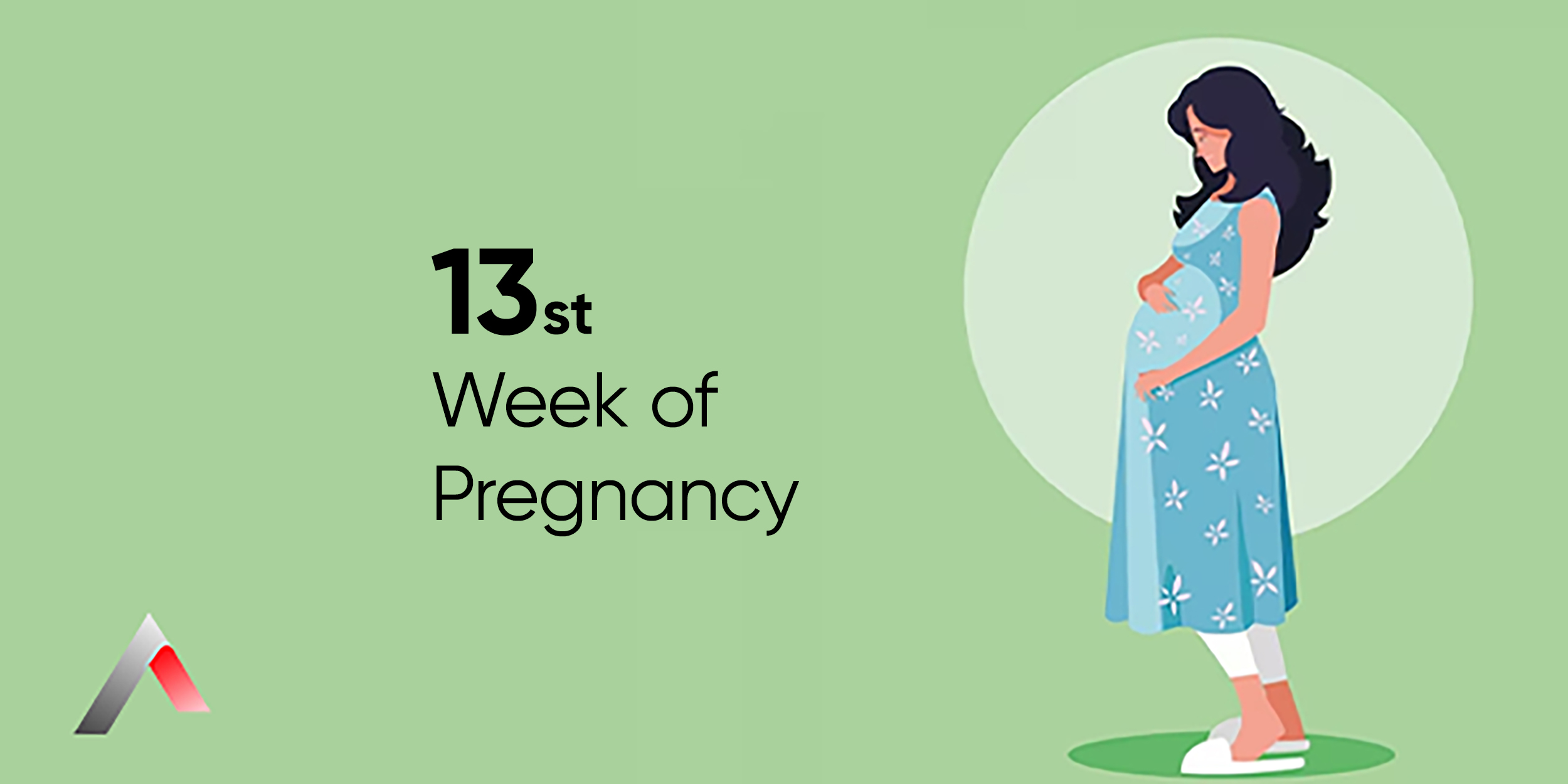
Pregnancy is calculated from the first day of your last menstrual period. At 13 weeks of pregnancy, your baby’s length reaches approximately 7–8 cm and is now about the size of a lemon. This week marks your baby’s entry into the second trimester, with a further reduced risk of miscarriage, and many mothers begin to feel more energetic.

All of your baby’s major organs have formed and started functioning. During this week, your baby’s vocal cords begin to develop, the intestines start absorbing amniotic fluid, and the pancreas begins producing insulin. Additionally, your baby can now make more coordinated movements and start developing facial expressions.

13_Haftalik_gebelik_a2ccf1df.jpg

What Happens to Your Body at 13 Weeks of Pregnancy?

At 13 weeks of pregnancy, you continue to experience some changes due to shifts in hormone levels and your body adapting to your baby. Many uncomfortable symptoms seen at the end of the first trimester begin to decrease, and you may start feeling more energetic.

  • Missed Period: Your period remains delayed.
  • Breast Tenderness: Sensitivity in your breasts may continue to decrease. Your breasts may keep growing, and your nipples may darken further.
  • Fatigue: You may feel an increase in energy levels, and feelings of tiredness may diminish.
  • Nausea and Vomiting: Morning sickness often disappears completely in many women.
  • Frequent Urination: The need to urinate frequently may decrease.
  • Emotional Changes: You may continue to feel more emotionally balanced.
  • Headache: Headaches usually lessen.
  • Constipation: Constipation may continue. Drinking plenty of water, consuming high-fiber foods, and regular exercise can help prevent constipation.
  • Changes in Smell and Taste: Sensitivity to smells and tastes may continue to decrease.
  • Vaginal Discharge: Vaginal discharge may increase. This is normal, but consult your doctor if you notice changes in color, odor, or consistency.
  • Skin Changes: Skin changes may continue. It is important to moisturize and protect your skin from the sun.
  • Varicose Veins: New varicose veins may appear, or existing ones may become more pronounced. Wearing compression stockings and elevating your legs can help reduce varicose vein formation.
  • Increased Appetite: Your appetite may increase. Focus on healthy and balanced nutrition.
  • Abdominal Growth: Your belly continues to grow more noticeably. You may need to start wearing maternity clothes.
  • Back Pain: You may experience back pain. Correct posture and exercises can help reduce back pain.
  • Lower Back Pain: You may experience lower back pain. Wearing a supportive bra and maintaining proper posture can help alleviate it.
  • Sleep Problems: You may wake up during the night or have difficulty falling asleep. Creating a comfortable sleep environment and maintaining a regular sleep schedule can improve sleep quality.
What Happens to Your Baby at 13 Weeks of Pregnancy?

Significant developments occur in your baby at 13 weeks of pregnancy:

  • Brain Development: The brain continues to develop rapidly, and connections between nerve cells increase. Brain waves become more regular.
  • Nervous System Development: The nervous system continues to develop, and your baby can now make more coordinated movements. They can suck their fingers, yawn, kick, and clench their fists.
  • Facial Features: Facial features are almost complete. The eyes are positioned at the front of the head, and the ears reach their normal position.
  • Arms and Legs: Arms and legs continue to lengthen and develop. Bones continue to harden, and muscles develop.
  • Internal Organ Development: Internal organs such as the heart, lungs, liver, kidneys, and intestines continue to develop. The pancreas begins producing insulin.
  • Vocal Cords: Vocal cords begin to develop.
  • Intestines: The intestines begin to absorb amniotic fluid.
  • Bone Marrow: Bone marrow starts producing blood cells.
  • Sex Organs: External sex organs continue to develop. It may be possible to determine the sex via ultrasound.
  • Hair: Your baby’s hair follicles continue to develop, and fine hairs begin to form.
  • Reflexes: Reflexes such as sucking, swallowing, and grasping continue to develop in your baby.

What Should You Pay Attention to at 13 Weeks of Pregnancy?

At 13 weeks of pregnancy, there are several important points to consider for your baby’s healthy development and for a healthy pregnancy for yourself:

  • Healthy Nutrition: Focus on a balanced and healthy diet. Consume plenty of fruits, vegetables, whole grains, and protein. Avoid processed foods, sugary drinks, and trans fats. Pay special attention to calcium, iron, and vitamin D intake.
  • Avoiding Harmful Habits: Smoking, alcohol, and drug use can negatively affect your baby’s development. Therefore, it is very important to stay away from these harmful habits.
  • Medication Use: Consult your doctor before taking any medication.
  • Caffeine Consumption: Limit caffeine intake. It is recommended not to consume more than 200 mg of caffeine per day.
  • Stress Management: Try relaxation techniques such as yoga, meditation, or deep breathing exercises to manage stress.
  • Rest: Get enough rest and sleep. Aim for 7–8 hours of sleep per day.
  • Fluid Intake: Drink plenty of water to prevent dehydration.
  • Doctor Check-ups: Have regular check-ups with your doctor.
  • Exercise: With your doctor’s approval, you can do light exercises. Activities like walking, swimming, and yoga are beneficial during pregnancy.
  • Comfortable Clothing: Wear comfortable clothes that fit your growing belly and breasts.
  • Support Bra: Use an appropriate bra to support your breasts.
  • Skin Care: Use suitable moisturizers to keep your skin hydrated and prevent skin problems. Don’t forget to use sunscreen.
  • Dental Care: Brush your teeth regularly and use dental floss. Visit your dentist for regular check-ups.
  • Sexual Intercourse: Sexual activity is generally safe in an uncomplicated pregnancy. However, consult your doctor if you have any concerns.
  • Pregnancy Exercises: With your doctor’s approval, you can start or continue pregnancy exercises. These exercises help prepare your body for childbirth, strengthen your muscles, and increase your energy levels.
  • Prenatal Classes: By attending prenatal classes, you can learn about the childbirth process, baby care, and breastfeeding.

Frequently Asked Questions and Answers at 13 Weeks of Pregnancy

What is the Miscarriage Risk at 13 Weeks of Pregnancy?

At 13 weeks of pregnancy, the risk of miscarriage decreases significantly compared to the early weeks of pregnancy. However, there is still a risk. If you notice symptoms such as vaginal bleeding, abdominal pain, or cramps, contact your doctor immediately.

Can the Baby’s Sex Be Determined at 13 Weeks of Pregnancy?

At 13 weeks of pregnancy, the risk of miscarriage decreases significantly compared to the early weeks of pregnancy. However, there is still a risk. If you notice symptoms such as vaginal bleeding, abdominal pain, or cramps, contact your doctor immediately.

How Can a Twin Pregnancy Be Detected at 13 Weeks?

At 13 weeks of pregnancy, a twin pregnancy can be easily diagnosed with an ultrasound examination. Two separate gestational sacs and two separate fetuses will be visible.

Which Vitamins Should I Take at 13 Weeks of Pregnancy?

Continue taking the vitamin and mineral supplements recommended by your doctor. These may include nutrients such as iron, calcium, and vitamin D.

What Should I Pay Attention to at 13 Weeks of Pregnancy?

Following the healthy lifestyle recommendations mentioned above is important for your baby’s healthy development and for a healthy pregnancy for yourself. Additionally, do not forget to have regular check-ups with your doctor and follow their recommendations.

Mental Health at 13 Weeks of Pregnancy

The second trimester is generally a period when mothers-to-be feel better and have increased energy. However, you may still experience emotional changes. Changes in your body, new responsibilities, and concerns about the future may cause anxiety. Here are some recommendations for your mental health at 13 weeks of pregnancy:

  • Share Your Feelings: Talk about your feelings with your partner, family, or friends.
  • Stress Management: Try relaxation techniques such as yoga, meditation, or deep breathing exercises to manage stress.
  • Join Pregnancy Groups: By joining pregnancy groups, you can share experiences with other expectant mothers and receive support.
  • Seek Professional Help: If needed, do not hesitate to get professional help from a psychologist or counselor.
  • Take Time for Yourself: Dedicate time to relaxing activities such as hobbies, reading, listening to music, or taking a warm bath.
  • Spend Time in Nature: Being outdoors can improve your mood and help reduce stress.
  • Stay Positive: Try to enjoy the pregnancy process and focus on positive thinking.
  • Communicate with Your Partner: Share your feelings and thoughts with your partner and enjoy this special period together.
  • Make a Birth Plan: Start planning your birth and learn about your delivery options.
Your Pregnancy Journey with A Life Health Group

As A Life Health Group, we are here to support you from the pregnancy planning stage through the postpartum period. Our expert doctors and healthcare staff will guide you at every step of your pregnancy and answer all your questions. Our nutrition specialists can help you create a personalized nutrition plan throughout your pregnancy. Our psychologists can provide support to maintain your mental health and cope with the emotional challenges during pregnancy.

We wish you a healthy pregnancy and a joyful journey into motherhood!

Prepared by A Life Medical Editorial Board.

Last Updated: 6 Kasım 2025 14:05

Publish Date: 6 Kasım 2024 01:37

13-Week Pregnancy

Quick Application Form

Please fill in the fields below so that we can reach you

Related Departments
Related Doctors
Similar Contents

Do you need help?

We are here for all your questions and problems 24/7.