



 TR Türkçe
 EN English
 0 (850) 888 54 33


 E-Appointment
 E-Appointment
  E-Result
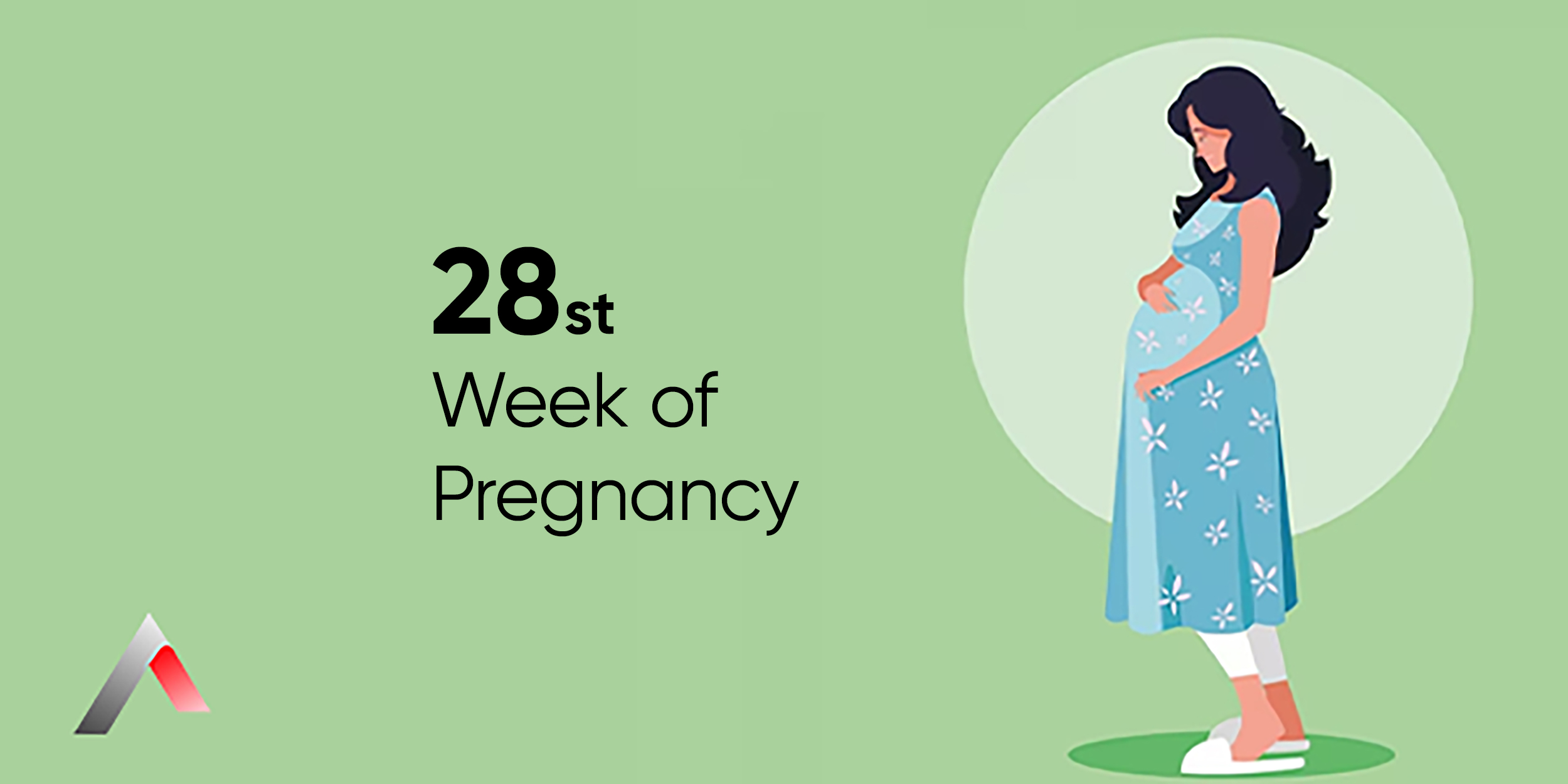
At the 28th week of your pregnancy, it is important to take certain precautions to protect your health and support your baby’s development.
Signs of Preterm Labor:
The 28th week of pregnancy is still a period with a high risk of preterm labor. It is important to watch for the following signs and contact your doctor immediately if you notice any of them:
- Vaginal bleeding or spotting
- Water breaking
- Regular contractions (every 10 minutes or more frequently)
- Abdominal pain or cramps
- Back pain
- Pelvic pressure
- Changes in vaginal discharge
Braxton Hicks Contractions:
Braxton Hicks contractions are practice contractions of the uterine muscles. These contractions are generally irregular, painless, and short. They are not a sign of preterm labor, but if they become regular and painful, consult your doctor.
Gestational Diabetes:
Gestational diabetes is a type of diabetes that develops during pregnancy or is first diagnosed during pregnancy. It can pose risks to both mother and baby. Therefore, screening for gestational diabetes between weeks 24–28 is important. If diagnosed, blood sugar levels are managed through diet, exercise, and medication if necessary.
Preeclampsia:
Preeclampsia is characterized by high blood pressure and protein in the urine during pregnancy. It is a serious condition for both mother and baby and requires immediate treatment. Symptoms include headache, visual disturbances, swelling in the face and hands, abdominal pain, and nausea.
Other Recommendations:
- Avoid lying on your back: The growing uterus can compress major blood vessels when lying on your back, causing dizziness or fainting. It is recommended to lie on your left side.
- Avoid tight clothing: Tight clothes can restrict blood circulation and cause discomfort.
- Pay attention to footwear: Choose comfortable, flat shoes instead of high heels or pointed shoes.
- Moisturize your skin: Skin dryness and itching are common during pregnancy. Regular moisturizing is important.
- Maintain dental hygiene: Pregnancy hormones can make gums sensitive. Brush your teeth regularly and use dental floss.
- Continue sexual activity: Unless advised otherwise by your doctor, sexual activity can continue during pregnancy.
- Monitor your baby’s movements: Once you start feeling your baby move, it is important to track movements. Contact your doctor immediately if you notice a decrease or change.
- Participate in pregnancy exercises: Pregnancy exercises help prepare for labor and keep you fit during pregnancy.
- Take childbirth education: Childbirth education provides information about labor and helps you prepare.
- Start purchasing baby items: Buying baby items is both exciting and contributes to preparation.
- Prepare the baby’s room: Creating a safe and comfortable environment for your baby is important.
- Make a birth plan: A birth plan helps you outline your preferences and communicate with your birth team.
- Spend time with your partner: Spending time together helps you prepare for the baby and support each other.
- Take time for yourself: Relaxation during pregnancy is important. You can read, listen to music, take a warm bath, or meditate.
- Prepare your hospital bag: Keep items you may need at the hospital in your birth bag.














 0 (850) 888 54 33
 WhatsApp
 E-Appointment