
33-Week Pregnancy

Your Baby at 33 Weeks of Pregnancy

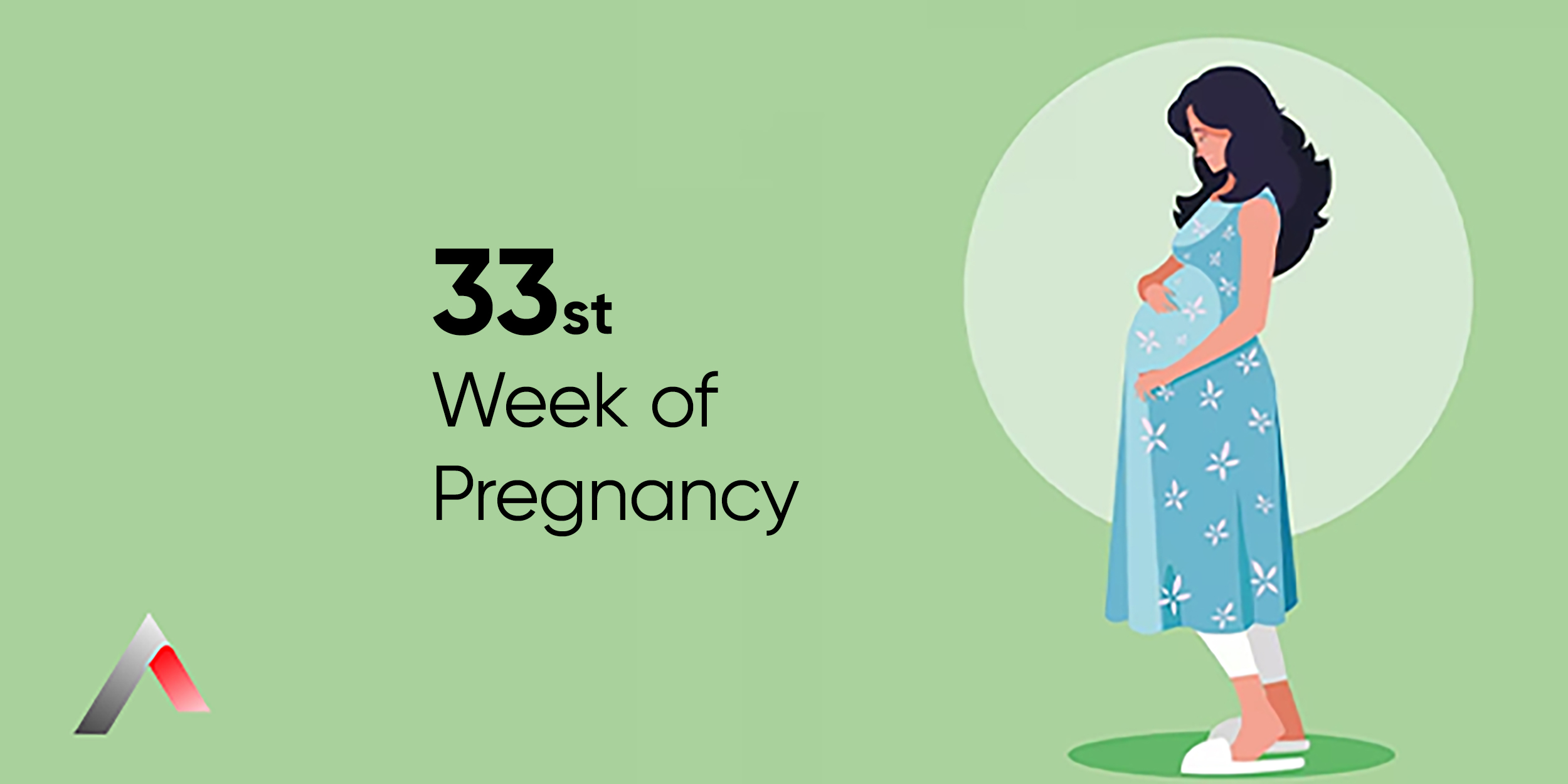
Welcome to the 33rd week of your pregnancy! Excitement for birth is at its peak, and your baby is preparing more each day to enter the world. This week, significant progress is made in your baby's growth and development.

Size and Weight:
At 33 weeks of pregnancy, your baby is approximately 43-44 cm long and weighs around 2000 grams.

Organ Development:
Your baby's organs continue to mature. The lungs are still developing, and surfactant production is increasing. Surfactant is an essential substance that helps the lungs open and fill with air after birth. Your baby's heart is beating stronger, and circulation is improving. The brain is growing rapidly, and the nervous system continues to develop. The bone marrow has started producing red blood cells. The immune system is developing, providing protection against some infections through antibodies passed from the mother. The liver and kidneys are also continuing to mature. Your baby's nails have grown, and the hair has thickened.

Sensory Development:
Your baby's senses are becoming more advanced. The eyes can now open and close, and the pupils can dilate or contract in response to light. Additionally, the eyes begin to focus and can see nearby objects. Your baby can hear better and distinguish between different sounds. Responses to sounds in the womb, music, and especially the voices of the mother and father are noticeable. Taste buds are developed, allowing your baby to sense the flavor of the amniotic fluid. The sense of touch is also developing, and your baby can touch the uterine wall, umbilical cord, and their own body.

Movements:
At 33 weeks of pregnancy, your baby occupies less space in the womb, so movements may be felt less compared to previous weeks. However, the intensity and type of movements may vary. Your baby may still kick, turn, and hiccup. Monitoring your baby's movements and contacting your doctor if you notice any changes is important.

Sleep Patterns:
Your baby's sleep and wake cycles are becoming more defined. Your baby continues to experience REM sleep, which may indicate dreaming.

Position:
Your baby generally begins to settle in a head-down position, which is the most suitable for birth. However, some babies may not have assumed this position yet.
33_Haftalik_gebelik_0eff830d.jpg

Changes in the Mother at 33 Weeks of Pregnancy

At 33 weeks of pregnancy, your body also undergoes many changes.

Physical Changes:

  • Growing belly: Your abdomen continues to expand, and your skin stretches. Your belly button may protrude.
  • Weight gain: It is normal to have gained approximately 12-15 kg by this week.
  • Breast enlargement: Your breasts continue to grow, and colostrum production increases.
  • Skin changes: You may notice spots, stretch marks, or visible veins on your skin.
  • Changes in hair and nails: Your hair may become thicker and shinier, and your nails may grow faster.
  • Other changes: Varicose veins, edema (swelling), back pain, constipation, indigestion, heartburn, headache, dizziness, shortness of breath, nosebleeds, numbness in hands and feet, sleep problems, snoring, leg cramps, carpal tunnel syndrome, hot flashes, sweating, fatigue, forgetfulness, hemorrhoids, urinary incontinence, pelvic pain, nausea, vomiting, acid reflux, insomnia, palpitations, anemia, pelvic pressure, stomach burning, constipation, and back pain may occur.

Emotional Changes:

  • Emotional fluctuations: Hormonal changes may cause mood swings.
  • Anxiety and worry: You may feel anxious or worried about your baby's health, childbirth, and parenting.
  • Nesting instinct: The nesting instinct can be defined as the desire to organize and clean your home in preparation for your baby's arrival.
  • Maternal instinct: Maternal instincts continue to develop, and your desire to bond with your baby increases. Feeling your baby's movements helps strengthen this bond.

Nutrition at 33 Weeks of Pregnancy

Maintaining a healthy and balanced diet throughout pregnancy is very important for both your health and your baby's health.

Essential Nutrients:

  • Protein: Adequate protein intake is important for your baby's rapid growth. Meat, chicken, fish, eggs, dairy products, legumes, and nuts are protein sources.
  • Calcium: Calcium is essential for your baby's bone development. Milk and dairy products, leafy green vegetables, almonds, and calcium-fortified foods are sources of calcium.
  • Iron: Your iron needs increase as your blood volume rises. Red meat, legumes, leafy green vegetables, and dried fruits are iron sources.
  • Folic acid: Folic acid intake is important to reduce the risk of neural tube defects. Leafy green vegetables, legumes, grains, and folic acid supplements are sources of folic acid.
  • Omega-3 fatty acids: Omega-3 fatty acids are important for your baby's brain development. Foods such as salmon, tuna, walnuts, and flaxseed are rich in omega-3 fatty acids.
  • Fiber: Consuming fiber-rich foods is important to prevent constipation. Fruits, vegetables, whole grains, and legumes are sources of fiber.
  • Vitamin C: Vitamin C increases iron absorption and strengthens the immune system. Citrus fruits, strawberries, kiwi, broccoli, and tomatoes are sources of vitamin C.

Foods to Avoid:

  • Fish containing mercury: Avoid fish containing mercury such as swordfish, shark, and mackerel.
  • Raw or undercooked meat and eggs: Raw or undercooked meat and eggs may increase the risk of food poisoning.
  • Unpasteurized milk and cheese: Unpasteurized milk and cheese may contain harmful bacteria.
  • Alcohol: Alcohol can harm your baby's development.
  • Smoking: Smoking increases the risk of miscarriage, preterm birth, and other pregnancy complications.
  • Excessive caffeine: Excessive caffeine intake may cause miscarriage.
  • Processed foods: Processed foods are high in sugar, salt, and saturated fat and are unhealthy.

Determining Gender at 33 Weeks of Pregnancy

Your baby's gender should have been determined in previous weeks through ultrasound scans.

Ultrasound at 33 Weeks of Pregnancy

A routine ultrasound is generally not performed at 33 weeks of pregnancy. However, your doctor may request an ultrasound to assess your baby's development, check the amount of amniotic fluid, evaluate the placenta's placement, or diagnose any potential issues. Additionally, an ultrasound can be done to determine your baby's birth position.

Things to Watch Out for at 33 Weeks of Pregnancy

At 33 weeks of pregnancy, it is important to take precautions for your health and your baby's development.

Signs of Preterm Labor:
At 33 weeks, the risk of preterm labor is still significant. Watch for the following signs and contact your doctor immediately if you notice any:

  • Vaginal bleeding or spotting
  • Water breaking
  • Regular contractions (every 10 minutes or more frequently)
  • Abdominal pain or cramps
  • Back pain
  • Pelvic pressure
  • Changes in vaginal discharge

Braxton Hicks Contractions:
Braxton Hicks contractions are practice contractions of the uterus. They are usually irregular, painless, and short in duration. They are not a sign of preterm labor, but if they become regular and painful, contact your doctor.

Gestational Diabetes:
If you have not undergone gestational diabetes screening between weeks 24-28, you can do so at this time. If diagnosed, blood sugar levels are managed through diet, exercise, and medications if necessary.

Preeclampsia:
Preeclampsia is characterized by high blood pressure and protein in the urine during pregnancy. It is a serious condition for both mother and baby and requires immediate treatment. Symptoms include headaches, visual disturbances, swelling in the face and hands, abdominal pain, and nausea.

Other Recommendations:

  • Avoid lying on your back: Your growing uterus can press on major blood vessels, causing dizziness and fainting. Lying on your left side is recommended.
  • Avoid tight clothing: Tight clothing can restrict blood flow and cause discomfort.
  • Choose comfortable shoes: Prefer flat, supportive shoes over high heels or pointed shoes.
  • Moisturize your skin: Dryness and itching are common during pregnancy, so regular moisturizing is important.
  • Maintain dental hygiene: Pregnancy hormones can make gums sensitive; brush teeth and use dental floss regularly.
  • Sexual activity: Continue unless your doctor advises otherwise.
  • Monitor fetal movements: Track your baby's movements and consult your doctor if you notice reduced or unusual activity.
  • Participate in pregnancy exercises: These help you stay fit and prepare for labor.
  • Attend childbirth education classes: Gain knowledge about labor and prepare for delivery.
  • Start buying baby items: Shopping for baby essentials can be both exciting and practical.
  • Prepare the baby’s room: Ensure a safe and comfortable environment.
  • Make a birth plan: Outline your preferences and communicate them with your delivery team.
  • Spend quality time with your partner: Strengthen your bond and support each other.
  • Take time for yourself: Read, listen to music, take a warm bath, or meditate.
  • Pack your hospital bag: Include essentials like comfortable clothes, slippers, sanitary pads, nursing bras, and baby blankets.
  • Plan for postpartum care: Arrange help at home, consider lactation support, and find care options for your baby.
  • Consult your doctor for shortness of breath: Your growing uterus can press on the diaphragm; your doctor can suggest ways to alleviate this.
  • Pay attention to sleep positions: Lying on your left side increases blood flow to the baby and helps kidney function.
  • Accept bodily changes: Embrace the changes in your body and practice self-care.
  • Learn about labor signs: As birth approaches, your body gives signs like mucus plug discharge, water breaking, and contractions. Recognizing these signs is important.

Pregnancy Follow-up at A Life Health Group

A Life Health Group has a team of experienced obstetrics and gynecology specialists specialized in pregnancy follow-up. We provide personalized pregnancy care services to expectant mothers and their babies using the latest technology and methods.

Our Services:

  • Examination by obstetrics and gynecology specialists
  • Ultrasonography (including detailed ultrasound scans)
  • Prenatal tests (such as the double test, triple test, glucose tolerance test)
  • Pregnancy education and counseling
  • Childbirth preparation courses
  • Labor and postpartum services
  • Breastfeeding counseling
  • Baby care training

Experience a healthy pregnancy with A Life Health Group!

Prepared by A Life Medical Editorial Board.

Last Updated: 6 Kasım 2025 14:05

Publish Date: 6 Kasım 2024 16:38

33-Week Pregnancy

Quick Application Form

Please fill in the fields below so that we can reach you

Related Departments
Related Doctors
Similar Contents

Do you need help?

We are here for all your questions and problems 24/7.