
15-Week Pregnancy

Your Baby’s Senses Are Developing!

As A Life Health Group, we are here to provide you with the most accurate and up-to-date information at every stage of your 15-week pregnancy journey. We have prepared a comprehensive information page about "15-week pregnancy" for this joyful period. On this page, you will learn in detail what happens during the fifteenth week of pregnancy, the changes occurring in your body and your baby, what you need to pay attention to, and what the second trimester brings you.

What Does 15-Week Pregnancy Mean?

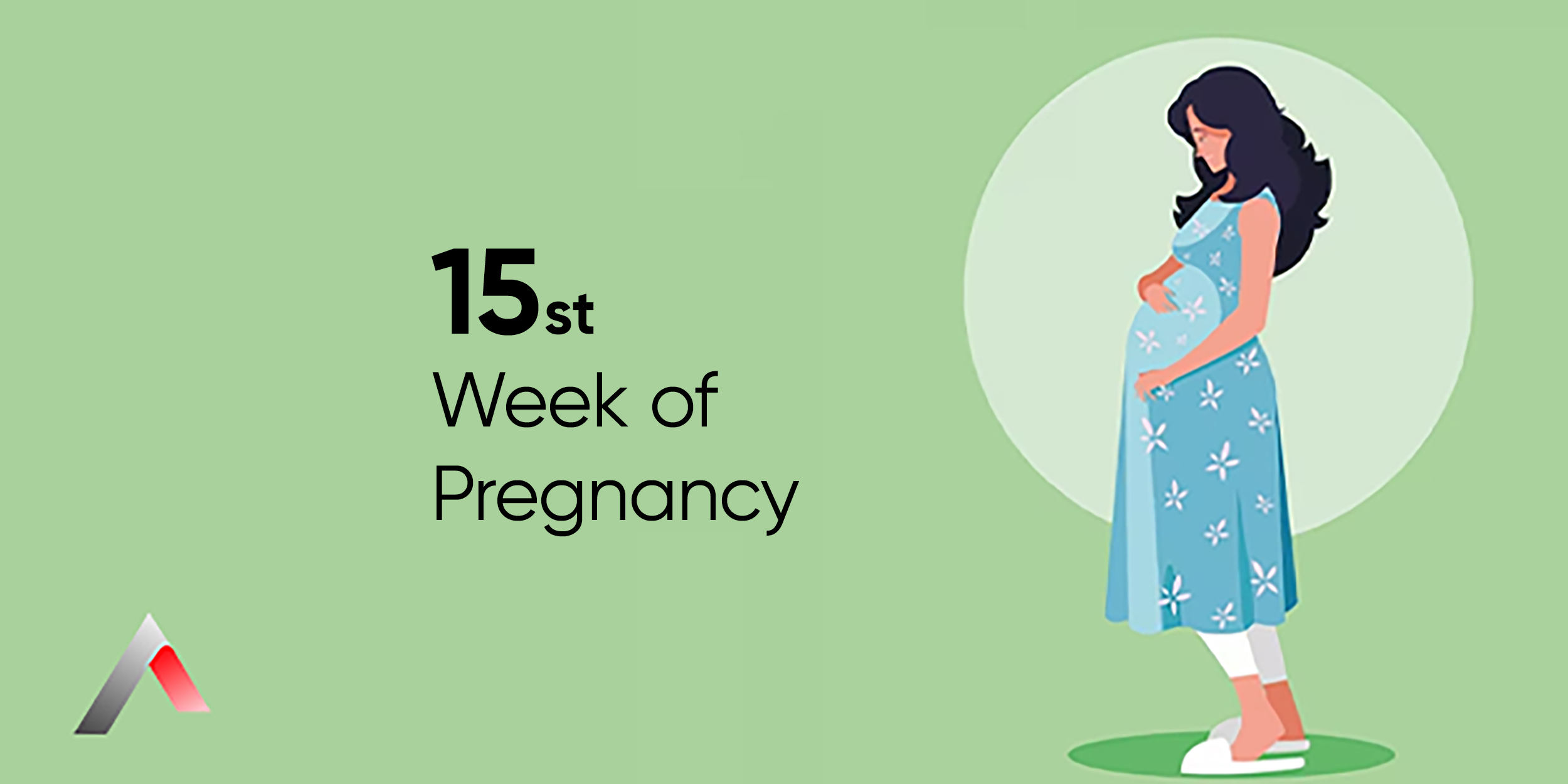
Pregnancy is calculated from the first day of your last menstrual period. At 15 weeks, your baby’s length reaches approximately 10 cm and is now about the size of an apple. This week marks a period in which your baby continues to grow steadily in the second trimester, with developing senses and increasing movements.

Your baby’s bones continue to harden, and muscles grow stronger. This week, your baby’s taste buds develop, allowing them to sense the flavor of the amniotic fluid. Additionally, your baby’s hair and eyebrows become more defined, and blood vessels can be seen beneath the skin.

15_Haftalik_gebelik_f2bbbb7b.jpg

What Happens to Your Body at 15 Weeks of Pregnancy?

At 15 weeks, hormonal changes and your body’s adaptation to your baby continue to cause various changes. The second trimester is generally a period when expectant mothers feel more energetic and well.

  • Missed Period: Your period remains absent.
  • Breast Changes: Your breasts may continue to grow. Nipples and areolas may darken further. The first milk, called colostrum, may continue to be produced.
  • Energy Levels: You may feel more energetic and better overall.
  • Nausea and Vomiting: Morning sickness usually disappears for most women.
  • Frequent Urination: The need to urinate frequently may decrease.
  • Emotional Changes: You may continue to feel emotionally more balanced.
  • Headaches: Headaches generally decrease.
  • Constipation: Constipation may persist. Drinking plenty of water, consuming fiber-rich foods, and regular exercise can help prevent it.
  • Changes in Taste and Smell: Sensitivity to taste and smell may continue to decrease.
  • Vaginal Discharge: Vaginal discharge may increase. This is normal, but if you notice changes in color, odor, or consistency, consult your doctor.
  • Skin Changes: Skin changes may continue. Moisturizing and sun protection are important. Pregnancy-related pigmentation, known as the “mask of pregnancy,” may appear.
  • Varicose Veins: Varicose veins may develop or existing ones may become more noticeable. Wearing compression stockings and elevating your legs can help reduce varicose veins.
  • Increased Appetite: Your appetite may increase. Focus on healthy and balanced nutrition.
  • Abdominal Growth: Your belly continues to grow more noticeably.
  • Back Pain: You may experience back pain. Correct posture and targeted exercises can help relieve it.
  • Leg Cramps: Leg cramps may occur. Regular exercise, staying hydrated, and consuming potassium-rich foods can help prevent cramps.
  • Nosebleeds: Hormonal changes may cause occasional nosebleeds.
  • Gum Bleeding: Your gums may be more sensitive and may bleed while brushing.

What Happens to Your Baby at 15 Weeks of Pregnancy?

At 15 weeks, your baby undergoes significant developments:

  • Taste Buds: Taste buds develop, allowing your baby to sense the flavor of amniotic fluid.
  • Hearing: The inner ear develops, and your baby begins to hear sounds, including your voice, heartbeat, and surrounding noises.
  • Vision: The eyes become sensitive to light and can detect changes in light within the womb.
  • Skeletal Development: Bones continue to harden.
  • Muscle Development: Muscles continue to grow, enabling stronger movements.
  • Internal Organ Development: Organs such as the heart, lungs, liver, kidneys, and intestines continue to develop.
  • Circulatory System: Blood vessels become more visible under the skin.
  • Genital Development: External genitalia continue developing, and gender may be determined via ultrasound.
  • Hair: Hair continues to grow, and eyebrows and eyelashes become more distinct.
  • Lanugo: Fine hair covering the body (lanugo) becomes more noticeable.
  • Reflexes: Reflexes like sucking, swallowing, and grasping continue to develop.

What to Pay Attention to at 15 Weeks of Pregnancy?

At 15 weeks, it is important to focus on several key points to support your baby’s healthy development and ensure a safe and comfortable pregnancy for yourself:

  • Healthy Nutrition: Maintain a balanced diet rich in fruits, vegetables, whole grains, and protein. Avoid processed foods, sugary drinks, and trans fats. Pay special attention to calcium, iron, and vitamin D intake.
  • Avoid Harmful Habits: Stay away from smoking, alcohol, and drugs, as they can negatively affect your baby’s development.
  • Medication Use: Consult your doctor before taking any medications.
  • Caffeine Consumption: Limit caffeine intake to less than 200 mg per day.
  • Stress Management: Practice relaxation techniques such as yoga, meditation, or deep breathing exercises.
  • Rest: Ensure sufficient sleep, aiming for 7–8 hours per night.
  • Hydration: Drink plenty of water to prevent dehydration.
  • Doctor Checkups: Attend regular prenatal visits and follow your doctor’s guidance.
  • Exercise: With your doctor’s approval, engage in light exercises like walking, swimming, or prenatal yoga.
  • Comfortable Clothing: Wear clothes that accommodate your growing belly and breasts.
  • Supportive Bra: Use a bra that provides adequate support.
  • Skin Care: Keep your skin moisturized and protected from the sun.
  • Dental Care: Brush and floss regularly, and visit your dentist for routine checkups.
  • Sexual Activity: Sexual intercourse is generally safe in an uncomplicated pregnancy, but consult your doctor if you have concerns.
  • Prenatal Exercises: Approved prenatal exercises can help prepare your body for labor, strengthen muscles, and increase energy.
  • Prenatal Classes: Attend classes to learn about childbirth, newborn care, and breastfeeding.
  • Feeling Baby Movements: In first pregnancies, you may begin to feel fetal movements, often described as gas bubbles or gentle flutters.

Tests Conducted at 15 Weeks of Pregnancy

At 15 weeks, your doctor may recommend the triple screening test. This test, in addition to the double screening test, measures different hormones to assess the risk of Down syndrome and other chromosomal abnormalities.

Optionally, amniocentesis may also be performed. This test involves taking a sample of the amniotic fluid surrounding your baby to diagnose chromosomal abnormalities. Since amniocentesis is an invasive procedure with a risk of miscarriage, it is usually recommended only for high-risk pregnancies.

Frequently Asked Questions and Answers in the 15th Week of Pregnancy

What is the risk of miscarriage at 15 weeks of pregnancy?

At 15 weeks of pregnancy, the risk of miscarriage decreases significantly compared to the early weeks of pregnancy. However, there is still a risk. If you notice symptoms such as vaginal bleeding, abdominal pain, or cramping, contact your doctor immediately.

Can the baby's gender be determined at 15 weeks of pregnancy?

At 15 weeks of pregnancy, your baby's genital organs are developed. It may be possible to determine the gender through an ultrasound examination.

How is a twin pregnancy detected at 15 weeks?

At 15 weeks of pregnancy, a twin pregnancy can be easily diagnosed with an ultrasound examination. Two separate gestational sacs and two separate fetuses will be visible.

Which vitamins should I take at 15 weeks of pregnancy?

Continue taking the vitamin and mineral supplements recommended by your doctor. These may include nutrients such as iron, calcium, and vitamin D.

What should I pay attention to at 15 weeks of pregnancy?

Paying attention to the healthy lifestyle recommendations mentioned above is important for your baby's healthy development and for you to have a healthy pregnancy. Also, do not forget to attend regular check-ups with your doctor and follow their recommendations.

Mental Health at 15 Weeks of Pregnancy

The second trimester is generally a period when expectant mothers feel better and have increased energy. However, you may still experience emotional changes. Changes in your body, new responsibilities, and concerns about the future can cause anxiety. Here are some recommendations for your mental health at 15 weeks of pregnancy:

  • Share Your Feelings: Share your emotions with your spouse, family, or friends.
  • Stress Management: Try relaxation techniques such as yoga, meditation, or deep breathing exercises to cope with stress.
  • Join Pregnancy Groups: By joining pregnancy groups, you can share experiences with other expectant mothers and receive support.
  • Seek Professional Help: If necessary, do not hesitate to get professional help from a psychologist or counselor.
  • Take Time for Yourself: Dedicate time to relaxing activities such as hobbies, reading, listening to music, or taking a warm bath.
  • Spend Time in Nature: Being in nature can help improve your mood and reduce stress.
  • Stay Positive: Try to enjoy the pregnancy process and focus on positive thinking.
  • Communicate with Your Spouse: Share your feelings and thoughts with your spouse and enjoy this special period together.
  • Plan for Birth: Start planning your birth and learn about your delivery options.
  • Prepare the Baby’s Room: You can begin preparations for the baby’s room.
  • Baby Names: You can research names for your baby.
Your Pregnancy Journey with A Life Health Group

As A Life Health Group, we are here to support you from the planning stage of pregnancy through the postpartum period. Our specialist doctors and healthcare staff will guide you at every step of your pregnancy and answer all your questions. Our nutrition experts can help you create a personalized nutrition plan throughout your pregnancy. Our psychologists can provide support to protect your mental health and cope with emotional challenges during pregnancy.

We wish you a healthy pregnancy and a joyful motherhood journey!

Prepared by A Life Medical Editorial Board.

Last Updated: 6 Kasım 2025 14:05

Publish Date: 6 Kasım 2024 01:48

15-Week Pregnancy

Quick Application Form

Please fill in the fields below so that we can reach you

Related Departments
Related Doctors
Similar Contents

Do you need help?

We are here for all your questions and problems 24/7.