

Congratulations! Reaching 40 weeks of pregnancy means you are very close to meeting your baby. This is considered full-term pregnancy, indicating that your baby can be born healthy without any complications. Of course, every baby is different, and some may be born after the 40th week. During this period, it is important not to miss your doctor appointments and to closely monitor your baby’s movements.
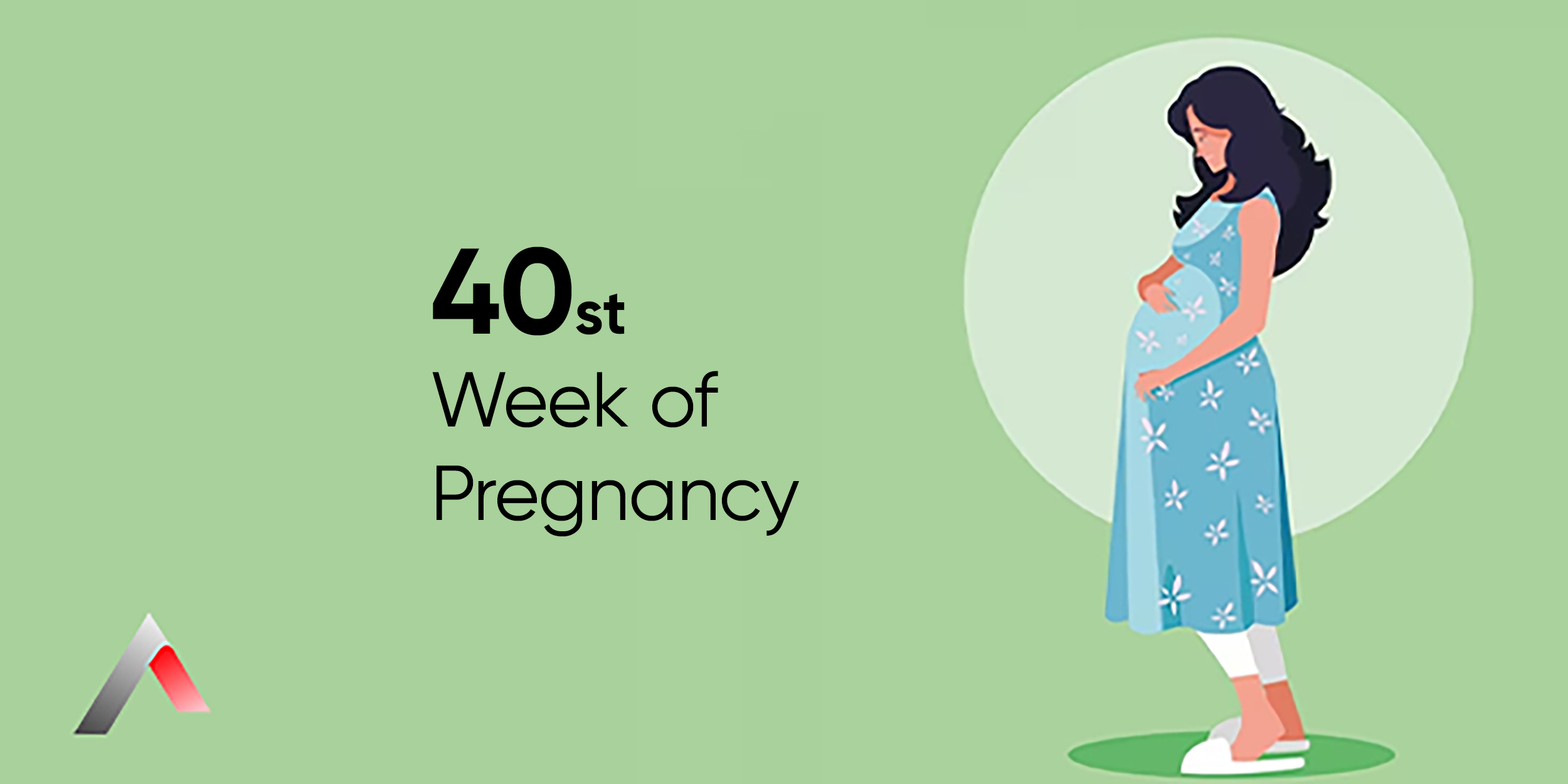
Your baby is now fully developed and ready for birth.
Size and Weight:
At 40 weeks, your baby is approximately 51–52 cm long and weighs around 3400 grams. These are average values and may vary for each baby.
Organ Development:
All of your baby’s organs are fully developed. The lungs are mature, with sufficient surfactant production. The heart beats strongly, and circulation is well established. The brain continues to grow rapidly, and the nervous system is still developing. Bone marrow continues producing red blood cells. The immune system is developing, with antibodies received from the mother providing protection against certain infections. The liver and kidneys are also mature.
Sensory Development:
Your baby’s senses are fully developed. The eyes can now open and close, and pupils adjust to light. Vision is improving, allowing your baby to focus on nearby objects. Your baby can hear and distinguish different sounds, responding to music and especially to the mother’s and father’s voices. Taste buds are developed, and your baby can sense the flavor of amniotic fluid. The sense of touch is also developed, allowing your baby to feel the uterine wall, umbilical cord, and their own body.
Movements:
At 40 weeks, your baby may move less due to limited space in the uterus. However, the intensity and type of movements may change. Your baby may still kick, turn, and hiccup. Monitoring your baby’s movements and contacting your doctor if you notice any changes is important.
Position:
Most babies are in a head-down position at this stage, which is ideal for birth. If your baby is not head-down, your doctor may suggest exercises or techniques to help the baby turn. One such technique is external cephalic version, where the baby is manually turned from outside the abdomen.
At 40 weeks of pregnancy, your body undergoes many changes.
Physical Changes:
Emotional Changes:
As labor approaches, your baby’s energy needs increase, so it is important to pay attention to your diet. Additionally, consuming sufficient and balanced nutrition helps store the energy you will need during and after birth.
Recommended Foods:
Foods to Avoid:
Some signs that labor is approaching include:
If you notice any of these signs, contact your doctor immediately.
Labor is the process of delivering the baby from the uterus at the end of pregnancy. It can occur via vaginal delivery or cesarean section.
Vaginal Delivery:
Vaginal delivery is the birth of the baby through the birth canal. It occurs in three stages:
Dilation stage: The cervix opens and thins to prepare a passage for the baby.
Pushing stage: With uterine contractions, the mother pushes to help the baby be born.
Placenta delivery stage: After the baby is born, the placenta separates from the uterus and is expelled.
Cesarean Section:
Cesarean section involves delivering the baby through surgical incisions in the abdomen and uterus. It may be medically necessary in certain situations, such as:
At 40 weeks of pregnancy, it is important to take certain measures to protect your health and support your baby’s development.
A Life Health Group has a team of experienced obstetricians and gynecologists specialized in pregnancy follow-up and birth services. We provide personalized services to our expectant mothers and their babies using the latest technology and methods.
Our Services:
Experience a healthy pregnancy and birth with A Life Health Group!
Last Updated: 6 Kasım 2025 14:05
Publish Date: 6 Kasım 2024 17:04

Please fill in the fields below so that we can reach you
We are here for all your questions and problems 24/7.


 TR Türkçe
 EN English
 0 (850) 888 54 33


 E-Appointment
 E-Appointment
  E-Result





 0 (850) 888 54 33
 WhatsApp
 E-Appointment