
9-Week Pregnancy

Your Baby is Now the Size of a Grape!

With A Life Health Group, we are here to provide you with the most accurate and up-to-date information and support throughout your 9 weeks of pregnancy journey. We have prepared a comprehensive information page about this exciting period of "9 weeks of pregnancy." On this page, you will learn in detail what happens during the ninth week of pregnancy, the changes occurring in your body and your baby, and the important points you need to pay attention to.

What Does 9 Weeks of Pregnancy Mean?

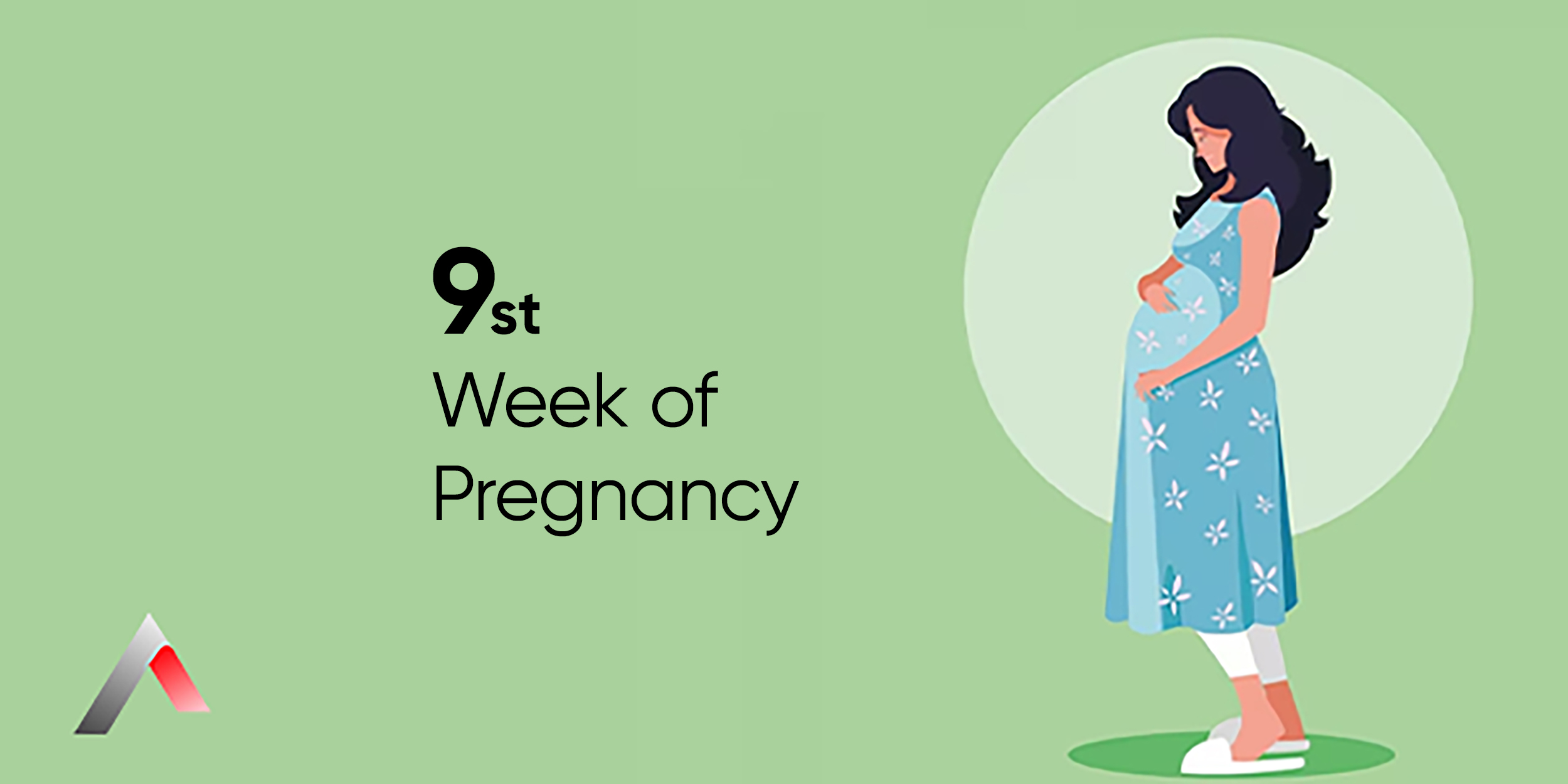
Pregnancy is calculated from the first day of your last menstrual period. At 9 weeks of pregnancy, your baby measures approximately 2.3 cm and is now the size of a grape. This week is an important period as your baby's organs continue to develop rapidly, the brain and nervous system mature, and the muscles strengthen.

Your baby's heart is now beating stronger and can be easily heard during an ultrasound examination. Additionally, your baby's facial features are becoming more defined, and the fingers and toes are clearly visible. In fact, your baby has already started making small movements, although you cannot feel them yet.

9_Haftalik_gebelik_86843894.jpg

What Happens in Your Body at 9 Weeks of Pregnancy?

At 9 weeks of pregnancy, you may continue to experience some symptoms due to changes in your hormone levels. These symptoms can vary from woman to woman, and some women may not experience any at all.

  • Missed Period: Your period remains delayed.
  • Breast Tenderness: Sensitivity, fullness, and pain in your breasts may continue. Your nipples and areolas may darken further, and your breasts may keep growing.
  • Fatigue: Feelings of tiredness and weakness may persist. You may feel the need to nap during the day.
  • Nausea and Vomiting: Morning sickness may continue. In some women, these symptoms may persist throughout the day, while in others, they may start to decrease.
  • Frequent Urination: The need to urinate frequently may continue, even waking you up at night.
  • Emotional Changes: You may feel more emotionally sensitive and continue to experience mood swings.
  • Headaches: You may have headaches.
  • Constipation: Constipation problems may persist.
  • Changes in Smell and Taste: Sensitivity to certain smells and tastes may continue.
  • Vaginal Discharge: Vaginal discharge may increase.
  • Skin Changes: You may experience acne, spots, or dryness.
  • Varicose Veins: Varicose veins may develop in your legs.
  • Appetite Changes: Your appetite may increase or decrease.
  • Abdominal Growth: Your belly may start to grow slightly, though this growth may not yet be very noticeable.
  • Back Pain: You may experience back pain due to your growing uterus and shifting center of gravity.

What Happens to Your Baby at 9 Weeks of Pregnancy?

At 9 weeks of pregnancy, your baby experiences significant developments:

  • Brain Development: The brain continues to grow rapidly, and the cerebellum begins to form. The cerebellum is responsible for balance and coordination.
  • Nervous System Development: The nervous system continues to develop, and reflexes start to appear.
  • Facial Features: Facial features become more defined. The eyes move toward the front of the head, and the ear structures begin to form.
  • Arms and Legs: Arms and legs continue to grow. Fingers and toes are fully separated, and nails begin to develop.
  • Internal Organ Development: Internal organs such as the heart, lungs, liver, kidneys, and intestines continue to develop. The diaphragm forms, and your baby may start hiccupping.
  • Skeletal Development: Cartilage continues to ossify into bone.
  • Muscle Development: Muscles continue to develop, and your baby starts moving more.
  • Genital Development: External genitalia begin to develop, but it is still too early to determine the baby’s sex via ultrasound.

What to Pay Attention to at 9 Weeks of Pregnancy?

At 9 weeks of pregnancy, it is important to follow certain guidelines to ensure your baby’s healthy development and maintain your own well-being:

  • Folic Acid Supplementation: Continue taking folic acid.
  • Healthy Nutrition: Eat a balanced and healthy diet rich in fruits, vegetables, whole grains, and protein. Avoid processed foods, sugary drinks, and trans fats.
  • Avoid Harmful Habits: Smoking, alcohol, and drug use can negatively affect your baby’s development. Avoid these completely.
  • Medication Use: Consult your doctor before taking any medications.
  • Caffeine Intake: Limit caffeine consumption.
  • Stress Management: Use relaxation techniques such as yoga, meditation, or deep breathing exercises.
  • Rest: Ensure adequate rest and sleep.
  • Managing Nausea and Vomiting: Eat small, frequent meals and avoid greasy or spicy foods. Natural remedies like ginger, mint, and lemon can help relieve nausea.
  • Hydration: Drink plenty of water to stay hydrated.
  • Doctor Check-ups: Keep regular appointments with your doctor.
  • Exercise: With your doctor’s approval, engage in light exercises such as walking, swimming, or prenatal yoga.
  • Comfortable Clothing: Wear clothing that accommodates your growing belly and breasts.
  • Supportive Bra: Use a supportive bra to reduce breast discomfort.
  • Skin Care: Moisturize your skin and use suitable products to prevent skin problems.

Prepared by A Life Medical Editorial Board.

Last Updated: 6 Kasım 2025 14:05

Publish Date: 6 Kasım 2024 01:22

9-Week Pregnancy

Quick Application Form

Please fill in the fields below so that we can reach you

Related Departments
Related Doctors
Similar Contents

Do you need help?

We are here for all your questions and problems 24/7.