
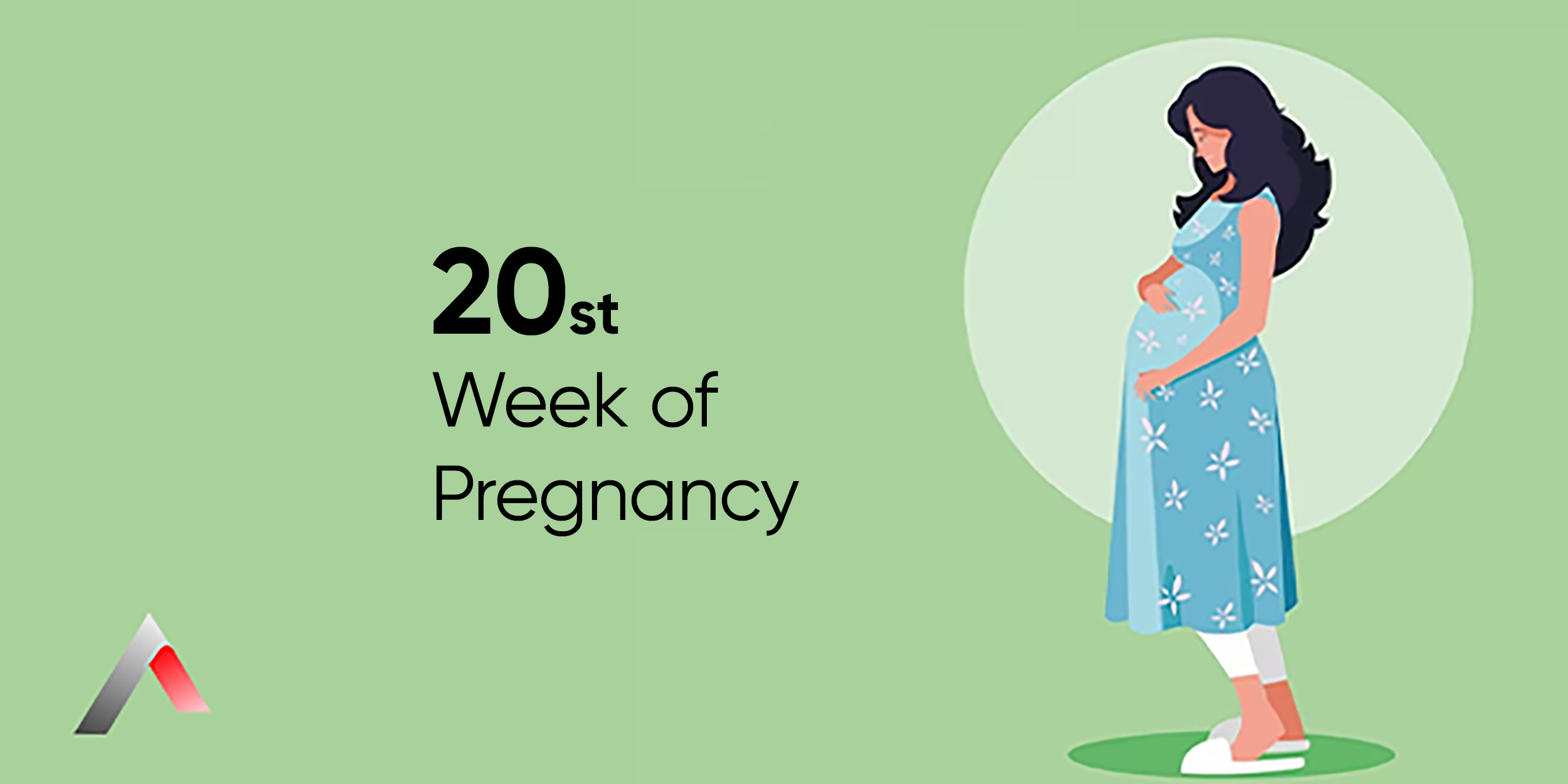
20-Week Pregnancy

Your Baby at 20 Weeks of Pregnancy

Congratulations! You have reached the 20th week of your pregnancy, meaning you are halfway through. This week, exciting developments are happening in your baby.

Size and Weight:

At 20 weeks of pregnancy, your baby is approximately 16-17 cm long and weighs 250-300 grams. You can think of it as the size of a banana.

Organ Development:

Your baby’s organs continue to develop rapidly. The heart beats strongly, the lungs continue to grow, the kidneys produce urine, and the intestines begin to produce the first stool called meconium. Brain development accelerates and the nervous system matures.

Development of Senses:

Your baby’s senses are also developing. They can hear sounds more clearly, perceive light, and even respond to movements and sounds in the womb. Taste buds are developed, and they can taste the amniotic fluid.

Sleep Patterns:

Your baby’s sleep and wake cycles are starting to form. This week, your baby may sleep and be awake at different times during the day.

Immune System:

Your baby’s immune system is beginning to develop and provides protection against some infections through antibodies passed from the mother.
20_Haftalik_gebelik_d6da506b.jpg

Changes in the Mother at 20 Weeks of Pregnancy

At the 20th week of your pregnancy, many changes occur in your body.

Physical Changes:

  • Growing belly: Your belly becomes more pronounced, and your clothes now need to be maternity wear. The uterus has reached the level of your navel.
  • Weight gain: It is normal to have gained an average of 5-7 kg this week.
  • Breast growth: Your breasts continue to grow and become more sensitive, and the first milk called colostrum begins to be produced.
  • Skin changes: You may notice spots, stretch marks, or visible veins on your skin.
  • Changes in hair and nails: Your hair may become thicker and shinier, and your nails may grow faster.
  • Other changes: Varicose veins, edema (swelling), back pain, lumbar pain, constipation, indigestion, heartburn, headache, dizziness, shortness of breath, and nosebleeds may occur.

Emotional Changes:

  • Emotional fluctuations: You may experience emotional ups and downs due to hormonal changes.
  • Anxiety and worry: You may feel concerned and anxious about your baby’s health and future.
  • Maternal instinct: Maternal instincts continue to develop, and your desire to bond with your baby increases. Feeling your baby’s movements helps strengthen this bond.

Nutrition at 20 Weeks of Pregnancy

Eating healthy during pregnancy is very important for both your health and your baby’s health.

Important Nutrients:

  • Protein: Protein intake is important for your baby’s growth and development. Meat, chicken, fish, eggs, dairy products, legumes, and nuts are protein sources.
  • Calcium: Calcium intake is important for your baby’s bone development. Milk and dairy products, green leafy vegetables, almonds, and calcium-fortified foods are good calcium sources.
  • Iron: Your need for iron increases as your blood volume expands. Red meat, dried legumes, green leafy vegetables, and dried fruits are iron sources.
  • Folic acid: Folic acid intake is important to reduce the risk of neural tube defects. Green leafy vegetables, legumes, cereals, and folic acid supplements are folic acid sources.
  • Omega-3 fatty acids: Omega-3 fatty acids are important for your baby’s brain development. Foods such as salmon, tuna, walnuts, and flaxseeds are rich in omega-3 fatty acids.
  • Fiber: Consuming fiber-rich foods is important to prevent constipation. Fruits, vegetables, whole grains, and legumes are fiber sources.

Foods to Avoid:

  • Mercury-containing fish: Avoid consuming mercury-containing fish such as swordfish, shark, and mackerel.
  • Raw or undercooked meat and eggs: Raw or undercooked meat and eggs may increase the risk of food poisoning.
  • Unpasteurized milk and cheese: Unpasteurized milk and cheese may contain harmful bacteria.
  • Alcohol: Alcohol can harm your baby’s development.
  • Smoking: Smoking increases the risk of miscarriage, preterm birth, and other pregnancy complications.
  • Excessive caffeine: Excessive caffeine intake can cause miscarriages.
  • Processed foods: Processed foods are high in sugar, salt, and saturated fat and are unhealthy.

Determining Gender at 20 Weeks of Pregnancy

In the detailed ultrasound performed at 20 weeks of pregnancy, your baby’s gender can most likely be determined. If the baby’s position is favorable, the genital organs can be clearly seen in the ultrasound image.

Ultrasound at 20 Weeks of Pregnancy

A detailed ultrasound scan (anatomy scan) is generally performed at 20 weeks of pregnancy. This scan examines your baby’s organs, limbs, and other body structures in detail and checks for any abnormalities. Additionally, your baby’s size, weight, and the amount of amniotic fluid are also assessed.

Precautions at 20 Weeks of Pregnancy

At 20 weeks of pregnancy, it is important to take certain precautions to protect your health and support your baby’s development.

Exercise and Activity:

  • Regular exercise is important to maintain health throughout pregnancy and prepare for childbirth. You can do light exercises such as walking, swimming, yoga, or Pilates.
  • Drink plenty of water before, during, and after exercise.
  • Avoid overly strenuous activities.

Sleep and Rest:

  • Maintaining a proper sleep schedule is important during pregnancy. Adequate sleep helps maintain your energy levels and manage stress.
  • Sleeping on your left side is recommended to improve blood circulation and increase blood flow to the baby.
  • Resting during the day and elevating your feet can help reduce swelling.

Stress Management:

  • Stress can increase the risk of pregnancy complications. You can use relaxation techniques such as yoga, meditation, and deep breathing to manage stress.
  • Engaging in hobbies, spending time with loved ones, and doing relaxing activities can help reduce stress.

Travel:

  • Traveling during pregnancy is generally safe, but long trips may carry some risks. Consult your doctor and take necessary precautions before traveling.
  • On airplane trips, move frequently and drink plenty of water to reduce the risk of blood clots in the legs. On car trips, take frequent breaks and relax.

Other Recommendations:

  • Avoid lying on your back: A growing uterus can press on major blood vessels, causing dizziness or fainting.
  • Avoid tight clothing: Tight clothes can restrict blood circulation and cause discomfort.
  • Pay attention to footwear: Choose comfortable, flat shoes instead of high heels or pointed shoes.
  • Moisturize your skin: Skin dryness and itching are common during pregnancy. Regular moisturizing is important.
  • Take care of your dental health: Pregnancy hormones can make gums sensitive. Brush regularly and use dental floss.
  • Sexual activity can continue: Unless your doctor advises otherwise, sexual intercourse can continue during pregnancy.

Pregnancy Follow-up at A Life Health Group

A Life Health Group has a team of experienced obstetrics and gynecology specialists who are experts in pregnancy follow-up. We provide personalized pregnancy monitoring services to expectant mothers and their babies using the latest technology and methods.

Our Services:

  • Obstetrics and gynecology specialist examinations
  • Ultrasonography (including detailed ultrasound scans)
  • Prenatal tests (such as double screening test, triple screening test, glucose tolerance test)
  • Pregnancy education and counseling
  • Childbirth preparation courses
  • Delivery and postpartum services
  • Breastfeeding counseling
  • Baby care training

Experience a healthy pregnancy with A Life Health Group!

Prepared by A Life Medical Editorial Board.

Last Updated: 6 Kasım 2025 14:05

Publish Date: 6 Kasım 2024 15:53

20-Week Pregnancy

Quick Application Form

Please fill in the fields below so that we can reach you

Related Departments
Related Doctors
Similar Contents

Do you need help?

We are here for all your questions and problems 24/7.