



 TR Türkçe
 EN English
 0 (850) 888 54 33


 E-Appointment
 E-Appointment
  E-Result
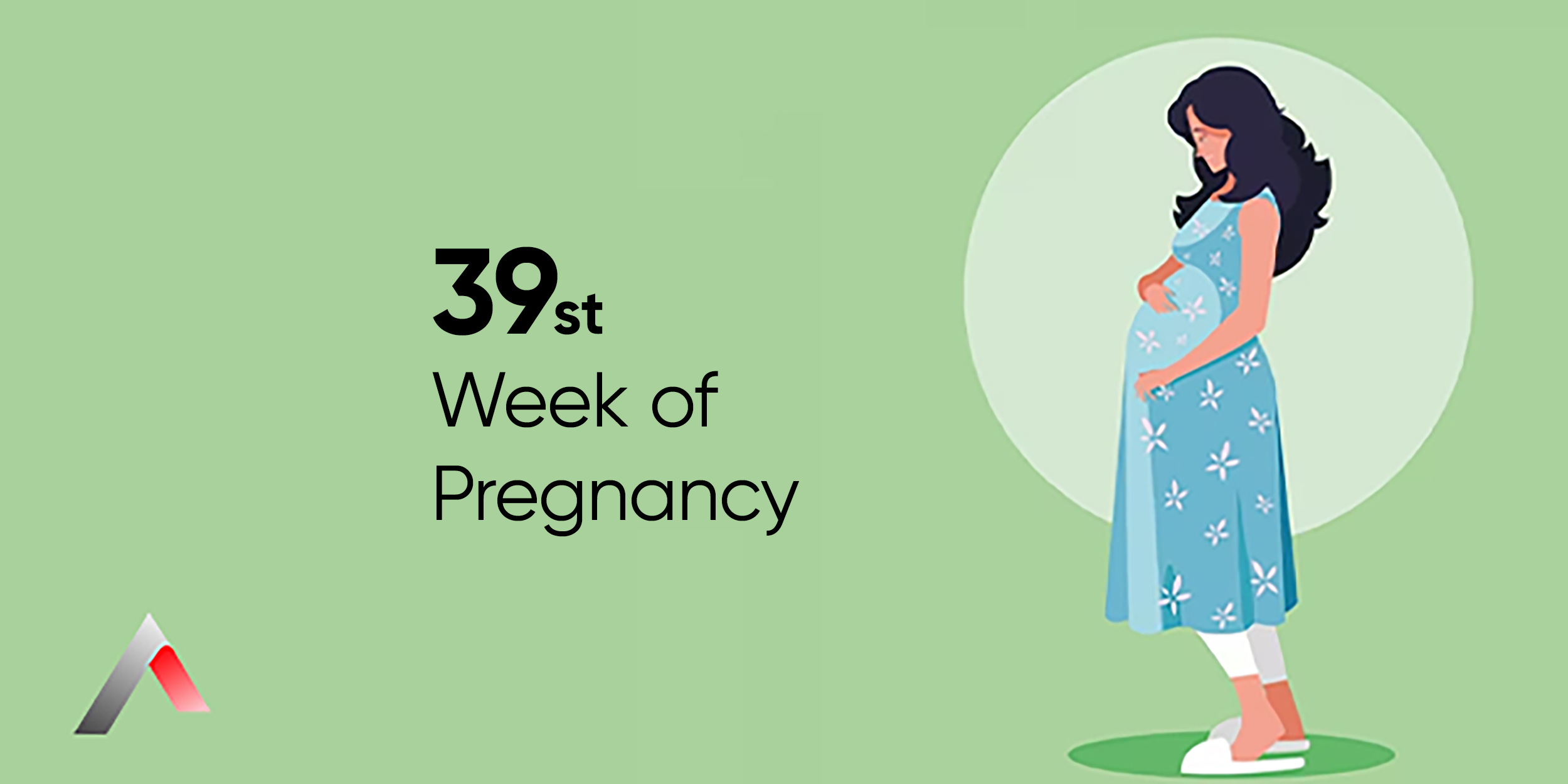
Eating a healthy and balanced diet throughout pregnancy is very important for both your health and your baby’s health. As birth approaches, your baby’s energy needs increase, and it is important to pay attention to your diet to meet these needs.
Essential Nutrients:
- Protein: Adequate protein intake is important for your baby’s rapid growth. Sources include meat, chicken, fish, eggs, dairy products, legumes, and nuts.
- Calcium: Calcium is necessary for your baby’s bone development. Sources include milk and dairy products, leafy green vegetables, almonds, and calcium-fortified foods.
- Iron: Your iron needs increase due to increased blood volume. Sources include red meat, dried legumes, leafy greens, and dried fruits.
- Folic Acid: Folic acid reduces the risk of neural tube defects. Sources include leafy green vegetables, legumes, grains, and folic acid supplements.
- Omega-3 Fatty Acids: Omega-3 fatty acids are important for your baby’s brain development. Sources include salmon, tuna, walnuts, and flaxseeds.
- Fiber: Fiber helps prevent constipation. Sources include fruits, vegetables, whole grains, and legumes.
- Vitamin C: Vitamin C enhances iron absorption and strengthens the immune system. Sources include citrus fruits, strawberries, kiwi, broccoli, and tomatoes.
Foods to Avoid:
- Mercury-rich fish: Avoid fish such as swordfish, shark, and mackerel that contain high levels of mercury.
- Raw or undercooked meat and eggs: These increase the risk of food poisoning.
- Unpasteurized milk and cheese: They may contain harmful bacteria.
- Alcohol: Alcohol can harm your baby’s development.
- Smoking: Smoking increases the risk of miscarriage, preterm birth, and other pregnancy complications.
- Excessive caffeine: High caffeine intake may increase the risk of miscarriage.
- Processed foods: These are high in sugar, salt, and saturated fats and are unhealthy.




 0 (850) 888 54 33
 WhatsApp
 E-Appointment