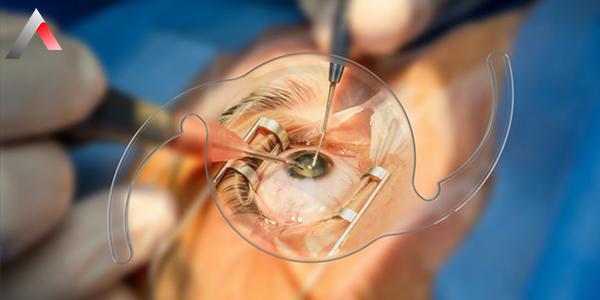

Cataract Surgery

Cataract Surgery

Cataract is a condition that occurs due to the clouding of the eye lens. It is also commonly known as "curtain over the eye" or "water accumulation in the eye." This cloudiness prevents light from reaching the retina, reducing visual quality. Cataracts usually develop due to aging, but in some cases, they can occur congenitally or due to factors such as injury or disease.

The most common symptoms of cataracts are:

  • Blurred vision: Decreased visual clarity, feeling as if looking through a sheer curtain.
  • Double vision: Seeing a single object as two.
  • Light sensitivity: Especially discomfort from bright lights such as car headlights at night.
  • Fading of colors: Inability to see colors vividly and brightly.
  • Difficulty with night vision: Struggling to see in dim light or while driving at night.
  • Frequent need to change glasses: Needing to frequently change glasses or lenses due to continuously worsening vision.

Why Cataract Surgery Is Performed?

This condition, commonly known as "curtain over the eye," can negatively affect daily life and may lead to blindness if left untreated. Here are the details on why cataract surgery is performed:

Improvement of Visual Quality:
Cataracts gradually progress, reducing visual sharpness, fading colors, and increasing light sensitivity. Surgery aims to restore visual quality by replacing the clouded lens with an artificial lens. This allows patients to perform daily activities (reading, driving, watching TV, etc.) more comfortably.

Facilitating Daily Life Activities:
Cataracts can make activities such as night driving or performing detailed tasks difficult. Surgery enables these activities to be carried out more safely and comfortably, increasing patients' independence and enhancing their quality of life.

Treatment of Other Eye Health Issues:
In some cases, cataracts can make it difficult to diagnose and treat other eye diseases (e.g., diabetic retinopathy or glaucoma). In such situations, cataract surgery may be a prerequisite for better management of these conditions.

Prevention of Blindness:
If untreated, cataracts can progress to vision loss and even blindness. Surgery prevents this, helping patients preserve their vision.

Cataract_Surgery__2__f6c67c63.webp

How Is Cataract Surgery Performed?

Cataracts can slow down your life and reduce the quality of your vision. Perhaps you or your loved ones are facing this condition, also known as "curtain over the eye." Don’t worry, cataract surgery allows you to continue your life with clearer vision.

First, the health of your eyes is our top priority. Therefore, we perform a detailed eye examination before the surgery. We carefully examine your eye structure and determine the most suitable intraocular lens (IOL) power for you. On the day of surgery, we apply anesthetic drops or local anesthesia to relax your eyes, ensuring you feel no discomfort during the procedure.

During the surgery, we gently keep your eyelids open and clean the area around your eyes in a sterile manner. Then, we make a small incision on your cornea or the limbus area. Through this incision, we safely remove your clouded lens (cataract).

  • Phacoemulsification:
    • We gently break your cataract-affected lens into pieces using ultrasonic waves and then aspirate it.
    • This method is currently the most commonly preferred and very safe technique.
  • Laser-Assisted Cataract Surgery:
    • We use femtosecond laser technology to make more precise incisions and fragment the lens.
    • This method is preferred in certain special cases.

After removing the cataract-affected lens, we insert the IOL specifically chosen for you into your eye. This lens remains in your eye for life, providing clear vision. Finally, the small incision usually closes on its own and does not require stitches.

The surgery is generally short, and you can return home the same day. After the procedure, we prescribe personalized eye drops to protect your eyes from infection and accelerate healing. You may experience mild discomfort and blurred vision for the first few days, but don’t worry. Your eyes will heal quickly, and your visual quality will improve.

In Which Cases Is Cataract Surgery Performed?

Having clear and sharp vision at every moment of your life directly affects your quality of life. If you or your loved ones are experiencing vision problems caused by cataracts, it is important to have accurate information. Cataract surgery can be an effective solution to help you regain your vision.

So, in which cases is this surgery performed?

Vision Problems Affecting Your Daily Life

If you are experiencing any of the following, cataract surgery may be an option for you:

  • Blurred Vision:
    If images lose their clarity and it feels as if you are looking through a sheer curtain.
  • Difficulty with Night Vision:
    If you have trouble seeing at night, especially while driving, or in dim environments.
  • Light Sensitivity:
    If bright lights, especially car headlights at night, cause discomfort to your eyes.
  • Fading of Colors:
    If colors lose their vibrancy and appear faded.
  • Double Vision:
    If you see a single object as two.
  • Frequent Need to Change Glasses:
    If your vision constantly worsens and you need to change glasses or lenses frequently.
  • Difficulty in Daily Activities:
    If you have trouble performing daily activities such as reading, driving, cooking, or engaging in hobbies.

To Protect Your Eye Health

In some cases, cataracts can make the diagnosis and treatment of other eye diseases more difficult. In such situations, cataract surgery may be necessary to protect your eye health.

Your Personal Needs and Lifestyle:
The decision for surgery is not only a medical necessity but also depends on your personal needs and lifestyle. If your vision problems significantly affect your daily life, you can discuss with your doctor to evaluate whether surgery is suitable for you.

What Are the Types of Cataract Surgery?

The commonly performed types of cataract surgery today are as follows:

A. Phacoemulsification (PHACO) Method:

  • This method is currently the most frequently used and safest cataract surgery technique.
  • During the surgery, the cataract-affected lens is broken into small pieces using ultrasonic waves and simultaneously aspirated.
  • Since the eye is accessed through a small incision, stitches are generally not required, and the recovery process is quick.

B. Laser-Assisted Cataract Surgery (Femtosecond Laser):

  • In this method, certain stages of the surgery are performed using femtosecond laser technology.
  • The laser is used for procedures such as making incisions in the cornea, opening the lens capsule, and fragmenting the cataract.
  • The precision and accuracy provided by the laser can be advantageous in specific cases. However, there is no significant difference in success compared to phacoemulsification.

C. Extra Capsular Cataract Surgery (ECCE):

  • This method involves making a larger incision to remove the cataract-affected lens in one piece.
  • It is an older technique and is generally preferred in very hard cataract cases or when the PHACO method cannot be applied.
  • The recovery process is longer compared to the PHACO method, and stitches may be required.

What Is the Preoperative Process for Cataract Surgery?

Cataract surgery is an important step in regaining your visual quality. Knowing what to expect during this process can help reduce your concerns and make you feel more secure.

Details of the preoperative process:

Detailed Eye Examination: Your Eye Health Is Important to Us

The first step before surgery is a comprehensive eye examination. This examination helps us assess the overall health of your eyes and determine whether you are suitable for surgery.

  • Detailed examination of your eye: Your doctor will carefully examine the anterior and posterior segments of your eye.
  • Visual acuity test: Your current vision level will be measured, and the impact of the cataract on your visual quality will be assessed.
  • Intraocular pressure measurement: Your intraocular pressure will be measured to check for the presence of other eye diseases, such as glaucoma.
  • Eye measurements: Specific measurements will be taken to determine the size of the lens to be used in the surgery.
Intraocular Lens (IOL) Selection: A Lens Customized for You

The artificial intraocular lens (IOL) used in surgery will directly affect your visual quality. Your doctor will work with you to select the most suitable IOL for your eye structure and personal needs.

  • Your lifestyle: Daily activities such as reading, driving, or using a computer will be considered.
  • Your eye structure: The shape and size of your eye are important factors in selecting the correct IOL.
  • Your vision expectations: How clear you want to see after surgery can influence the choice of IOL.
Preoperative Preparations: For a Comfortable and Safe Surgery

On the day of surgery, we will take certain preparations to ensure you feel comfortable and secure.

  • Eye drops: Before the surgery, special drops will be used to dilate your pupils and reduce the risk of infection.
  • Anesthesia: Your eye will be numbed to prevent any pain or discomfort during the surgery.
  • Surgery instructions: You will receive detailed information on precautions to take before and after the surgery.
How Is the Lens to Be Used in Cataract Surgery Decided?

The selection of the intraocular lens (IOL) to be used is just as important as the surgery itself. Don’t worry, we work meticulously to choose the most suitable lens for you.

Detailed Measurements of Your Eye
During the preoperative detailed eye examination, we measure the structure and dimensions of your eye with precise devices. These measurements help us determine the power and size of the IOL to be used.

  • Length of your eye: We measure the distance between the front and back sections of your eyeball.
  • Curvature of your cornea: We measure the shape of your cornea to assess astigmatism.
  • Intraocular lens calculations: Using special formulas, we determine the most appropriate IOL power for you.

We Aim for the Best Vision for You
The type of IOL to be used is determined according to your lifestyle and visual needs. Your doctor will guide you in this matter.

  • Your daily activities: Activities such as reading, driving, or using a computer are taken into consideration.
  • Your vision expectations: How clearly you want to see after surgery and your willingness to use glasses are evaluated.
  • Your eye health: If you have any other eye conditions, this may influence the choice of IOL.

Types of Lenses and Their Features
Today, there are many types of IOLs with different features. Your doctor will recommend the one most suitable for your eye structure and needs.

  • Monofocal lenses: Generally improve distance vision. Glasses may be required for near vision.
  • Multifocal lenses: Improve both distance and near vision, reducing the need for glasses.
  • Toric lenses: Correct astigmatism, providing clearer vision.
  • Extended depth of focus (EDOF) lenses: Provide continuous vision at distance and intermediate ranges while improving night vision quality.
What Is the Recovery Process After Cataract Surgery Like?

The recovery process after surgery is just as important as the surgery itself. Knowing what to expect during this period can help reduce your concerns and better prepare you for recovery.

First Hours and Days After Surgery:

  • Mild Discomfort and Blurriness:
    • You may feel slight discomfort, stinging, or burning in your eye after surgery. This is normal and usually resolves quickly.
    • Your vision may be blurry or hazy. This is also normal and part of the healing process.
  • Eye Drops:
    • Your doctor will prescribe eye drops to prevent infection and speed up healing. It is very important to use these drops regularly.
  • Eye Shield:
    • You may need to wear the eye shield provided to you for the first few days to protect your eye.
    • This helps prevent accidental bumps or rubbing.
  • Rest:
    • It is important to rest during the first days after surgery. Avoid heavy physical activities and tasks that may strain your eyes.

Recovery Process:

  • Improvement of Vision:
    • Your vision clarity will gradually improve within a few days. Complete recovery may take several weeks.
    • Each individual’s healing process may vary.
  • Use of Glasses:
    • After surgery, the need for glasses may decrease or disappear, but in some cases, your doctor may recommend wearing glasses.
  • Follow-Up Appointments:
    • Your doctor will schedule regular check-ups to monitor your healing process. It is important not to miss these appointments.
What Should You Pay Attention to After Cataract Surgery?
  • Do Not Rub Your Eye: Rubbing your eye increases the risk of infection and negatively affects the healing process.
  • Avoid Heavy Lifting: For the first few weeks, avoid lifting heavy objects and doing strenuous activities.
  • Use Eye Drops Regularly: Use your prescribed eye drops according to your doctor’s instructions.
  • Attend Follow-Up Appointments: Go to your scheduled check-ups regularly as determined by your doctor.
  • Protect Your Eyes: Use protective glasses against external factors.
  • Stay Away from Swimming Pools and the Sea: Avoid these for a certain period, as they increase the risk of infection.
Cataract Surgery at A Life
  • Experienced medical team: A Life Health Group has a team of doctors specialized and experienced in eye diseases.
  • Cutting-edge technology: A Life Health Group performs cataract surgeries using the latest technology.
  • Safe and comfortable environment: A Life Health Group ensures that patients receive treatment in a safe and comfortable setting.
  • Personalized treatment: A Life Health Group prepares individualized treatment plans for each patient.
  • Affordable prices: A Life Health Group offers services at reasonable prices.

Contact us to learn more about cataract surgery!

As A Life Health Group, we are here to determine the best treatment option for you and to inform you about the cataract surgery process. We look forward to welcoming you!

Frequently Asked Questions About Cataract Surgery
Cataract Surgery Prices

For detailed information about cataract surgery prices, you can call our call center or contact us by filling out the form on our website.

How Long Does Cataract Surgery Take?

Cataract surgery is generally a short procedure. On average, the surgery itself takes about 15–30 minutes. However, when preoperative preparations and postoperative observation are taken into account, the total time spent in the hospital may last a few hours.

How Many Hours Does Cataract Surgery Take?

Cataract surgery is generally a short procedure. On average, the surgery itself takes about 15–30 minutes. However, when preoperative preparations and postoperative observation are taken into account, the total time spent in the hospital may last a few hours.

Prepared by A Life Medical Editorial Board.

Last Updated: 6 Kasım 2025 14:05

Publish Date: 25 Nisan 2024 10:12

Cataract Surgery

Quick Application Form

Please fill in the fields below so that we can reach you

Related Departments
Related Doctors
Similar Contents

Do you need help?

We are here for all your questions and problems 24/7.