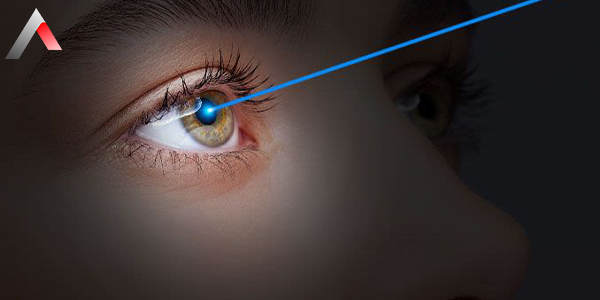
PRK (Photorefractive Keratectomy)

Another Way to Get Rid of Glasses and Lenses

As A Life Health Group, we aim to provide the highest quality healthcare services to patients of all ages. Photorefractive keratectomy (PRK) is a safe and effective laser surgery method used to correct vision disorders such as myopia, hyperopia, or astigmatism.

What is Photorefractive Keratectomy (PRK)?

Photorefractive keratectomy (PRK) is a laser surgery method used to reshape the cornea (the transparent outer layer of the eye). During the surgery, the top layer of the cornea (epithelium) is removed, and a laser beam is applied to the cornea to change its curvature. This procedure allows light to focus correctly inside the eye, correcting vision disorders and reducing or eliminating the need for glasses or contact lenses.

Photorefractive_Keratectomy__PRK__53e0a019.webp

Who is Photorefractive Keratectomy (PRK) Recommended For?

Photorefractive keratectomy (PRK) may be recommended in the following cases:

  • Myopia: Blurred vision at a distance.
  • Hyperopia: Blurred vision up close.
  • Astigmatism: Blurred vision due to the cornea being shaped differently along different axes.
  • Thin Cornea: If the corneal thickness is insufficient for LASIK surgery.
  • Corneal Diseases: If LASIK surgery is not suitable for certain corneal diseases such as keratoconus.
  • Dry Eyes: If there is a high risk of dry eyes after LASIK surgery.

What is Myopia?

Myopia is a refractive error that occurs when light entering the eye does not focus correctly on the retina. This condition can result from factors such as an eyeball that is longer than normal or excessive curvature of the cornea. People with myopia can usually see nearby objects clearly, while distant objects appear blurry.

Myopia can be caused by genetic factors, environmental influences, and excessive eye strain. It may begin at an early age and can progress over time.

What_is_Myopia_1d55bd46.webp

What is Myopia Surgery?

Myopia surgery is a surgical procedure performed to correct the myopia problem in the eye. During the surgery, the shape of the cornea is altered, allowing light to focus correctly on the retina. This surgical intervention treats myopia and can eliminate patients' dependence on glasses or contact lenses.

As A Life Health Group, we guide the myopia surgery process in the most suitable way for you and use the most advanced technology to achieve successful results.

Types of Myopia Surgery

There are several surgical methods for myopia surgery. As A Life Health Group, we offer personalized treatment options for each patient. Here are the most common types of myopia surgery:

1.LASIK (Laser-Assisted In Situ Keratomileusis)
LASIK is one of the most commonly used methods for myopia treatment. In this method, the shape of the cornea is changed using a laser. A thin flap is created from the upper layer of the cornea, and the underlying tissue is reshaped with a laser. This allows light to focus more accurately on the retina.

  • Advantages:
    • Fast recovery process.
    • Generally painless.
    • Clear vision achieved in a short time.
  • Risks:
    • Risk of corneal thinning.
    • Side effects such as dry eye.

2.PRK (Photorefractive Keratectomy)
Unlike LASIK, in PRK the upper layer of the cornea is completely removed before the cornea is reshaped with a laser. This is generally suitable for patients with thinner corneas.

  • Advantages:
    • No corneal flap is created, reducing the risk of thinning.
    • Short recovery period.
  • Risks:
    • Recovery may take slightly longer.
    • Temporary blurred vision.

3.SMILE (Small Incision Lenticule Extraction)
SMILE is a procedure performed without making a corneal flap. In this method, corneal tissue is removed using laser beams. Since no flap is created in the eye, this procedure is generally less invasive.

  • Advantages:
    • Less tissue loss.
    • Lower risk and side effects.
  • Risks:
    • Being a newer method than LASIK and PRK, long-term results are more limited.

What is Myopia Laser Surgery?

Myopia laser surgery is a modern surgical procedure used to correct myopia in the eye. The shape of the cornea is altered using laser beams, allowing light to focus accurately on the retina. Laser myopia treatment eliminates the need for glasses or contact lenses, providing clearer vision.

As A Life Health Group, we ensure safe and effective results with the latest technology laser devices and our expert team used in these types of surgeries.

Myopia Surgery Recovery Process

The recovery process after myopia surgery may vary depending on the surgical method used. However, some general recovery steps observed after myopia surgery are as follows:

  • First 24-48 Hours: After the surgery, side effects such as blurred vision, stinging, or tearing may occur. This is a normal part of the healing process. Your eye doctor may prescribe eye drops to manage discomfort.
  • First Week: Full recovery of the eyes may take a few days. Severe light sensitivity and blurred vision are common during this period.
  • Later Period (1-3 Months): Complete healing of the eyes may take several weeks. During this time, the use of glasses or lenses may be completely discontinued. Regular check-ups are performed until vision quality stabilizes.

Benefits and Risks of Myopia Surgery

Benefits:

  • Permanent Solution: Myopia surgery provides a permanent solution that eliminates the need for glasses and lenses.
  • Painless Recovery: Laser procedures are generally painless and the recovery process is relatively quick.
  • High Success Rate: High success rates are achieved with LASIK and other laser surgical methods.

Risks:

  • Dry Eyes: Temporary dry eyes may occur in some patients after surgery.
  • Visual Disturbances: Some patients may experience side effects such as night vision problems, halos around lights, or blurred vision.
  • Insufficient Results: Rarely, the need for glasses or lenses may persist. Additional surgical intervention may be required.
Who is Suitable for Myopia Surgery?

Myopia surgery is generally suitable for healthy individuals aged 18 and above. However, factors such as whether the eye structure is appropriate, individual health status, and the degree of dependence on glasses or lenses are also evaluated. A Life Health Group determines the most suitable treatment method for each patient through a personalized examination.

What is Astigmatism and How Does It Occur?

Astigmatism is defined as the condition in which light does not focus correctly on the retina. The main cause of this is irregularities in the shape of the cornea or lens. Generally, in astigmatism, the cornea is not round but has an irregular shape, similar to a basketball. This irregularity prevents the eye from focusing light properly.

Normally, light enters the eye through the cornea at the front and, after passing through the lens, focuses on a single point on the retina. In astigmatism, however, light focuses on multiple points due to the shape irregularity of the eye, leading to blurred or distorted vision.

Astigmatism is usually congenital, but it can sometimes develop after eye injuries or surgical procedures.

What_is_Astigmatism_aedf2ca6.webp
What Are the Symptoms of Astigmatism?

Astigmatism can cause a range of symptoms due to the irregular shape of the eye. These usually start mildly and gradually but may become more noticeable over time. A Life Sağlık Grubu has listed the common symptoms of astigmatism:

  • Blurred or Double Vision: Objects at both near and far distances may appear blurry or distorted.
  • Eye Fatigue and Pain: Prolonged reading, computer use, or close-up work can lead to eye fatigue and discomfort.
  • Headaches: Frequent headaches may occur because the eyes cannot focus properly.
  • Light Halos and Glare: Especially at night, halos may appear around lights.
  • Difficulty Seeing: Visual acuity may decrease, and the field of vision may narrow.
Types of Astigmatism

Astigmatism can be classified into different types depending on the type of shape irregularity:

  • Circular (Regular) Astigmatism: The irregularity in the cornea or lens is symmetrical and occurs in a specific pattern. This type of astigmatism is the most responsive to treatment.
  • Irregular Astigmatism: The shape irregularity in the eye is asymmetrical and occurs in a more irregular manner. This type of astigmatism is generally more difficult to treat.
  • Congenital Astigmatism: This type of astigmatism is present from birth and usually results from genetic factors.
  • Acquired Astigmatism: This type of astigmatism develops after eye injuries or surgical interventions.
Causes of Astigmatism

Astigmatism is generally caused by irregularities in the shape of the cornea or lens, which prevent light from focusing correctly on the retina. The main causes of astigmatism are:

  • Genetic Factors: Astigmatism is often hereditary and can be common among family members.
  • Shape Irregularities in the Eye: If the cornea or lens is not perfectly round, light cannot focus correctly on the retina.
  • Eye Injuries: Injuries to the eye can lead to shape irregularities.
  • Corneal Diseases: Certain eye conditions, such as keratoconus, can thin or distort the cornea, triggering astigmatism.
  • Surgical Interventions: Some eye surgeries may result in astigmatism.
How Do People with Astigmatism See?

The visual experience of astigmatism patients can generally include the following:

  1. Blurry Vision:
    In astigmatism, objects, especially at a distance, appear blurry. This occurs because light does not focus correctly on the retina. Astigmatism patients may not achieve clear vision when looking at distant objects, reading, or observing faraway items. Blurriness can also occur at close range.

  2. Distorted Vision:
    Astigmatism patients may see distortions and curves even in straight lines. This is especially noticeable on screens and printed materials. For example, a letter or number that should appear straight may look slanted or warped.

  3. Light Halos:
    Patients with astigmatism may see halos or glare around lights, especially at night. This occurs due to the scattering of light on the retina.

  4. Poor Contrast Sensitivity:
    Astigmatism can make it difficult to distinguish objects in low-light conditions (e.g., in the evening or in dark rooms). Vision may be reduced due to loss of contrast.

How Do People with Astigmatism See According to Different Types?

Astigmatism can vary in type, and the level of visual impairment differs for each type. At A Life Sağlık Grubu, we summarize the differences in visual experience according to astigmatism types as follows:

  1. Uncorrected Astigmatism:
    If astigmatism is not treated, it causes a blurry, distorted, and straining visual experience. People may not see objects at a distance clearly, and reading or observing close objects can also be more difficult.

  2. Mild Astigmatism:
    In mild astigmatism, patients may experience slight blurriness in their vision. However, this type of astigmatism is usually easily corrected with glasses or contact lenses, improving visual quality.

  3. Moderate Astigmatism:
    In moderate astigmatism, patients experience more noticeable vision problems. Blurry and distorted vision can occur at both near and far distances. In this case, the use of glasses or contact lenses is necessary to correct vision.

  4. Severe Astigmatism:
    In severe astigmatism, light focuses at multiple points, causing significant blurriness and vision loss. Severe astigmatism requires correction through laser treatment (e.g., LASIK) or glasses.

Astigmat Vision Experience: Examples

At A Life Health Group, we provide a few examples to help you better understand the visual experience of people with astigmatism:

  • Blurry Text: Due to astigmatism, the text you read may appear blurry. For example, when reading a newspaper, letters may appear to blend together.
  • Distorted Images: A person with astigmatism may notice that lines that are normally straight appear curved when looking at an image.
  • Effect of Lights: While driving at night, it is possible to see halos around oncoming headlights or experience glare from bright lights.
  • Distant Objects: When looking at a building or sign far away, astigmatism patients may see the object as blurry and distorted.
Astigmatism Treatment: How Can It Be Corrected?

Astigmatism treatment may vary depending on the type and severity of the eye disorder. At A Life Health Group, the main methods we apply in astigmatism treatment are as follows:

  1. Glasses and Contact Lenses
    The most commonly used method in astigmatism treatment is glasses or contact lenses. These optical devices are specially designed to ensure that light focuses correctly on the retina. Cylindrical lenses specifically for astigmatism correct the shape irregularities in the eye, providing clear vision.

  2. Laser Treatment (LASIK or PRK)
    For those seeking a permanent solution to astigmatism, laser treatment (LASIK or PRK) is a popular option. Laser treatment reshapes the cornea, allowing light to focus correctly on the retina. LASIK is the most commonly used laser treatment method, but other procedures like PRK can also be effective in treating astigmatism.

  3. Astigmatism Surgery (Corneal Implants)
    In some cases, surgical interventions such as corneal transplants or implants may be required for astigmatism treatment. These procedures can help permanently correct the shape irregularities in the eye.

Improving Vision with Astigmatism Treatment

Astigmatism can be treated, and visual clarity can be restored. At A Life Health Group, we offer different options for astigmatism treatment:

  1. Glasses and Lenses:
    The most common method for treating astigmatism is glasses or contact lenses. Cylindrical lenses specifically designed for astigmatism correct the vision disorder by focusing light properly.

  2. Laser Treatment (LASIK, PRK):
    Astigmatism in the eye can be permanently corrected with laser treatment (LASIK or PRK). Laser treatment reshapes the cornea and improves visual quality.

  3. Surgical Intervention:
    In some advanced cases of astigmatism, corneal transplant or astigmatism surgery may be required. These surgeries are used to address more severe astigmatism issues.

What is Myopic Astigmatism?

Myopic astigmatism is a condition in which two different refractive errors, myopia and astigmatism, occur together.

  • Myopia (nearsightedness) allows clear vision of nearby objects but causes distant objects to appear blurry. This can result from the eye being longer than normal or the cornea being curved.
  • Astigmatism occurs when the cornea or lens of the eye has an irregular shape, preventing light from focusing properly on the retina. This causes blurred and distorted vision at both near and far distances.

In patients with myopic astigmatism, both refractive errors are present simultaneously, meaning the patient cannot see nearby objects clearly and experiences blurry and distorted vision at all distances due to improper light focus.

What_is_Myopic_Astigmatism_0110bad7.webp
What Are the Symptoms of Myopic Astigmatism?

People with myopic astigmatism commonly experience the following symptoms:

  • Blurred Vision: Objects appear blurry at both near and far distances. Achieving clear vision for distant objects is difficult.
  • Eye Fatigue: Prolonged reading, computer use, or other visual activities can cause eye strain and fatigue.
  • Headaches: Problems with eye focusing may lead to headaches, especially during tasks that require extended concentration.
  • Double Vision: Irregularities in the eye’s shape can cause objects to appear doubled.
  • Light Halos and Glare: At night, halos or glare around lights may be noticeable.

These symptoms can negatively impact daily life and may worsen if left untreated.

What Causes Myopic Astigmatism?

The primary cause of myopic astigmatism is the coexistence of both refractive errors in the eye. Factors contributing to its development include:

  1. Genetic Factors: Myopia and astigmatism are often hereditary. If these refractive errors exist in a family’s genetic makeup, there is a higher likelihood of children developing them.
  2. Changes in Eye Structure: Myopic astigmatism can result from changes in the shape of the cornea or lens. If the cornea is oval rather than round, astigmatism can occur. Additionally, the length of the eyeball can contribute to myopia.
  3. Aging: With age, structures in the eye may change. Over time, the natural shape of the lens and cornea can be altered, leading to myopic astigmatism.
  4. Eye Injuries or Surgical Interventions: Trauma or eye surgeries can lead to the development of myopic astigmatism. Surgical procedures can especially change the shape of the cornea.
  5. External and Environmental Factors: Prolonged screen time, extensive reading, and similar activities can trigger myopia and astigmatism.
Myopic Astigmatism Treatment: How Is It Corrected?

Myopic astigmatism treatment aims to correct both refractive errors in the eye. At A Life Health Group, the main methods we use for treating myopic astigmatism are:

1.Glasses and Contact Lenses

Glasses and contact lenses are the most commonly used solutions for myopic astigmatism treatment. These optical devices use specially designed cylindrical lenses to correct both refractive errors simultaneously. The lenses correct both myopia and astigmatism at the same time, providing clear vision.

2.Laser Treatment (LASIK and PRK)

Laser treatment methods such as LASIK and PRK permanently correct myopic and astigmatic errors in the eye. The laser reshapes the cornea, ensuring that light focuses correctly on the retina. This method can be a highly effective solution for patients with myopic astigmatism.

  • LASIK: The cornea is reshaped through a small incision on its surface.
  • PRK: Unlike LASIK, the laser is applied directly to the corneal surface. This method is generally less invasive.

3.Surgical Intervention

In severe myopic astigmatism, laser treatment may not be sufficient, and surgical intervention may be required. Corneal transplantation or astigmatism surgery can be applied to treat advanced myopic astigmatism. These surgeries are performed to correct structural abnormalities in the eye.

Recovery Process After Myopic Astigmatism Treatment

In myopic astigmatism treatment, vision is usually corrected with glasses or contact lenses, while recovery can take longer after laser treatment or surgical intervention. After LASIK or PRK, patients can return to daily activities within a few days, but full recovery and optimal vision quality may take several weeks. In surgical interventions, the recovery period can be longer, and patients should follow their doctor's recommendations.

What is Hyperopia? A Detailed Guide with A Life Health Group

Hyperopia is one of the refractive errors of the eye and usually occurs when light does not focus properly on the retina. This condition causes nearby objects to appear blurry while distant objects are seen more clearly. Hyperopia is commonly known as “farsightedness.” So, what is hyperopia, what are its symptoms, and how is it treated? At A Life Health Group, we have prepared a comprehensive guide to help you understand hyperopia and learn about treatment options.

Hyperopia occurs when the eye is shorter than normal or the cornea or lens of the eye is not properly shaped. Normally, light passes through the cornea and lens and focuses at a single point on the retina. However, in hyperopic eyes, light focuses behind the retina, causing blurry vision.

What_is_Hyperopia_10e6a981.webp
What Causes Hyperopia?

Hyperopia usually develops due to the following conditions:

  1. Short Eye: Hyperopia often occurs when the eye’s anterior-posterior length is short. A shorter eyeball prevents light from focusing correctly on the retina.
  2. Irregular Cornea or Lens: If the cornea or lens of the eye is not properly shaped, light may not focus correctly.
  3. Genetic Factors: Hyperopia is often hereditary. That is, individuals with a family history of hyperopia have a higher risk of developing the condition.
  4. Aging: As we age, the natural lens of the eye may lose its flexibility, leading to hyperopia. This condition is called presbyopia (age-related near vision loss).
What Are the Symptoms of Hyperopia?

People with hyperopia generally experience the following symptoms:

  1. Blurry Near Vision: Hyperopic patients may have difficulty seeing nearby objects clearly. Blurriness can occur when reading a book or looking at a phone screen.
  2. Headaches: Excessive eye muscle effort can cause headaches and eye fatigue in hyperopic patients. Headaches are more common during tasks that require prolonged focus, such as using a computer or reading.
  3. Eye Fatigue: Focusing on near objects for extended periods can tire the eye muscles, leading to eye pain and fatigue.
  4. Red or Watery Eyes: Excessive effort to focus can cause the eyes to become red or watery.
  5. Night Vision Problems: Some hyperopic patients may experience difficulties seeing in low light or while driving at night. Focusing problems in the eye can affect night vision.
How Is Hyperopia Diagnosed?

Hyperopia is usually diagnosed by an eye doctor during an eye examination. The eye doctor determines the refractive error through several tests:

  1. Refraction Test: The eye doctor shows the patient different lenses and asks which one provides clearer vision. This test is used to determine the presence of hyperopia.
  2. Ophthalmoscopy: The eye doctor examines the inside of the eye to check the health of the retina and optic nerve.
  3. Tonometry: Measuring the intraocular pressure helps rule out other eye conditions such as glaucoma.
Hyperopia Treatment

Hyperopia is generally treated with glasses, contact lenses, or laser therapy. A Life Health Group lists the main methods used for hyperopia treatment as follows:

1.Glasses and Contact Lenses

The most commonly used methods for hyperopia treatment are glasses and contact lenses. These optical devices help focus light correctly onto the retina. Lenses specially designed for hyperopia improve near vision clarity. Glasses are an effective treatment option, especially for children and older adults.

2.Laser Treatment (LASIK and PRK)

Laser treatment is used to permanently correct refractive errors in the eye. LASIK (Laser-Assisted in Situ Keratomileusis) and PRK (Photorefractive Keratectomy) are widely used laser methods for hyperopia treatment. These laser procedures reshape the cornea to ensure that light focuses correctly on the retina.

  • LASIK: The corneal tissue is reshaped with a laser. The procedure can be completed in minutes, and the recovery period is generally fast.
  • PRK: Laser is applied to the surface of the cornea to correct the focusing problem. PRK may require a slightly longer recovery period compared to LASIK but provides permanent results.

3.Refractive Surgery (Lens Implants)

In severe hyperopia cases, especially in individuals over 40, refractive surgery may be used. This method involves implanting artificial lenses into the eye to ensure correct light focusing.


Advantages of Photorefractive Keratectomy (PRK) Surgery
  • Restoration of Visual Acuity: PRK surgery significantly restores visual acuity and, in most cases, eliminates the need for glasses or lenses.
  • Ease in Daily Life: After surgery, it becomes possible to perform daily activities more easily and comfortably without any discomfort or limitation related to glasses or lenses.
  • Sports and Other Activities: The need for glasses or lenses is eliminated during activities such as sports, swimming, and diving.
  • Cosmetic Improvement: Eliminating the need for glasses or lenses positively affects the person’s facial appearance.
How Photorefractive Keratectomy (PRK) Surgery is Performed

PRK surgery is performed under local anesthesia without the need for general anesthesia. The surgical process involves the following steps:

  • Removal of Epithelium: The outer layer of the cornea (epithelium) is surgically removed.
  • Laser Application: After the epithelium is removed, a laser beam is applied to the cornea to reshape its curvature.
  • Recovery: Once the laser procedure is completed, the corneal epithelium heals naturally.
Recovery Process After Photorefractive Keratectomy (PRK) Surgery

The recovery process after PRK surgery is longer compared to LASIK surgery. Postoperative symptoms may include mild eye pain, blurred vision, light sensitivity, or redness. These complaints usually resolve within 1–2 weeks.

Postoperative Care Guidelines:
  • Use the medications prescribed by your doctor regularly.
  • Avoid rubbing your eyes.
  • Prevent water from coming into contact with your eyes.
  • Avoid heavy lifting and strenuous activities.
  • Attend regular follow-up appointments as instructed by your doctor.
Postoperative Complaints After Photorefractive Keratectomy (PRK) Surgery:
  • Pain: Mild eye pain after surgery is normal. You can manage the pain with painkillers prescribed by your doctor.
  • Blurred Vision: Temporary blurred vision may occur after surgery.
  • Light Sensitivity: You may experience light sensitivity after surgery.
  • Eye Redness: Redness in the eyes may occur postoperatively.
  • Dry Eye: There is a risk of dry eyes after surgery.
Risks of Photorefractive Keratectomy (PRK) Surgery:

Like any surgical procedure, PRK surgery carries some risks, including:

  • Infection: There is a risk of infection after surgery.
  • Bleeding: There is a risk of bleeding postoperatively.
  • Reduced Visual Acuity: There is a risk of decreased vision clarity after surgery.
  • Dry Eye: There is a risk of dry eyes following the procedure.
Photorefractive Keratectomy (PRK) Surgery at A Life Health Group
  • Experienced medical team: A Life Health Group has a team of experienced physicians specialized in eye diseases.
  • Latest technology: A Life Health Group performs PRK surgeries using the latest technology.
  • Safe and comfortable environment: A Life Health Group ensures that patients receive treatment in a safe and comfortable environment.
  • Personalized treatment: A Life Health Group prepares customized treatment plans for each patient.
  • Affordable prices: A Life Health Group offers services at affordable rates.

Contact us to learn more about Photorefractive Keratectomy (PRK) surgery!

At A Life Health Group, we are here to determine the best treatment option for you and to guide you through the PRK surgery process. We are waiting for you!

Prepared by A Life Medical Editorial Board.

Last Updated: 6 Kasım 2025 14:05

Publish Date: 25 Nisan 2024 10:09

PRK (Photorefractive Keratectomy)

Quick Application Form

Please fill in the fields below so that we can reach you

Related Departments
Related Doctors
Similar Contents

Do you need help?

We are here for all your questions and problems 24/7.