
Droopy Eyelid Surgery (Ptosis)

Rediscover Your Vision and Appearance

At A Life Health Group, we aim to keep your health and well-being at the highest level. In this article, we provide comprehensive information about drooping eyelids (ptosis), which cause the upper eyelid to sag. We will detail what eyelid drooping is, its causes, symptoms, diagnosis, treatment methods, and especially the surgical options. Additionally, you will learn about the difference A Life Health Group makes in this field and the exclusive services we offer.

What is Drooping Eyelid (Ptosis)?

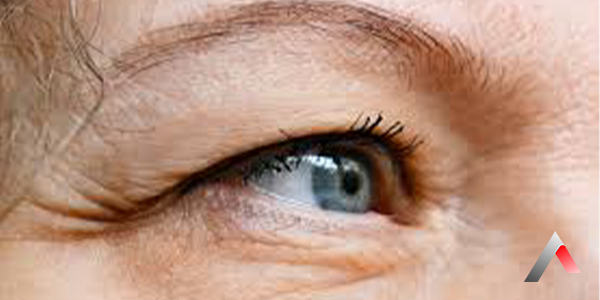
Drooping eyelid (ptosis) occurs when the upper eyelid sags lower than normal, partially or completely covering the pupil. This condition can affect one or both eyes. For some individuals, it is primarily a cosmetic concern, while for others, it can restrict the visual field and negatively impact daily life.

Ptosis can appear in different degrees:

  • Mild ptosis: The eyelid covers the upper part of the pupil.
  • Moderate ptosis: The eyelid covers more than half of the pupil.
  • Severe ptosis: The eyelid completely covers the pupil, potentially causing significant vision loss.

This condition can hinder visual function in daily activities and may also affect social life and self-confidence.

Drooping_Eyelid__Ptosis__b044a965.webp

What Are the Symptoms of Drooping Eyelid (Ptosis)?

The symptoms of drooping eyelid can vary from person to person, but the most common signs include:

  • Eyelid sagging: The upper eyelid is positioned lower than normal.
  • Visual impairment: The pupil is partially covered, restricting the field of vision.
  • Eye fatigue: The weight of the eyelid increases visual effort throughout the day.
  • Head-tilting habit: Patients may tilt their heads backward to improve their line of sight.
  • Double vision: Can occur if both eyelids are drooping.
  • Cosmetic concerns: Asymmetry in appearance may cause psychological discomfort.

These symptoms are especially noticeable during activities that require focus, such as reading, using a computer, or driving.

What Are the Causes of Drooping Eyelid (Ptosis)?

Drooping eyelid can occur for various reasons. The most common causes include:

  • Congenital anomalies: Developmental defects in the muscle responsible for lifting the eyelid.
  • Nerve damage: Loss of nerve function due to trauma, paralysis, tumors, or infections.
  • Muscle diseases: Conditions such as myasthenia gravis that cause muscle weakness.
  • Aging: Loosening of eyelid muscles with advancing age.
  • Post-surgical changes: Weakening of the muscles following previous eye or eyelid surgeries.
  • Trauma: Injuries to the eye can damage the eyelid muscles and ligaments.

This condition can occur at any age due to different causes and can be effectively managed with proper diagnosis and appropriate treatment.
How Is Drooping Eyelid (Ptosis) Diagnosed?

The diagnostic process begins with a detailed eye examination. A specialist evaluates the height and movement of the eyelid and checks for any accompanying eye conditions.

Methods used for diagnosis include:

  • Vision tests: To detect loss of visual field.
  • Eyelid function tests: To measure the range of eyelid movement.
  • Electromyography (EMG): To examine the electrical activity of the muscle.
  • Imaging methods: MRI or CT scans to assess possible abnormalities in nerves and muscles.

Early diagnosis is particularly important in childhood, as untreated ptosis can lead to amblyopia (lazy eye).

Drooping Eyelid (Ptosis) Surgery

Ptosis surgery aims to correct the eyelid both aesthetically and functionally. The eyelid muscle is strengthened or reconstructed to lift the eyelid higher, improving the visual field and enhancing aesthetic appearance.

Surgery Features:

  • Usually performed under local anesthesia.
  • A small incision is made on the upper eyelid.
  • The muscle is tightened or supported using a different technique if necessary.
  • The operation lasts approximately 45–60 minutes.

During the postoperative period, mild pain, swelling, and bruising may occur. These symptoms typically resolve within a few weeks. Most patients can return to their daily activities relatively quickly.

Drooping_Eyelid__Ptosis__Surgery_1e685b1e.webp

Postoperative Recovery Process

Key points to follow after surgery:

  • Apply cold compresses to the eye during the first few days.
  • Use prescribed eye drops and ointments regularly as directed by your doctor.
  • Avoid heavy exercise for a period of time.
  • Sleep with your head elevated to reduce swelling and bruising.
  • Most patients notice significant improvement within 1–2 weeks, while the final aesthetic result appears over several months.

Aesthetic and Functional Benefits

Ptosis surgery provides not only medical but also aesthetic benefits:

  • A more open and dynamic gaze
  • Correction of a tired or fatigued facial expression
  • Increased self-confidence
  • Improved comfort in reading, writing, and driving

Therefore, ptosis surgery positively impacts both quality of life and psychological well-being.

Drooping Eyelids in Children

Drooping eyelids in childhood are particularly important because if the eyelid covers the pupil, it can impede visual development and lead to amblyopia (lazy eye). Early detection and treatment of ptosis in children are therefore critical.

Surgery in children is usually performed under general anesthesia. The timing of treatment is determined based on the degree of eyelid drooping and visual development.

Who Is a Candidate for Surgery?

Candidates for drooping eyelid (ptosis) surgery include:

  • Those with significantly restricted visual fields
  • Individuals with aesthetic concerns
  • Children at risk of amblyopia (lazy eye)
  • Those experiencing eyelid drooping due to muscle or nerve issues

Each patient’s situation is unique; therefore, the decision for surgery must always be made after evaluation by a specialist.

The Difference of A Life Health Group in Droopy Eyelid Surgery
  • Expert Medical Team: We provide services with a team of experienced and specialized physicians in the field of droopy eyelid (ptosis) surgery.
  • Personalized Treatment Plans: We create customized treatment plans tailored to the needs of each patient.
  • Safe and Effective Treatment Methods: We use the latest technology and safe treatment techniques.
  • Patient Satisfaction: The satisfaction of our patients is our top priority.
  • Confidentiality: The privacy of your health information is extremely important to us.

Contact Us Now!

To learn more about droopy eyelid surgery and discuss treatment options, please fill out the quick form on our website.

A Life Health Group is here to take care of every aspect of your health.

Prepared by A Life Medical Editorial Board.

Last Updated: 6 Kasım 2025 14:05

Publish Date: 20 Eylül 2024 14:11

Droopy Eyelid Surgery (Ptosis)

Quick Application Form

Please fill in the fields below so that we can reach you

Related Departments
Related Doctors
Similar Contents

Do you need help?

We are here for all your questions and problems 24/7.