

LASIK (Laser-Assisted In Situ Keratomileusis) is a common refractive surgical procedure that corrects vision defects. It is effective in treating refractive errors such as myopia (nearsightedness), hyperopia (farsightedness), and astigmatism. The LASIK procedure begins by creating a thin flap on the cornea, the front surface of the eye, and then reshaping the underlying corneal tissue using a laser.
The steps of the LASIK procedure include:
LASIK is a successful option for correcting vision defects for many people. However, each patient is different, so you should consult an ophthalmologist or refractive surgery specialist to determine your candidacy. LASIK surgery may have side effects and risks, and your surgeon will provide detailed information about the advantages and disadvantages of the procedure.
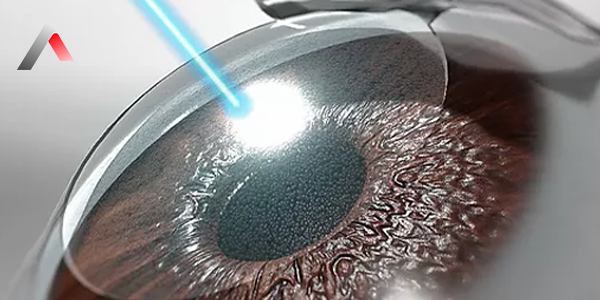
PRK (Photorefractive Keratectomy) is a refractive surgical procedure that corrects vision defects by reshaping the surface layer of the cornea with a laser. It has similar objectives to LASIK (Laser-Assisted In Situ Keratomileusis), but there are some differences between PRK and LASIK procedures.
The steps of the PRK procedure include:
The advantages of PRK may include:
However, the disadvantages of PRK may include:
If you are considering refractive surgical procedures such as PRK or LASIK, you should consult an ophthalmologist or refractive surgery specialist. Your doctor will guide you in determining which procedure is most suitable for you.

LASEK (Laser Epithelial Keratomileusis) is a refractive surgical procedure focused on the surface of the cornea and is used as an alternative to other laser eye surgeries such as LASIK (Laser-Assisted In Situ Keratomileusis) and PRK (Photorefractive Keratectomy). LASEK can help correct vision defects such as myopia (nearsightedness), hyperopia (farsightedness), and astigmatism.
The steps of the LASEK procedure include:
Since LASEK is performed without creating a flap, as in LASIK, it may have some advantages over the LASIK procedure. It can be considered especially for patients who are not suitable candidates for LASIK due to corneal thickness or eye structure.
Before any refractive surgical procedure, it is important to consult an ophthalmologist or refractive surgery specialist. Your doctor will guide you in determining which procedure is most suitable for you and whether you are an appropriate candidate for the procedure.
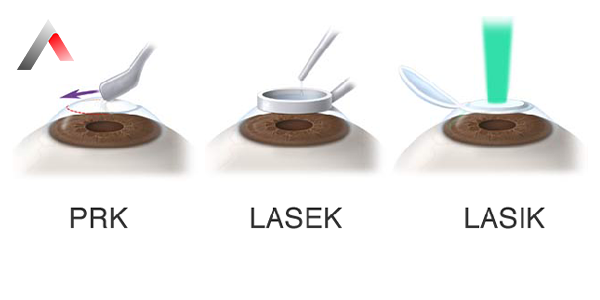
SMILE (Small Incision Lenticule Extraction) is a type of laser eye surgery used to correct vision defects. The SMILE procedure is particularly effective for the treatment of myopia (nearsightedness). SMILE is offered as an alternative to other laser eye surgeries such as LASIK (Laser-Assisted In Situ Keratomileusis) and PRK (Photorefractive Keratectomy).
The steps of the SMILE procedure include:
SMILE is performed without creating a flap, as in LASIK, making it a more suitable option for some patients sensitive to corneal thickness or eye structure. The SMILE procedure may also have advantages in maintaining corneal stability.
However, it is important to have a detailed evaluation with an ophthalmologist or refractive surgery specialist to determine which laser eye surgery is most suitable for you. Since SMILE is a newer technology compared to LASIK or PRK, any local regulations and authorization requirements should also be considered.
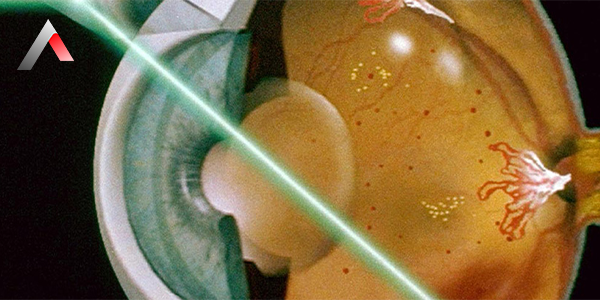
Refractive surgery can be an effective method to correct vision defects; however, every patient is different, and there are important factors to consider before deciding on surgery.
Here are expert recommendations regarding refractive surgery:
Refractive surgery requires careful evaluation and an informed decision-making process. Listening to your ophthalmologist’s advice will help you achieve the best possible outcomes.
The technologies used in refractive surgery have evolved and been updated over time. These technologies have made surgical procedures more precise, safer, and more effective. Here are some commonly used technologies in refractive surgery:
These technologies are some prominent examples used in refractive surgery. However, refractive surgery technology is constantly advancing, and new methods and devices are emerging. Therefore, an ophthalmologist or surgical specialist uses the latest technologies to determine the most suitable treatment options for each patient.
There are a number of important factors to consider after refractive surgery. These factors are crucial to optimize your recovery process and ensure the success of the surgery. Here are some key points to keep in mind after refractive surgery:
A careful recovery process after refractive surgery can affect the success of the procedure and the visual outcomes. Following your doctor’s recommendations and committing yourself to the recovery process will help ensure a smooth and successful healing period.
Last Updated: 6 Kasım 2025 14:05
Publish Date: 25 Nisan 2024 10:09
Please fill in the fields below so that we can reach you
We are here for all your questions and problems 24/7.


 TR Türkçe
 EN English
 0 (850) 888 54 33


 E-Appointment
 E-Appointment
  E-Result



 0 (850) 888 54 33
 WhatsApp
 E-Appointment