

Our body is intertwined with a complex network of nerves and muscles. This network allows us to move, feel, and perform daily activities. Any problem with the muscles and nerves can limit these activities and negatively affect our quality of life. This is where EMG (Electromyography) comes in. EMG is a diagnostic method that measures the electrical activity of muscles and nerves and plays an important role in the diagnosis of neurological diseases.
EMG (Electromyography) is a test that measures the electrical activity of muscles and nerves. Muscles contract through electrical signals sent by nerves. EMG records these signals to assess muscle and nerve functions. The test can be performed by inserting fine needle electrodes into the muscles or by using surface electrodes placed on the skin.
A Life Health Group Touch: The neurology department of A Life Health Group has experienced neurologists specialized in EMG testing. With our state-of-the-art equipment and expert team, we ensure that your EMG test is performed accurately and reliably.
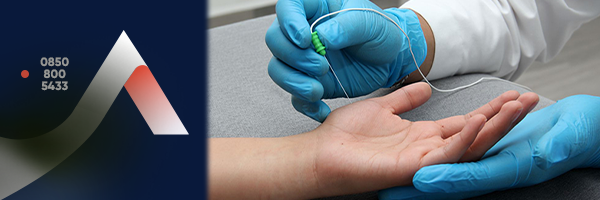
An EMG test is performed to determine the cause of neurological symptoms such as muscle weakness, numbness, tingling, muscle pain, cramps, and paralysis. The test can help detect nerve damage, muscle diseases, or communication disorders between nerves and muscles.
An EMG test can be conducted for the following purposes:
An EMG test may consist of two parts:
Usually, no special preparation is needed before an EMG test. However, it is important to pay attention to some points:
The EMG test is generally a safe procedure. However, some mild side effects may occur:
EMG test results are evaluated by a neurologist. The neurologist diagnoses by assessing the test results together with the patient's complaints, medical history, and other examinations.
EMG test results help evaluate nerve conduction speed, muscle electrical activity, and nerve-muscle transmission. Abnormal results may indicate nerve damage, muscle disease, or nerve-muscle communication disorders.
A Life Health Group Touch: At A Life Health Group, your EMG test results are evaluated promptly and a detailed report is provided to you. Our neurologists discuss your test results with you in detail and provide information about diagnosis and treatment plans.
The EMG test can be used to diagnose many neurological diseases. Some examples are:
The EMG test can be performed in hospital neurology departments, private neurology clinics, and some diagnostic centers.
A Life Health Group Touch: A Life Health Group’s modern and advanced neurology department provides an ideal environment for the EMG test. Our expert neurologists and experienced healthcare staff ensure the test process is comfortable and safe.
EMG test prices may vary depending on the type and scope of the test and the healthcare facility where it is performed. Additionally, you should contact your insurance company to find out whether your health insurance covers the test expenses.
A Life Health Group Touch: A Life Health Group has a transparent policy regarding EMG test prices. Detailed information about the cost of the test will be provided before the test. We can also assist you in contacting your health insurance to find out if the test expenses are covered.
You can use the contact channels of A Life Health Group to request price information or make an appointment.
After the EMG test, you can generally continue your normal activities. You may feel slight pain or discomfort at the needle insertion site, but this usually passes quickly. If there is bruising or swelling at the needle insertion site, you can apply a cold compress.
When your test results are ready, your neurologist will have a consultation with you to explain the results in detail and create the necessary treatment plan.
A Life Health Group Touch: At A Life Health Group, the follow-up and treatment process after the EMG test is carefully managed. Our neurologists will stay in contact with you to provide all the support you need.
A Life Health Group is a healthcare institution specialized in neurology. Our experienced neurologists aim to provide you with the best care using the latest technologies and treatment methods.
What we offer at A Life Health Group for nerve and muscle health:
At A Life Health Group, your nerve and muscle health is our priority. Our expert team is ready to provide you with the best care and help you live a healthy life.
Remember, paying attention to your nerve and muscle health is important for your overall health and quality of life.
Last Updated: 6 Kasım 2025 14:05
Publish Date: 3 Ağustos 2024 23:15
-68b57ee3507984.72476818.webp)
Please fill in the fields below so that we can reach you
We are here for all your questions and problems 24/7.


 TR Türkçe
 EN English
 0 (850) 888 54 33


 E-Appointment
 E-Appointment
  E-Result





 0 (850) 888 54 33
 WhatsApp
 E-Appointment