

What Is Paraplegia?

Paraplegia

Paraplegia is a condition that occurs when the spinal cord is damaged, leading to paralysis or weakness in the legs and lower body. This condition can affect a person’s ability to move, feel sensations, and control bowel or bladder functions. At A Life Health Group, we aim to improve the quality of life for paraplegia patients by offering a comprehensive rehabilitation program.
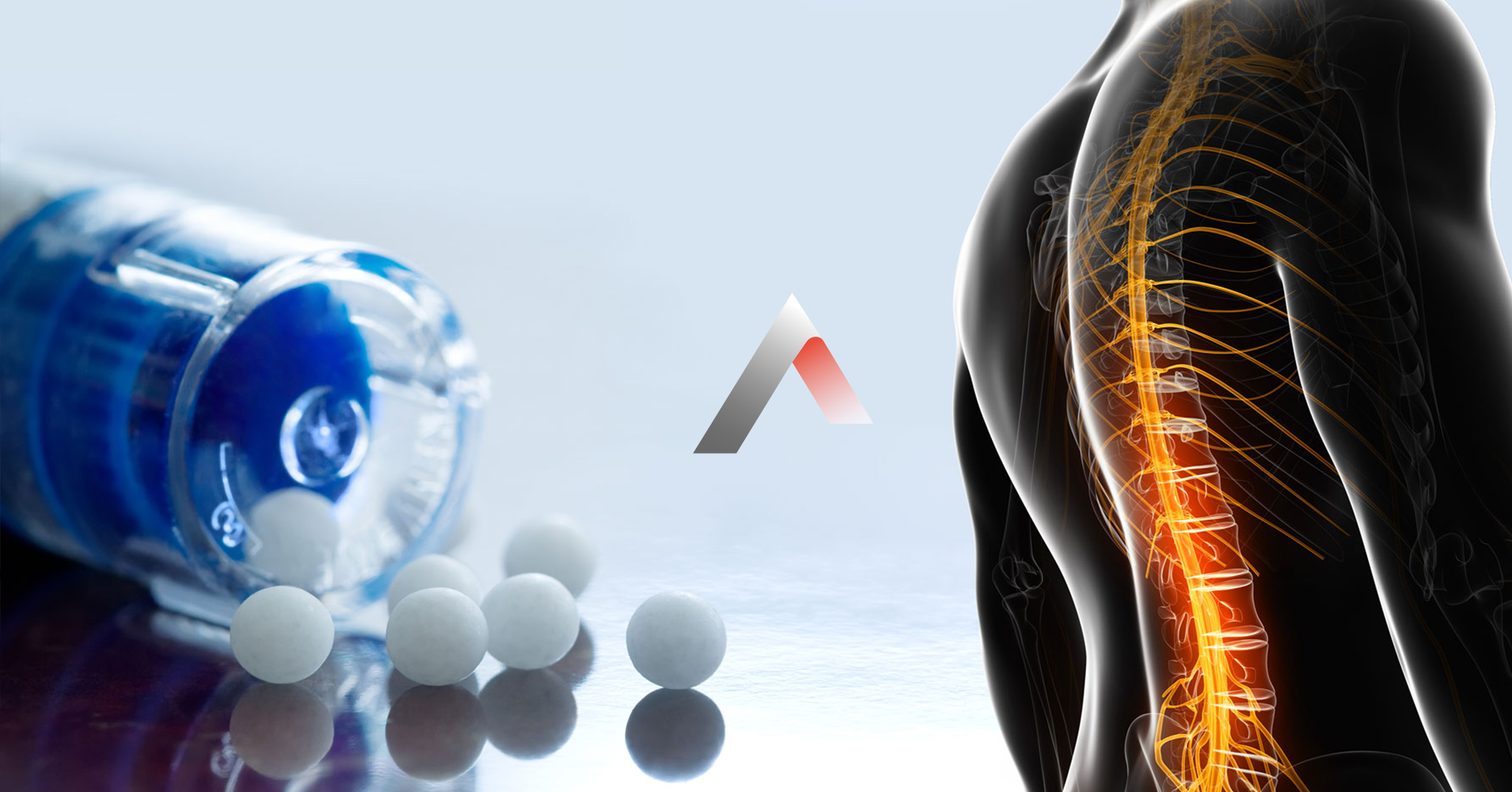
Paraplegia_a26a91da.webp

What Is Paraplegia?

Paraplegia is a type of paralysis that occurs as a result of damage to the thoracic, lumbar, or sacral regions of the spinal cord. This damage disrupts communication between the brain and the legs and lower body. Paraplegia can cause complete or partial paralysis. In complete paralysis, there is no movement or sensation in the legs and lower body. In partial paralysis, some movement and sensation may remain in the legs and lower body.

Causes of Paraplegia

  • Traumatic Injuries: Traumatic events such as car accidents, falls, and sports injuries can cause spinal cord damage and lead to paraplegia.
  • Spinal Tumors: Tumors that form in or around the spinal cord can compress it and result in paraplegia.
  • Infections: Infections affecting the spinal cord (such as meningitis or encephalitis) can lead to paraplegia.
  • Congenital Anomalies: Congenital spinal cord abnormalities, such as spina bifida, can cause paraplegia.
  • Multiple Sclerosis (MS): MS is a disease that affects the central nervous system and can cause spinal cord damage, leading to paraplegia.
  • Spinal Stroke: Interruption of blood flow to the spinal cord can cause damage and result in paraplegia.

Symptoms of Paraplegia

The symptoms of paraplegia can vary depending on the location and severity of the spinal cord injury. Some common symptoms include:

  • Paralysis or weakness in the legs and lower body
  • Loss of sensation in the legs and lower body
  • Loss of bowel and bladder control
  • Sexual dysfunction
  • Back pain
  • Breathing difficulties (depending on the location of the injury)

Diagnosis of Paraplegia

The following methods can be used to diagnose paraplegia:

  • Physical Examination: The doctor evaluates the patient’s movement, sensation, and reflexes.
  • Imaging Techniques: Imaging methods such as X-ray, CT, and MRI are used to determine the location and severity of spinal cord damage.
  • Electrophysiological Tests: Tests such as EMG (electromyography) may be performed to assess nerve conduction and muscle activity.

Paraplegia Rehabilitation

At A Life Health Group Physical Therapy and Rehabilitation Department, a comprehensive rehabilitation program is offered for paraplegia patients.

The goals of the rehabilitation program are:

  • To improve mobility: Enhance the patient’s ability to move and maintain independence through physical therapy exercises, assistive devices (such as wheelchairs and walkers), and other methods.
  • To increase muscle strength and endurance: Strengthen muscles and improve endurance through exercise programs.
  • To improve daily living activities: Enable the patient to perform daily activities such as dressing, eating, and bathing independently.
  • To restore bowel and bladder control: Help the patient regain control over bowel and bladder functions.
  • To manage pain: Use medication, physical therapy, and other methods to reduce pain.
  • To provide psychological support: Offer psychological support to help the patient adapt to paraplegia and improve quality of life.

Advantages of Paraplegia Rehabilitation at A Life

  • Expert Team: Services are provided by an experienced team of physical medicine specialists, physiotherapists, occupational therapists, psychologists, and other healthcare professionals.
  • Personalized Rehabilitation Program: A rehabilitation plan is tailored to each patient’s needs and goals.
  • Advanced Technology: Cutting-edge devices and methods are used throughout the rehabilitation process.
  • Modern and Comfortable Environment: Rehabilitation is carried out in a modern and comfortable setting.

Living with Paraplegia

Paraplegia is a condition that causes significant changes in life. However, with proper rehabilitation and support, individuals with paraplegia can lead independent and fulfilling lives.

The following recommendations may help those living with paraplegia:

  • Participate regularly in the rehabilitation program.
  • Eat a healthy diet and exercise regularly.
  • Pay attention to bowel and bladder health.
  • Be careful with skin care and the prevention of pressure sores.
  • Seek psychological support.
  • Join support groups.

At A Life Health Group Physical Therapy and Rehabilitation Department, we are here to support paraplegia patients and help improve their quality of life. For more information about paraplegia or other rehabilitation needs, please contact us.

Prepared by A Life Medical Editorial Board.

Last Updated: 6 Kasım 2025 14:05

Publish Date: 24 Nisan 2024 17:57

What Is Paraplegia?

Quick Application Form

Please fill in the fields below so that we can reach you

Related Departments
Related Doctors
Secaattin Saçıkay
Spec. Dr. Secaattin Saçıkay

Neurology

Nıshana Zakharova
Spec. Dr. Nıshana Zakharova

Neurology

Medine Nil SÜRSAL
Spec. Dr. Medine Nil SÜRSAL

Neurology

Similar Contents

Do you need help?

We are here for all your questions and problems 24/7.