

Electroencephalography (EEG) is a safe test that measures the electrical activity of the brain. Used in the diagnosis of neurological diseases, EEG provides important information to specialists by monitoring brain waves. This method, applied worldwide since the 1940s, plays a significant role in detecting epilepsy, sleep disorders, and other neurological conditions.
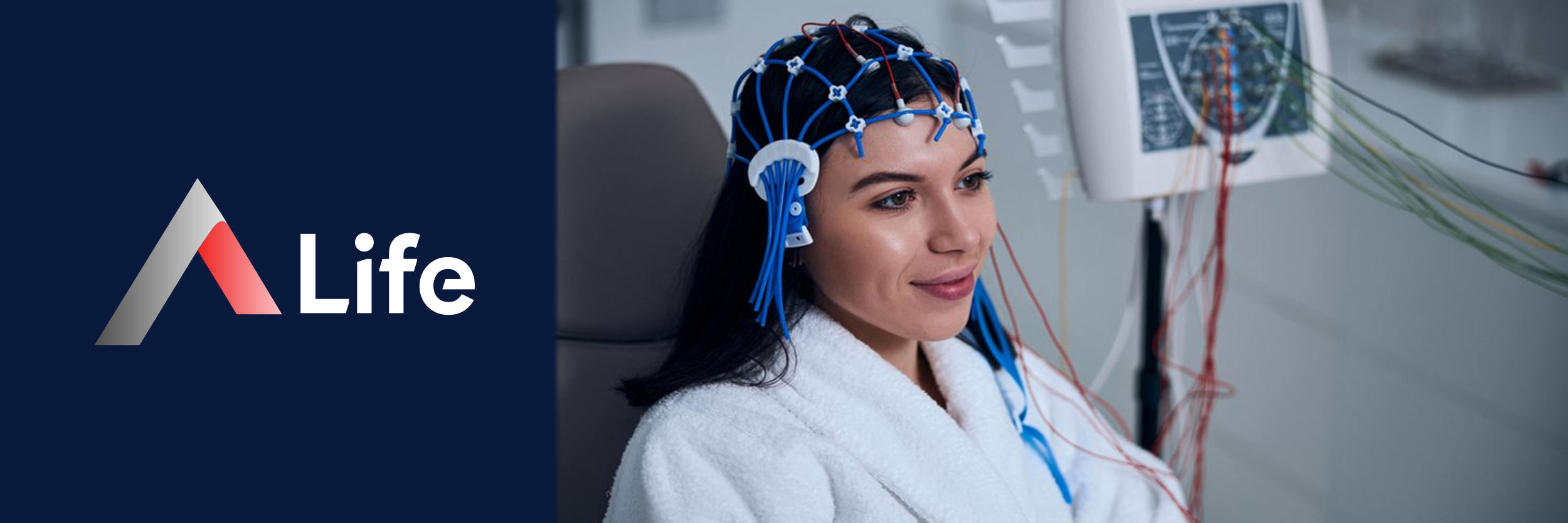
Electroencephalography (EEG) is a test that records and evaluates the electrical activity of the brain. The human brain is a complex structure that produces low electrical currents. The EEG device measures the electrical waves produced by nerve cells in the brain to detect possible functional disorders and helps determine their location.
During the test, special electrodes made of silver or gold alloy are placed on the scalp with the help of gel. With EEG, the communication areas in the brain are monitored, and the health of signal transmission can be analyzed. This method is commonly used in the diagnosis of epilepsy and other neurological diseases.
The EEG test can be applied using different methods depending on the patient’s condition and the suspected neurological disease. The types of EEG determined individually include:
Usually, routine EEG and long-term EEG are the most commonly preferred methods. Long EEG stands out for providing detailed results, while other EEG types can also be used depending on the patient’s condition.
Electroencephalography (EEG) is an important test used in the diagnosis and follow-up of many brain-related diseases. It is especially applied for detecting sleep disorders, brain injury, and neurological conditions.
EEG is one of the most commonly used methods in the diagnosis of epilepsy. In patients suspected of epileptic seizures, abnormal electrical fluctuations or unexpected discharges in the brain are examined in detail to assist in diagnosis. Additionally, EEG can be used to evaluate brain tumors, migraine, stroke, Alzheimer’s disease, and other neurological disorders.
Doctors may request an EEG test depending on the patient’s symptoms and determine the appropriate treatment method based on the test results.
EEG plays an important role in diagnosing many neurological diseases by measuring the brain’s electrical activity. Detailed examination of brain waves allows for early detection of diseases. Many disorders such as epilepsy, dementia, sleep disorders, and traumatic brain injuries can be identified with EEG.
Common diseases and conditions where EEG is used:
EEG testing is critical for early diagnosis of these diseases and helps determine the correct treatment process.
EEG test is a procedure that records the brain's electrical activity through electrodes placed on the scalp with high conductivity. The electrodes are attached to the scalp using a special gel or paste to measure brain waves.
During EEG, certain special tests are performed to measure the brain's electrical responses and better detect seizures:
These procedures are guided by the EEG technician to analyze the brain's responses to various stimuli. Brain waves are recorded digitally and evaluated in detail by specialist doctors.
EEG is a method used to examine brain activity. This method is used in the diagnosis and treatment of brain disorders. It is also used to determine whether brain activity is normal or abnormal. EEG is frequently used in the diagnosis of epilepsy, sleep disorders, brain tumors, and other brain-related conditions.
After the EEG procedure, the electrodes on the patient's scalp are removed and the scalp is cleaned. The patient is not expected to feel any pain or discomfort during this process. Following the EEG, the patient is allowed to resume their normal daily activities.
In Turkey, EEG is a frequently used method for examining brain activity. This procedure is available in many hospitals and healthcare institutions across the country. EEG plays an important role in the diagnosis and treatment of brain disorders.
For the EEG test to yield accurate and reliable results, patients must follow certain important guidelines. Here are the dos and don’ts before the test:
By following these recommendations, the most accurate results can be obtained from the EEG test.
The EEG test is a procedure that many people are curious about and that can raise some questions. Here are some frequently asked questions about EEG and their answers:
EEG (Electroencephalography) is a harmless and non-invasive test that measures the brain's electrical activity. Electrical fluctuations in the brain are recorded through electrodes, providing important information about the brain's functional status. No electricity is applied to the brain during the EEG test; only natural electrical activities are measured.
The EEG test does not cause any side effects and is a safely performed examination. Recording electrical activities in the brain plays an important role in the early diagnosis of diseases and in establishing accurate treatment plans.
The full form of EEG is Electroencephalography. This term originates from Greek and is derived from the following words:
This means recording the brain's electrical activities. The EEG test measures electrical fluctuations in the brain and plays an important role in detecting neurological problems.
These questions provide general information about the EEG test. If you have other questions, it is recommended to contact your doctor.
The EEG test is a harmless and non-invasive procedure. During the test, only natural electrical waves are measured without applying electricity to the brain. When electrodes are placed on the scalp, the process does not cause any pain, discomfort, or side effects. EEG is a completely safe test with no interference to the body.
The test has no harm and does not cause side effects. Therefore, EEG is a widely used and effective method for evaluating brain functions.
An abnormal EEG result means that the electrical activities in the brain deviate from normal. This situation usually indicates functional disorders of the brain. Abnormal EEG results can be seen in the following conditions:
An abnormal EEG does not always indicate a serious condition, but doctors examine these abnormalities and perform other tests and evaluations to make an accurate diagnosis.
An EEG procedure typically lasts between 20 and 40 minutes. However, in some cases, this duration may be extended. Especially in situations requiring more detailed examination, such as sleep disorders, or in EEG tests conducted during sleep, the duration may be longer. This can vary depending on the purpose of the test and the patient's condition.
Since it is important for patients to remain calm and still during the test, the duration may sometimes differ.
A sleep EEG can be performed to detect sleep disorders. To make this test more effective, patients are usually asked to stay awake for 6–8 hours beforehand. This state of sleep deprivation helps make the brain's electrical activity more pronounced and facilitates the person falling asleep during the test.
The duration of sleep deprivation is important for the accuracy of the results and for properly recording the neurological activity that occurs during sleep.
Polysomnography (PSG) is a sleep test performed overnight using wires to collect data in order to assess sleep quality and identify the cause of sleep disorders. During this test, many parameters are monitored, including sleep depth, breathing rhythm, frequency of snoring, breathing pauses, blood oxygen levels, body movements, changes in sleeping position, and heart rhythm.
EEG plays a significant role in sleep testing. By recording the brain’s electrical activities, it helps analyze differences between sleep and wakefulness, sleep stages, and brain dysfunctions. The following issues that occur during sleep can also be detected through EEG recording:
While recording brain electrical activity, EEG aids in evaluating sleep stages and brain functions. The results are reviewed by a specialist physician, enabling accurate diagnosis of potential sleep-related disorders.
Since no electrical signals are transmitted to the body during an EEG test, there is no pain or discomfort involved. The electrodes only collect data from the brain's electrical activity, and this data flows in one direction—recording the electrical signals from the patient. This process is non-invasive and does not involve any intervention in the body, so the patient is not expected to feel any pain, discomfort, or ache during the test.
The electrodes are attached to the scalp using a gel and the procedure is generally well tolerated with ease.
The EEG test plays an important role in identifying various neurological issues in children. Conditions that affect the brain—such as epilepsy, brain infections, and stroke—can be monitored and diagnosed at an early stage through EEG in children.
The EEG test can be performed while the child is awake or asleep. In particular, for young children or infants, the test is often conducted during sleep, as it may be difficult for this age group to remain still, and brain waves become more distinct during sleep.
This test is used to monitor brain functions, detect epileptic seizures, and evaluate other neurological disorders in children.
The EEG test is completely safe and does not pose any health risks. The devices used during the test are operated under the supervision of trained technicians and are highly reliable. EEG is a non-invasive method, meaning no intervention is made to the body, and only the brain’s electrical activity is measured.
Therefore, the EEG test does not cause any pain, side effects, or health risks.
The EEG test is extremely safe and can be performed on pregnant women. The devices and methods used during the test do not affect the baby in the womb in any way. As it is a non-invasive procedure, it does not pose any risk during pregnancy.
EEG testing can be safely used for diagnosing and monitoring neurological conditions in pregnant women.
Anesthesia is not used during an EEG test. Since the procedure is completely non-invasive, there is no need for any numbing or pain-relieving medication. However, in infants or young children, it may be necessary to induce sleep during the test. In such cases, under the supervision of a pediatrician, sleep-inducing medications may be used, and the EEG is performed while the child is asleep.
Apart from this, in adults and older children, EEG is typically performed while the patient is awake.
There is generally no harm in taking regularly used medications before an EEG test. However, it is very important to inform the specialist physician about these medications. If the individual has a specific medical condition, the doctor may recommend that certain medications not be taken on the day of the test.
Therefore, consulting your doctor about the medications you use before the test is the most appropriate approach.
EEG testing does not emit radiation and is an extremely safe procedure. Therefore, there is no risk associated with having it frequently. Since EEG is a non-invasive procedure that records brain electrical activity, it does not cause any harm to health.
This test can be repeated and safely performed in all age groups.

Please fill in the fields below so that we can reach you
We are here for all your questions and problems 24/7.


 0 (850) 888 54 33


 E-Appointment
 E-Appointment
  E-Result




 0 (850) 888 54 33
 WhatsApp
 E-Appointment