
Fallopian Tube Ligation

An Informed Decision and a Safe Procedure

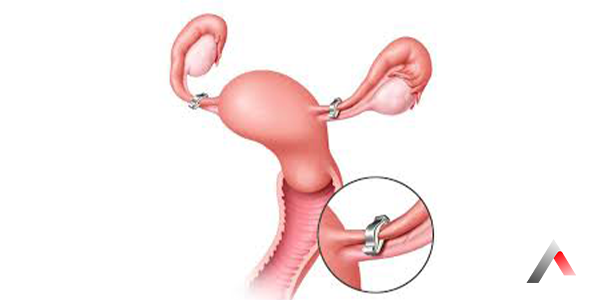
Fallopian tube ligation is a birth control method chosen by women who wish to permanently reduce or completely eliminate the possibility of pregnancy. The fallopian tubes are the channels that carry eggs from the ovaries to the uterus, where fertilization occurs. This procedure involves surgically closing these tubes to prevent sperm from reaching the egg.

At A Life Health Group, we value women’s awareness of birth control options and their ability to lead healthy lives. On this page, you can find detailed information about fallopian tube ligation, helping you make an informed decision and understand the essentials of this safe procedure.

What Is Fallopian Tube Ligation?

Fallopian tube ligation is a birth control method chosen by women who wish to permanently reduce or completely eliminate the possibility of pregnancy. The fallopian tubes are the channels that carry eggs from the ovaries to the uterus, where fertilization occurs. This procedure involves surgically closing these tubes to prevent sperm from reaching the egg.

What_Is_Fallopian_Tube_Ligation_857bfee9.webp

What Are the Reasons for Fallopian Tube Ligation?

Women may choose to undergo fallopian tube ligation for various reasons:

  • Birth Control: Fallopian tube ligation is considered a permanent and effective method of contraception.
  • Health Problems: For some women, especially those with a history of ectopic pregnancy or conditions such as endometriosis, fallopian tube ligation may be an option to prevent health complications.
  • Personal Choice: Some women prefer fallopian tube ligation due to family planning decisions or personal preferences.

What Are the Types of Fallopian Tube Ligation?

The fallopian tube ligation procedure can be performed using different techniques:

  • Laparoscopic Ligation: Small incisions are made in the abdominal wall, and the fallopian tubes are closed using a thin camera and special instruments. This is the most commonly used method.
  • Hysteroscopic Ligation: A thin camera and special tools are inserted through the cervix to reach and close the inner part of the fallopian tubes.
  • Mini Laparoscopy: Similar to laparoscopic ligation but performed with smaller incisions.
  • Cutting and Closing the Tubes: The fallopian tubes are cut and either tied or sealed.

Preparations Before Fallopian Tube Ligation

Before fallopian tube ligation, your doctor will examine you thoroughly and make the necessary preparations for the procedure. These preparations include:

  • Review of Medical History: Your doctor will review your medical history, current medications, and any existing health conditions.
  • Physical Examination: Your doctor will assess your overall health and perform a pelvic examination.
  • Blood Tests: Some blood tests will be done prior to the procedure.
  • Imaging Tests: Ultrasound or other imaging tests may be performed before the procedure.

Fallopian Tube Ligation Surgery

Fallopian tube ligation surgery is performed under general anesthesia. The duration of the surgery depends on the method used and the patient's general health condition.

  • Laparoscopic Ligation: Usually takes 30–60 minutes.
  • Hysteroscopic Ligation: Usually takes 15–30 minutes.

What to Expect After Fallopian Tube Ligation

After fallopian tube ligation, you may need to stay in the hospital for a few hours. The recovery process varies depending on the method used and your general health condition. After the surgery, you can expect the following:

  • Pain: You may experience some pain after surgery. Your doctor may prescribe pain relievers.
  • Wound Care: The surgical incision will require regular care.
  • Activity Restrictions: You should avoid heavy lifting and strenuous physical activities after surgery.
  • Follow-Up Appointments: It is important to attend regular follow-up visits after the surgery.

Are There Any Risks of Fallopian Tube Ligation?

Fallopian tube ligation is generally a safe procedure; however, as with all surgical operations, there are some risks. These include:

  • Infection: As with any surgery, there is a risk of infection.
  • Bleeding: There is a risk of bleeding during or after the procedure.
  • Ectopic Pregnancy: In rare cases, an ectopic pregnancy may occur after fallopian tube ligation.
  • Organ Damage: There is a risk of injury to nearby organs during surgery.

Fallopian Tube Ligation Reversal

Fallopian tube ligation reversal can be performed to restore a woman’s fertility. This procedure requires surgery to reopen the tied fallopian tubes. The success of the reversal depends on factors such as the time elapsed since the ligation, the method used, and the individual’s general health condition.

A Life Health Group Fallopian Tube Ligation Services

At A Life Health Group, we aim to provide women with the best fallopian tube ligation services. Our experienced and specialized gynecologists perform safe and effective procedures in our state-of-the-art operating rooms equipped with the latest technology.

Our services include:

  • Expert Gynecology Consultation: You can consult our experienced gynecologists to learn more about fallopian tube ligation and the most suitable methods for you.
  • State-of-the-Art Operating Rooms: We perform safe and effective surgeries in operating rooms equipped with the latest technology.
  • Laparoscopic Ligation: We prefer the laparoscopic ligation method, which is less invasive and offers faster recovery.
  • Personalized Treatment Plans: We create individualized treatment plans based on each woman’s needs and overall health.
  • Comprehensive Information: We aim to inform you at every stage by providing detailed explanations about the pre- and post-operative process.
  • Patient Satisfaction-Oriented Service: The comfort and satisfaction of our patients are our top priorities.
Frequently Asked Questions

How long does fallopian tube ligation take?
The duration of a fallopian tube ligation surgery depends on the method used and the patient’s general health condition. It usually takes between 30–60 minutes.

When can I have sexual intercourse after fallopian tube ligation?
It is recommended to avoid sexual intercourse during the recovery period advised by your doctor. In most cases, normal sexual activity can be resumed within a few weeks.

How long should I use contraception after fallopian tube ligation?
Protection is required immediately after the fallopian tube ligation procedure. During post-operative follow-up visits, your doctor will provide detailed information about contraception.

How successful is fallopian tube ligation reversal?
The success rate of fallopian tube ligation reversal depends on the time elapsed since the initial procedure, the ligation method, and the individual’s overall health condition. The success rate generally ranges between 50% and 80%.

Request an Appointment with the Quick Form

To learn more about fallopian tube ligation or to schedule an appointment with A Life Health Group, please fill out the form below. Our expert gynecologists will contact you as soon as possible to provide detailed information and offer the most suitable options for you.

A Life Health Group is a healthcare institution that prioritizes women’s health and aims to provide the highest quality medical services.
For more information about fallopian tube ligation or to book an appointment with A Life Health Group, please don’t hesitate to contact us.

Prepared by A Life Medical Editorial Board.

Last Updated: 6 Kasım 2025 14:05

Publish Date: 29 Eylül 2024 12:38

Fallopian Tube Ligation

Quick Application Form

Please fill in the fields below so that we can reach you

Related Departments
Related Doctors
Similar Contents

Do you need help?

We are here for all your questions and problems 24/7.