Myom Surgery

Myom Surgery

Myom surgery is the procedure of surgically removing myomas, which are typically benign tumors that develop in the uterus. Myomas are a common condition in women and, in some cases, can cause pain, bleeding, urinary problems, or fertility issues. Myom surgery aims to relieve these symptoms, preserve the integrity of the uterus, and improve the patient’s quality of life. The surgery can be performed using different techniques—laparoscopic, hysteroscopic, or open surgery—depending on the size, location of the myoma, and the patient’s condition.

Myom_Surgery-_8ac8f6ca.webp

Why Myom Surgery is Performed

Myom surgery is performed to treat or prevent certain health problems caused by myomas, which are benign tumors that develop in the uterus. Myomas are usually not cancerous, but their size and location can lead to various symptoms.

The most common reasons for requiring myom surgery include:

  • Excessive or Painful Menstrual Bleeding: Myomas can cause menstrual bleeding to be excessively heavy or prolonged. This can lead to anemia and negatively affect quality of life.
  • Pelvic Pain and Pressure: Large myomas can create constant pain, pressure, or discomfort in the pelvic area.
  • Frequent Urination or Constipation: Myomas can press on the bladder or intestines, leading to frequent urination or constipation.
  • Infertility or Recurrent Miscarriages: Myomas can distort the shape of the uterus or occupy space inside the uterus, causing infertility or recurrent miscarriages. Myom surgery may be necessary for women who wish to conceive.
  • Rapid Growth of Myomas: Rapidly growing myomas may rarely raise suspicion of cancer, in which case surgery may be required.
  • Large Myomas Causing Pain or Discomfort: In some cases, myomas may cause discomfort due to their size even if they do not produce other symptoms, making surgical removal necessary.

The purpose of myom surgery is to relieve symptoms caused by myomas, preserve or improve fertility, and enhance quality of life. The decision to perform surgery is made by a gynecologist based on the patient’s age, fertility desire, size and location of the myomas, and severity of symptoms.

How Myom Surgery is Performed

Myom surgery is a surgical procedure performed to remove myomas (benign tumors in the uterus). The method of surgery depends on the number, size, and location of the myomas, as well as the patient’s overall health.

The three commonly used methods are:

Hysteroscopy:

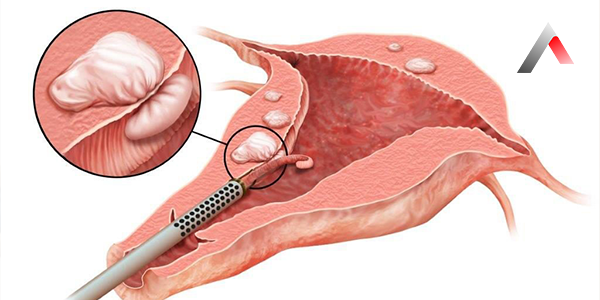
  • In this method, a thin tube (hysteroscope) is inserted into the uterus through the vagina.
  • The hysteroscope allows visualization of the uterine cavity and removal of myomas.
  • It is generally suitable for myomas located inside the uterus, known as submucosal myomas.
  • Since no abdominal incision is made, the recovery process is faster.

Laparoscopy:

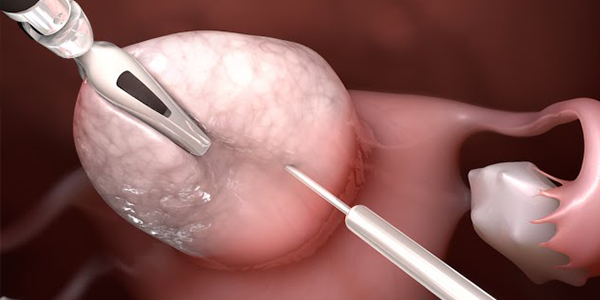
  • Small incisions are made in the abdominal area for this method.
  • A laparoscope and specialized surgical instruments are inserted through these incisions to remove the myomas.
  • It provides less pain, smaller scars, and faster recovery.
  • Generally suitable for myomas located in or on the uterine wall.

Laparotomy (Open Surgery):

  • In this method, a larger incision is made in the abdominal area to remove the myomas.
  • It is preferred for large myomas, multiple myomas, or situations not suitable for laparoscopic surgery.
  • It requires more pain management and a longer recovery period.

After Myom Surgery

The recovery process after myom surgery varies depending on the type of surgery (hysteroscopy, laparoscopy, or laparotomy) and the patient’s overall health.

In general, some important points to consider are:

First Days After Surgery (In the Hospital):

  • Pain Management:
    • Mild pain and discomfort after surgery are normal.
    • Painkillers prescribed by your doctor should be taken regularly.
  • Mobility:
    • Getting out of bed and walking early after surgery is important to speed up recovery.
    • However, excessive physical activity should be avoided.
  • Wound Care:
    • Keeping the surgical area clean and dry reduces the risk of infection.
    • Care for stitches or staples should be done as recommended by your doctor.
  • Nutrition:
    • Initially, you may need to consume liquid foods for the first few hours.
    • Gradually, you can move to light and easily digestible foods.

Going Home and Recovery Process:

  • Medications:
    • Continue to take medications prescribed by your doctor regularly.
  • Wound Care:
    • Follow your doctor’s instructions for wound care.
    • Be attentive to signs of infection (redness, swelling, discharge, fever).
  • Activity:
    • Avoid heavy lifting and strenuous exercise for a period of time.
    • Your doctor will advise you when you can safely return to normal activities.
  • Nutrition:
    • Pay attention to healthy and balanced nutrition.
    • Consuming fiber-rich foods helps with digestion.
  • Rest:
    • Getting enough sleep and rest positively affects the recovery process.
  • Sexual Activity:
    • Your doctor will advise you on when it is safe to resume sexual activity.
  • Menstrual Cycle:
    • Temporary changes in the menstrual cycle may occur after surgery.
    • However, consult your doctor if long-term irregularities persist.
  • Follow-up Appointments:
    • Attending regular follow-up appointments is important to monitor your recovery and detect any potential complications early.
  • Emotional Support:
    • Emotional fluctuations may occur after surgery. If necessary, seek professional psychological support.

Risks of Myom Surgery

Myom surgery, like any surgical procedure, carries certain risks. These risks vary depending on the type of surgery (hysteroscopy, laparoscopy, or laparotomy), the size and location of the myomas, the patient’s overall health, and the surgeon’s experience.

Possible risks of myom surgery:

  • Bleeding: Internal or external bleeding may occur during or after surgery.
  • Infection: Infection can develop at the surgical site or within the abdomen.
  • Anesthesia Complications: Problems such as allergic reactions, respiratory issues, or heart rhythm disturbances may occur due to anesthesia.
  • Organ Injuries: In rare cases, nearby organs (intestines, bladder, ureters) may be damaged.
  • Blood Clots: There is a risk of blood clots in the legs or lungs, especially during periods of immobility.
  • Wound Site Issues: Problems such as wound opening, infection, or excessive scar tissue formation may occur.

Myom Surgery-Specific Risks:

  • Uterine Damage: Rarely, the uterus may be damaged during surgery, which can affect fertility. This risk is higher when removing myomas very close to the uterine wall.
  • Adhesions: Adhesions may form within the abdomen after surgery, causing pain or infertility.
  • Incomplete Removal of Myomas: In some cases, not all myomas can be removed, and additional surgery may be required.
  • Hysterectomy (Uterus Removal): Rarely, especially with very large or complex myomas, removal of the uterus may be necessary. This can be psychologically challenging, particularly for younger patients.
  • Recurrence of Myomas: Myomas may recur after surgery, with a higher risk in younger patients.
  • Damage to the Uterine Lining (Endometrium): Particularly seen in submucosal (within the uterine cavity) myomas.
  • Urinary Tract Infection: May occur postoperatively.

To Reduce Risks:

  • Choosing an Experienced Surgeon: Surgery performed by an experienced gynecologist reduces risks.
  • Preoperative Evaluation: Assessing the patient’s overall health helps identify potential risks.
  • Adhering to Postoperative Care Instructions: Following your doctor’s instructions carefully accelerates recovery and minimizes the risk of complications.

Benefits of Myom Surgery

The benefits of myom surgery vary depending on the symptoms experienced by the patient and the characteristics of the myomas. In general, the main benefits of myom surgery are:

  • Relief from Pain and Discomfort:
    • Large or symptomatic myomas can cause pelvic pain, bloating, pain during sexual intercourse, and frequent urination. Surgery eliminates these symptoms, improving the patient’s quality of life.
  • Reduction or Elimination of Excessive Bleeding:
    • Myomas can cause excessively heavy or prolonged menstrual bleeding. Surgery helps restore normal menstrual flow.
  • Resolution of Infertility Issues:
    • Myomas can interfere with fertility by altering the shape of the uterus or embedding within it, potentially causing infertility or recurrent miscarriages. Surgery can address these issues and enhance the patient’s fertility potential.
  • Relief from Pressure Symptoms:
    • Myomas may press on the bladder or intestines, leading to frequent urination or constipation. Surgery alleviates these complaints.
  • Treatment of Anemia:
    • Surgery helps resolve anemia caused by excessive bleeding.
  • Improvement in Quality of Life:
    • Recurring myoma problems can negatively affect daily life. Surgery allows patients to return to normal activities and enjoy a better quality of life.
  • Uterus Preservation:
    • For women with myomas at a young age who wish to have children, preserving the uterus while removing myomas is of great importance.
Myom_Surgery._6970a893.webp

Myom Surgery at A Life

As A Life Health Group, we aim to provide the most up-to-date information and methods for women’s health. Myomas are tumors that develop in the uterine wall and are usually benign. They may not cause symptoms, but when they grow, they can lead to pain, excessive bleeding, infertility, and urinary problems. Myom surgery can be an effective solution to address these issues.

Frequently Asked Questions About Myom Surgery

What is Myom Surgery?
Myom surgery is the procedure for removing myomas (benign tumors) that develop in the uterus. Medically, it is called myomectomy.

Postoperative Complaints After Myom Surgery
Postoperative complaints may vary depending on the type of surgery, the patient’s condition, and how carefully postoperative care is followed. Some possible complaints after myom surgery include:

Early Postoperative Complaints:

  • Pain: Postoperative pain may be more pronounced, especially after open surgery. It can be managed with prescribed painkillers.
  • Bleeding: Vaginal bleeding or spotting may occur.
  • Infection: There is a risk of infection at the surgical site.
  • Bloating and Gas Pain: Gas problems and abdominal bloating may occur, especially after laparoscopic surgery.
  • Inability to Pass Gas
  • Menstrual Irregularities: Some irregularities in menstruation may occur for a few months after surgery.

Late Postoperative Complaints:

  • Adhesions: Adhesions may form inside the abdomen after surgery, which can cause pain.
  • Recurrence of Myomas: There is a risk of myomas recurring, especially in younger patients.
  • Surgical Scars: Surgical scars may be bothersome.
  • Hernias: The risk of incision site hernias is higher in open myom surgeries.

Postoperative Issues After Myom Surgery
The issues encountered after myom surgery depend on the type of surgery, the patient’s condition, and adherence to the recovery process.

Open Myom Surgery
Open myom surgery involves removing myomas (benign tumors in the uterus) through an incision in the abdominal area. This procedure is medically referred to as "open myomectomy."

Closed Myom Surgery
Closed myom surgery involves removing myomas (benign tumors in the uterus) laparoscopically through small incisions in the abdominal area. It is a less invasive method compared to traditional open surgery.

How Long Does Myom Surgery Take?
The duration of myom surgery depends on the type of surgery, the number, size, and location of the myomas. Generally:

  • Hysteroscopic Myomectomy: This procedure is usually shorter, averaging 30 minutes to 1 hour.
  • Laparoscopic Myomectomy (Closed Surgery): The duration may vary from 1 to 2 hours or longer, depending on the myomas.
  • Open Myomectomy (Laparotomy): This surgery generally takes 1-2 hours but requires a longer recovery period.

What Happens If Myom Surgery is Not Performed?
Myomas are usually benign and do not always require surgery. However, in some cases, myomas can grow or cause certain symptoms.

If myomas are not treated, they may lead to:

  • Excessive Bleeding: Myomas may cause prolonged or heavy menstrual bleeding, leading to anemia and negatively affecting quality of life.
  • Pelvic Pain and Pressure: Large myomas can cause persistent pelvic pain, pressure, or discomfort.
  • Frequent Urination or Constipation: Myomas may press on the bladder or intestines, causing urinary or bowel problems.
  • Infertility or Recurrent Miscarriages: Myomas may distort the uterus or implant inside it, leading to infertility or recurrent miscarriages. This is particularly important for women who wish to conceive.
  • Growth of Myomas: Over time, myomas may grow, intensifying symptoms and leading to additional complications.
  • Rare Malignancy: The risk of myomas turning malignant is very low, but in rare cases, they may develop into a cancer called leiomyosarcoma, especially in rapidly growing or atypical myomas.

Uterine Myom Surgery
Uterine myom surgery (myomectomy) is the surgical removal of myomas, which are benign tumors in the uterus. The surgery is performed to relieve symptoms caused by myomas (pain, bleeding, pressure, etc.), address infertility issues, or preserve the uterus to maintain fertility.

Postoperative Care After Laparoscopic Myom Surgery
Recovery after laparoscopic myomectomy (closed surgery) is generally faster and less uncomfortable compared to open surgery.

Myom Surgery Prices
The cost of myom surgery varies depending on the patient’s condition, the number and size of myomas, and the surgical method. For detailed information about myom surgery prices and to schedule an appointment, please contact us.

Prepared by A Life Medical Editorial Board.

Last Updated: 6 Kasım 2025 14:05

Publish Date: 27 Eylül 2024 03:12

Myom Surgery

Quick Application Form

Please fill in the fields below so that we can reach you

Related Departments
Related Doctors
Similar Contents

Do you need help?

We are here for all your questions and problems 24/7.