


 TR Türkçe
 EN English
 0 (850) 888 54 33


 E-Appointment
 E-Appointment
  E-Result

Endoscopy Unit


Respiratory diseases are common today and can significantly affect quality of life. Bronchoscopy plays an important role in the diagnosis and treatment of these conditions. Bronchoscopy is a method used to visualize the airways (bronchi) and lungs, and to perform certain interventional procedures.
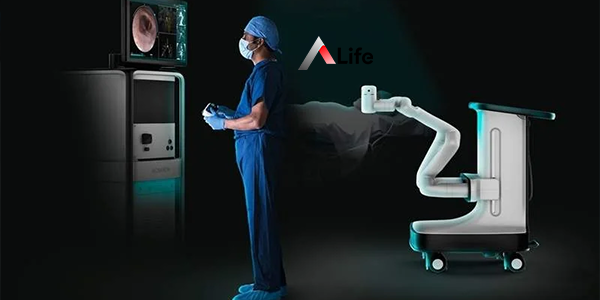
Bronchoscopy is an endoscopic procedure used to examine the airways and lungs. In this procedure, a thin, flexible tube called a bronchoscope is inserted through the nose or mouth into the respiratory tract. The bronchoscope has a camera and a light source at its tip, allowing the doctor to view the airways and lungs on a monitor and, if necessary, take tissue samples or perform treatments.
Bronchoscopy can be performed for various reasons:
There are two main types of bronchoscopy:
Bronchoscopy is generally performed in a hospital or clinic. Before the procedure, the patient should fast, and the use of certain medications may be stopped. During the procedure, the patient may be seated or lying on their side. The nose or mouth is anesthetized, and the bronchoscope is advanced into the airways. The patient may cough or feel mild discomfort during the procedure. After the procedure, the patient is observed for a short period.
Bronchoscopy is generally a safe procedure but carries some risks, including:
Before bronchoscopy, the patient should take the following preparations:
After bronchoscopy, the patient is observed for a short period. There may be a sensation of numbness in the throat, and eating or drinking may be temporarily restricted. It is important to follow the doctor’s recommendations.
Bronchoscopy prices may vary depending on the hospital, the procedure performed, and additional tests. For information about bronchoscopy prices at A Life Health Group hospitals, please contact us.
There are many hospitals and chest disease centers in Ankara where bronchoscopy can be performed. As A Life Health Group, we provide bronchoscopy services at our hospitals in Ankara. With our experienced chest disease specialists and advanced technological equipment, we ensure reliable and fast results.
Although bronchoscopy is generally a safe procedure, some complications may rarely occur. These complications include:
Bronchoscopy plays an important role in the diagnosis of lung cancer. With the help of a bronchoscope, tissue samples (biopsies) can be taken from suspicious areas, and these samples can be pathologically examined to confirm a cancer diagnosis. Additionally, bronchoscopy can provide information about the stage and spread of lung cancer.
Bronchoscopy can also be used in the diagnosis of lung infections. Samples taken from the lungs (sputum, bronchoalveolar lavage fluid) can be examined in the laboratory to identify the microorganisms causing the infection.
Bronchoscopy is an effective method for removing foreign bodies that have entered the airways. With the help of a bronchoscope, the foreign object can be visualized and removed using specialized tools.
Bronchoscopy can be used not only for diagnostic purposes but also for treatment. The following interventional procedures can be performed during bronchoscopy:
After bronchoscopy, the patient is observed for a while, and eating or drinking may not be recommended until the numbness in the throat wears off. Additionally, contact your doctor in the following situations:
As A Life Health Group Pulmonology Center, we are a facility offering advanced diagnostic and therapeutic procedures such as bronchoscopy. Our experienced pulmonologists and state-of-the-art equipment work together to provide you with the best service. For more information about bronchoscopy and to schedule an appointment, please contact us.
Please fill in the fields below so that we can reach you
We are here for all your questions and problems 24/7.

 0 (850) 888 54 33
 WhatsApp
 E-Appointment