


 0 (850) 888 54 33


 E-Appointment
 E-Appointment
  E-Result

Endoscopy Unit
Endoscopy Unit


At A Life Health Group, we prioritize your digestive system health and aim to provide you with the most up-to-date information on diagnostic methods. In this article, we will explore in detail capsule endoscopy, a revolutionary method for diagnosing small intestine diseases.
Capsule endoscopy is a diagnostic method that records images of the small intestine using a camera inside a small capsule swallowed by the patient. It allows detailed examination of areas of the small intestine that are difficult to reach with traditional endoscopic methods. Its painless and comfortable nature makes capsule endoscopy a preferred choice for many patients.
In this article, you can find information about what capsule endoscopy is, who it is applied to, how it is performed, its advantages, and the capsule endoscopy services at A Life Health Group.
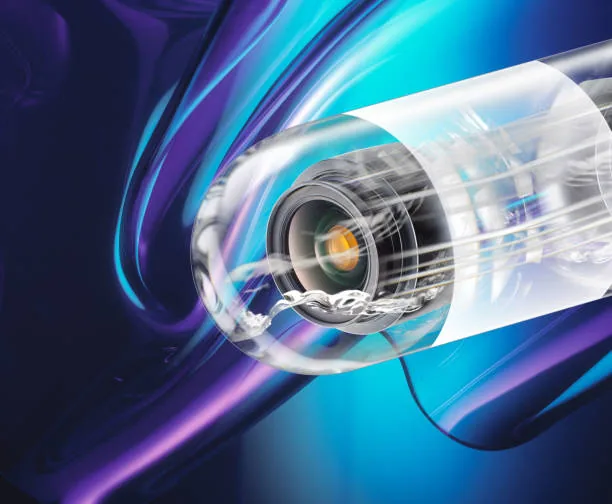
Capsule endoscopy is a diagnostic method used to visualize the inner surface of the small intestine. During the procedure, the patient swallows a capsule the size of a vitamin pill. Inside this capsule, there is a camera, a light source, and a transmitter. As the capsule moves through the digestive system, it captures images of the small intestine and transmits them to a recording device attached to the patient’s waist.
Capsule endoscopy plays an important role in diagnosing small intestine diseases. It is particularly preferred in the following situations:
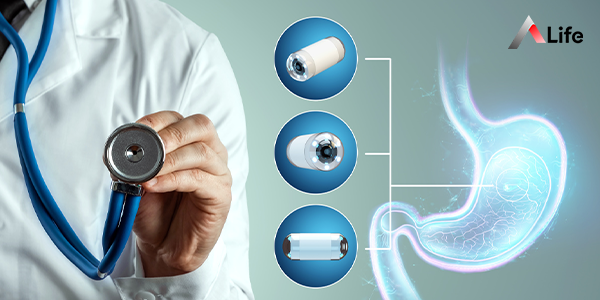
Capsule endoscopy can be applied to patients suspected of having small intestine diseases that cannot be examined in detail with traditional endoscopic methods. However, in some cases, capsule endoscopy may not be suitable:
Before the capsule endoscopy procedure, the patient may need to prepare the small intestine. This preparation usually includes a clear liquid diet and the use of laxative medications.
On the day of the procedure, the patient comes to the endoscopy unit and a recording device is attached to their waist. Then, the patient swallows the capsule with a glass of water. As the capsule moves through the digestive system, it captures images of the small intestine and transmits them to the recording device.
During the capsule endoscopy procedure, the patient can continue normal activities. However, heavy exercise and swimming are recommended to be avoided. The capsule is usually expelled naturally from the body within 8–12 hours.
The recording device is removed approximately 8 hours after the procedure, and the images are transferred to a computer. The doctor examines the images and diagnoses small intestine diseases.
Capsule endoscopy provides many advantages in the diagnosis of small intestine diseases:
Capsule endoscopy is generally a safe procedure. However, rarely the following risks may occur:
At A Life Health Group, we prioritize your digestive system health and offer advanced diagnostic methods such as capsule endoscopy. With our experienced gastroenterology specialists and state-of-the-art equipment, we aim to provide the best service in diagnosing small intestine diseases.
For more information about capsule endoscopy and to make an appointment, you can visit our website or contact us through our communication numbers.
Please fill in the fields below so that we can reach you
Endoscopy is a medical procedure used to visualize the internal parts of the body. In this procedure, a thin, flexible tube called an endosc…
More DetailRespiratory diseases are common today and can significantly affect quality of life. Bronchoscopy plays an important role in the diagnosis an…
More DetailColonoscopy is a medical procedure used to visualize the inner surface of the large intestine (colon) and rectum. In this procedure, a thin,…
More DetailAt A Life Health Group, we prioritize your digestive system health and aim to provide you with the most up-to-date information on diagnostic…
More DetailWe are here for all your questions and problems 24/7.

 0 (850) 888 54 33
 WhatsApp
 E-Appointment