Colonoscopy

Colonoscopy

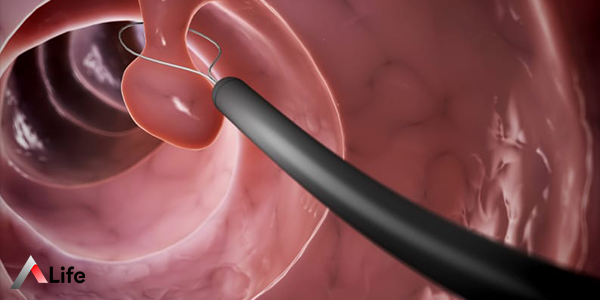
Colonoscopy is a medical procedure used to visualize the inner surface of the large intestine (colon) and rectum. In this procedure, a thin, flexible tube with a camera at its tip, called a colonoscope, is inserted through the anus and advanced into the colon. The colonoscope allows the doctor to examine the inner lining of the colon in detail and detect polyps, tumors, inflammation, or other abnormalities.

It is one of the most effective methods for colorectal cancer screening and diagnosis. It can also be used to determine the cause of colon symptoms such as pain, bleeding, diarrhea, or constipation.
A Life Health Group has an experienced team of gastroenterology specialists trained in colonoscopy. With our advanced endoscopy units and patient-focused approach, we ensure that your colonoscopy procedure is performed comfortably and safely.

What is Colonoscopy?

Colonoscopy is a medical procedure used to visualize the inner surface of the large intestine (colon) and rectum. In this procedure, a thin, flexible tube with a camera at its tip, called a colonoscope, is inserted through the anus and advanced into the colon. The colonoscope allows the doctor to examine the inner lining of the colon in detail and detect polyps, tumors, inflammation, or other abnormalities.

Colonoscopy is one of the most effective methods for colorectal cancer screening and diagnosis. It can also be used to determine the cause of colon symptoms such as pain, bleeding, diarrhea, or constipation.

Colonoscopy_77dc34fd.webp

Why is Colonoscopy Performed?

Colonoscopy may be performed for the following reasons:

  • Colorectal cancer screening: To detect colon cancer early in adults aged 50 and over or in individuals with risk factors such as a family history.
  • Evaluation of colon symptoms: To investigate the cause of abdominal pain, rectal bleeding, diarrhea, constipation, weight loss, or anemia.
  • Removal of colon polyps: Polyps (abnormal tissue growths on the colon lining) detected during colonoscopy can be removed, helping reduce the risk of colon cancer.
  • Assessment of inflammatory bowel disease (IBD): Colonoscopy is used for the diagnosis and follow-up of IBDs such as Crohn’s disease and ulcerative colitis.

Who Should Have a Colonoscopy?

  • Adults over 50: Everyone over the age of 50 should undergo colonoscopy.
  • Those with a family history: If there is a family history of colon cancer, colonoscopy should be done at an earlier age.
  • Individuals with symptoms: If you experience changes in bowel habits, blood in stool, abdominal pain, or unexplained weight loss, you should have a colonoscopy.

How to Prepare for Colonoscopy

Before a colonoscopy, your colon must be completely clean so the doctor can clearly see the inner lining. Your doctor will give detailed instructions on how to prepare, which generally include the following:

  • Clear liquid diet: The day before the procedure, consume only clear liquids such as water, juice, and broth.
  • Bowel-cleansing medications: You may need to take bowel-cleansing medications (oral solutions or enemas) the day before or on the day of the procedure.
  • Stopping certain medications: Some medications, such as blood thinners, may need to be paused before the colonoscopy.

Colonoscopy Diet

The diet before a colonoscopy is crucial for a completely clean colon and to allow the doctor to clearly see the colon lining. This diet usually starts 3 days before the procedure and involves gradually restricting solid foods.

Diet Stages for Colonoscopy:

  • 3 days before:
    • Reduce high-fiber foods: Limit fruits, vegetables, whole grains, and legumes. Opt for easily digestible foods like white bread, white rice, pasta, boiled potatoes, chicken, fish, and eggs.
    • Drink plenty of water: Aim for 8–10 glasses per day.
  • 2 days before:
    • Eliminate high-fiber foods completely: Avoid fruits, vegetables, whole grains, legumes, nuts, and seeds.
    • Limit dairy products: Reduce consumption of milk, yogurt, and cheese.
    • Continue drinking plenty of water.
  • 1 day before:
    • Consume only clear liquids: Water, apple juice, grape juice, chicken broth, beef broth, unsweetened tea, unsweetened coffee, jelly, ice pops, or unsweetened sports drinks. Avoid red or purple liquids.
    • Take bowel-cleansing medication as prescribed by your doctor.
  • On the day of the procedure:
    • Do not eat or drink anything at least 2 hours before the colonoscopy, including water.
    • Do not take any medications unless your doctor instructs otherwise.

A Life Health Group provides guidance through experienced dietitians to ensure a successful and comfortable colonoscopy experience.

How is Colonoscopy Performed?

The colonoscopy procedure generally involves the following steps:

  • Sedation: You will be given a sedative medication to keep you comfortable during the procedure.
  • Position: You will be asked to lie on your left side during the procedure.
  • Insertion of the colonoscope: The colonoscope is inserted through the anus and advanced into the colon.
  • Air insufflation: Air may be introduced through the colonoscope to improve visualization of the colon.
  • Examination of images: The inner surface of the colon is examined with the help of the camera at the tip of the colonoscope.
  • Biopsy or polyp removal: If necessary, a biopsy can be taken from abnormal tissue or polyps can be removed.
  • Removal of the colonoscope: After the procedure is completed, the colonoscope is removed.

How Long Does a Colonoscopy Take?

The duration of a colonoscopy procedure can vary depending on several factors:

  • Length and structure of the colon: Each person’s colon is different. Some people may have a longer or more curved colon, which can prolong the procedure.
  • Presence of polyps or other abnormalities: If polyps or other abnormalities are detected during the procedure, their removal or biopsy may be required, extending the procedure time.
  • Patient preparation: If the colon is not completely clean, visualization may be difficult, which can prolong the procedure.
  • Doctor’s experience: An experienced doctor can perform the procedure more quickly and efficiently.

In general, a colonoscopy procedure lasts between 30 to 60 minutes. However, depending on the above factors, this duration may be shorter or longer.

After the Procedure:

After a colonoscopy, you may need to rest until the effects of sedation wear off. This period is usually 1-2 hours. Afterwards, you can go home and return to your normal activities.

After Colonoscopy

After a colonoscopy, you may need to rest for a while. It is recommended to have a companion with you until the effects of sedation wear off. Additionally, you should pay attention to the following:

  • Gas and bloating: You may feel gas and bloating due to the air introduced during the procedure. This is usually temporary.
  • Mild abdominal pain: You may experience mild abdominal pain, which is generally temporary.
  • Bleeding: If a biopsy or polyp removal was performed, slight bleeding may occur.
  • Infection: In rare cases, an infection may develop.

If you experience severe pain, fever, or significant bleeding, contact your doctor immediately.

Post-Colonoscopy Diet

Eating after a colonoscopy is important to help your body recover and to soothe your digestive system. Due to the cleansing of your intestines and the air introduced during the procedure, it is normal to feel some gas and bloating in the first few hours.

Here are some recommendations for your post-colonoscopy diet:

First few hours:

  • Drink plenty of fluids: Consume plenty of fluids such as water, herbal teas, fruit juices (without pulp), and electrolyte drinks. This helps replace fluids lost during the procedure and prevents dehydration.
  • Choose light foods: Eat light and easily digestible foods such as crackers, toast, yogurt, and soup.
  • Avoid gas-producing foods: Stay away from gas-producing foods and carbonated drinks such as beans, cabbage, broccoli, cauliflower, and onions.

First few days:

  • Gradually return to high-fiber foods: Fiber helps regulate bowel movements, but excessive fiber immediately after the procedure can cause gas and bloating. Gradually add fiber-rich foods (fruits, vegetables, whole grains) to your diet.
  • Eat healthy and balanced: Consume plenty of fruits, vegetables, whole grains, and lean protein sources.
  • Avoid processed foods: Processed foods may be harder to digest and can cause gas and bloating.

Important notes about post-colonoscopy diet:

  • Follow your doctor’s instructions: Your doctor may recommend a personalized diet plan.
  • Consult your doctor if discomfort occurs: If you experience severe pain, bleeding, or fever after the procedure, contact your doctor immediately.
Colonoscopy at A Life

A Life Health Group has an experienced team of gastroenterology specialists who are experts in colonoscopy. With our state-of-the-art endoscopy units and patient-centered approach, we ensure that your colonoscopy procedure is performed comfortably and safely.

Advantages We Offer for Colonoscopy at A Life:

  • Experienced and Specialist Team: Gastroenterology specialists perform your procedure safely and effectively.
  • Advanced Technology: In our state-of-the-art endoscopy units, high-resolution images are obtained, ensuring your comfort during the procedure.
  • Comfortable and Safe Environment: The colonoscopy procedure is performed in a comfortable and safe setting.
  • Sedation: Sedation is administered to ensure you are relaxed during the procedure.
  • Patient-Centered Approach: You are supported throughout the pre-procedure, procedure, and post-procedure stages, and all your questions are answered.

Colonoscopy is an important medical procedure to assess colon health. A Life Health Group provides the best service in colonoscopy applications with its experienced specialists and advanced technology. Take the first step for your health and contact A Life.

Pre-Colonoscopy Shaving

During the colonoscopy preparation process, cleaning the anal area is as important as bowel cleansing. Shaving the hair in this area is recommended both for hygiene and to allow the doctor to work more comfortably during the procedure.

Benefits of Shaving the Hair:

  • More effective cleaning: Hair in the anal area can create an environment where stool and bacteria can adhere. Shaving the hair ensures the area is cleaned more effectively and reduces the risk of infection.
  • Easier procedure: Hair can make the insertion and movement of the colonoscope difficult. Shaving allows the doctor to work more comfortably during the procedure and obtain clearer images.
  • Faster recovery: Shaving may help the area heal faster after the procedure.
Colonoscopy Prices

A Life Health Group has an experienced team of gastroenterology specialists and state-of-the-art endoscopy units specialized in colonoscopy procedures. However, due to medical ethics and the unique condition of each patient, we cannot provide exact colonoscopy prices online or over the phone.

Several factors affect colonoscopy pricing:

  • Type of procedure: There may be a price difference between screening colonoscopy, diagnostic colonoscopy, or therapeutic colonoscopy (such as polyp removal).
  • Sedation: The use of sedation may increase the price.
  • Biopsy or polyp removal: If a biopsy is taken or polyps are removed during the procedure, additional fees may apply.
  • Patient insurance status: If you have private health insurance and it is contracted with A Life Health Group, part or all of the colonoscopy may be covered by your insurance.

To get detailed information about colonoscopy prices and receive a personalized price offer, you can contact A Life Health Group using one of the methods below.
Colonoscopy

Quick Application Form

Please fill in the fields below so that we can reach you

Related Units
Similar Contents

Do you need help?

We are here for all your questions and problems 24/7.