


 TR Türkçe
 EN English
 0 (850) 888 54 33


 E-Appointment
 E-Appointment
  E-Result
Endoscopy is generally a safe procedure, but as with any medical procedure, there may be some risks and complications. Rare complications include bleeding, infection, and perforation (organ puncture).

Endoscopy Unit


Endoscopy is a medical procedure used to visualize the internal parts of the body. In this procedure, a thin, flexible tube called an endoscope, equipped with a camera and light source at its tip, is used. The endoscope is inserted into the body through natural openings (such as the mouth, nose, or anus) or via a small incision. The camera transmits images of the internal organs to a monitor, allowing the doctor to examine the organs in detail.
It can be used for diagnosis, treatment, or performing surgical procedures. Endoscopy can be performed to examine various body areas, including the digestive system, respiratory system, urinary tract, and female reproductive organs.
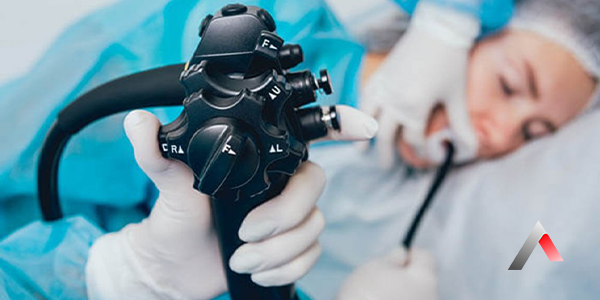
Endoscopy is a medical procedure used to examine the digestive system. A thin, flexible tube called an endoscope, equipped with a camera at its tip, is inserted through the mouth or anus to visualize the inner surfaces of organs such as the esophagus, stomach, small intestine, and large intestine.
Endoscopy is used for the diagnosis and treatment of various digestive system disorders. In some cases, it is performed for examination purposes only, while in others, it can be used to take biopsies or perform minor surgical procedures.
Endoscopy is named according to the body area being examined and the type of endoscope used. The most common types of endoscopy are:
Upper endoscopy is performed to examine the esophagus, stomach, and duodenum. The endoscope is inserted through the mouth to visualize the inner surfaces of these organs. Gastroscopy is used for the diagnosis and treatment of digestive system diseases such as ulcers, gastritis, reflux, and cancer.
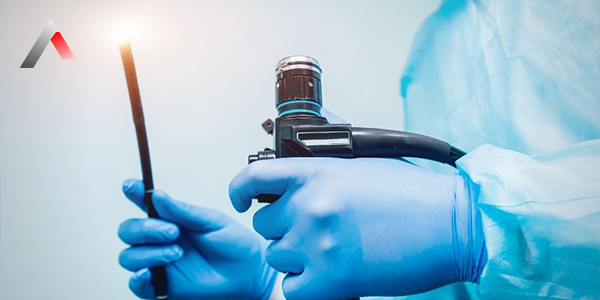
Lower endoscopy is performed to examine the large intestine (colon) and rectum. The endoscope is inserted through the anus to visualize the inner surfaces of these organs. Colonoscopy is used for the diagnosis and treatment of large intestine diseases such as polyps, diverticula, and cancer.
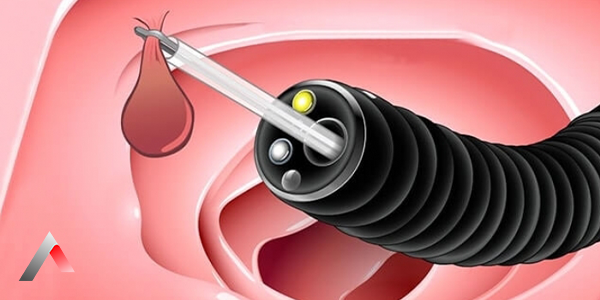
ERCP is performed to examine the bile ducts and pancreatic duct. The endoscope is inserted through the mouth, and once it reaches the duodenum, a thin tube (catheter) is placed into the bile and pancreatic ducts. X-ray images of these ducts are taken to detect problems such as blockages, stones, or tumors.
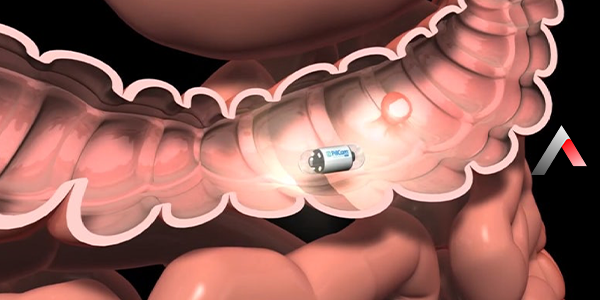
Capsule endoscopy is used to examine the small intestine. A small capsule swallowed by the patient records images as it passes through the small intestine, which are later reviewed on a computer. Capsule endoscopy is used for diagnosing small intestine problems such as bleeding or Crohn's disease.
Bronchoscopy is performed to examine the airways (trachea and bronchi). The endoscope is inserted through the nose or mouth to visualize the inner surface of the airways. Bronchoscopy is used in the diagnosis and treatment of respiratory diseases such as lung cancer, bronchitis, and pneumonia.
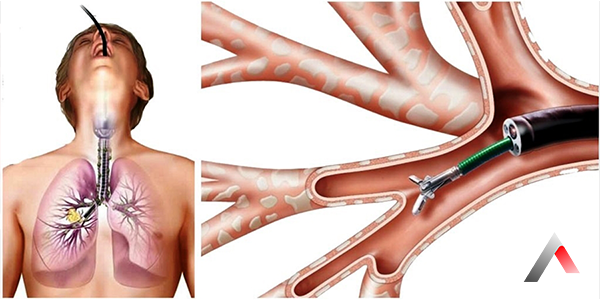
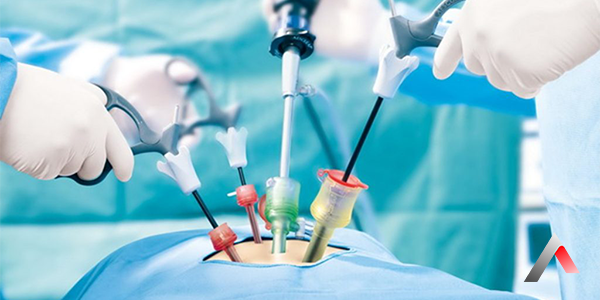
Laparoscopy is performed to examine the abdominal cavity. A small incision is made in the abdominal area, and the endoscope is inserted through this incision into the abdominal cavity. Laparoscopy is used in the diagnosis and treatment of various conditions such as abdominal pain, infertility, and appendicitis.
Endoscopy can be performed for the following purposes:
Preparation for endoscopy varies depending on the type of endoscopy. Generally, the following steps are followed:
Endoscopy is usually performed on an outpatient basis, and light sedation is administered during the procedure. The endoscope is inserted into the body through natural openings or a small incision. The camera transmits images of the internal organs to a monitor, allowing the doctor to examine the organs in detail. The endoscopy procedure generally lasts 30–60 minutes.
The recovery process after endoscopy is generally quick. You can go home once the effects of sedation wear off. You may experience mild throat pain or abdominal discomfort for a few hours after the procedure. You can return to normal activities by following your doctor’s instructions.
Stomach Endoscopy
Stomach endoscopy, also known as esophagogastroduodenoscopy (EGD), is a procedure used to examine the upper digestive system. In this procedure, an endoscope—an thin, flexible tube with a camera and light at its tip—is inserted through the mouth into the esophagus, stomach, and duodenum.
Preparation Before Stomach Endoscopy
Preparation before a stomach endoscopy (gastroscopy) is crucial for a safe and effective procedure. Your doctor will provide specific instructions, but generally, you may need to follow these steps:
Fasting:
Medications:
Other Considerations:
On the Day of Endoscopy:
Bring your ID, insurance card, and medication list.
It is recommended to have a companion for assistance after the procedure.
Follow all instructions given by your doctor carefully.
Preparation is critical for the safety and success of the endoscopy. Contact your doctor with any questions or concerns.
Diet After Endoscopy
Post-endoscopy diet depends on the procedure type and your doctor’s instructions. Generally, it is important to allow your digestive system to rest and consume light, easily digestible foods.
First Hours:
First 24 Hours:
Following Days:
Additional Tips:
Post-Endoscopy Symptoms
Mild and temporary symptoms are normal after endoscopy. Rarely, serious issues may occur requiring medical attention.
Duration of Stomach Endoscopy
Stomach endoscopy usually takes 15–30 minutes, depending on:
During the procedure, the patient lies on their left side, and a throat numbing spray is applied. The endoscope is then gently advanced through the mouth into the esophagus and stomach. The camera allows detailed examination of the stomach lining.
Post-procedure, a brief rest of about one hour is recommended. Mild throat discomfort is normal and typically resolves quickly.
Department Performing Endoscopy
The department performing endoscopy depends on the organ examined and the procedure purpose:
Endoscopy Duration
Endoscopy Costs
A Life Hospitals, with private hospitals in Etimesgut and Pursaklar, Ankara, provides endoscopy services. They have experienced gastroenterologists and state-of-the-art endoscopy equipment.
Endoscopy Under Sedation Costs
Endoscopy under sedation or general anesthesia is offered with anesthesiologist support.
Intestinal Endoscopy
Intestinal endoscopy examines the lower digestive system, including the colon and distal small intestine, using colonoscopy or enteroscopy.
When Are Endoscopy Results Ready?
Factors Affecting Result Timing:
What Is Endoscopy?
Endoscopy is a medical procedure to visualize internal organs using a thin, flexible tube with light and a camera, inserted through natural openings or small incisions.
Risks of Endoscopy
Although generally safe, potential risks include:
Please fill in the fields below so that we can reach you
We are here for all your questions and problems 24/7.

 0 (850) 888 54 33
 WhatsApp
 E-Appointment