
Laparoscopic Myomectomy

A Minimally Invasive Solution for Uterine Fibroids

At A Life Health Group., we aim to provide the most up-to-date information and methods regarding women’s health. Laparoscopic Myomectomy is a minimally invasive procedure used to remove uterine fibroids, and it is important to understand whether it is the right option for you. This comprehensive guide will explain everything you need to know about laparoscopic myomectomy, inform you about the details of the treatment, and ensure you receive care safely at A Life Health Group.

What is Laparoscopic Myomectomy?

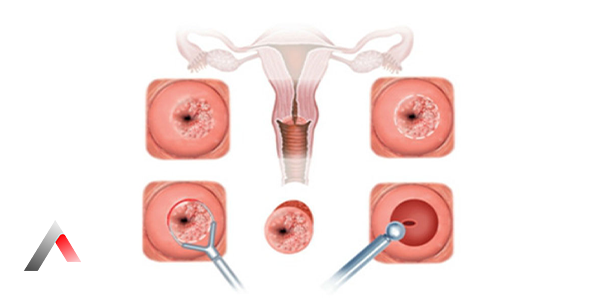
Laparoscopic myomectomy is a surgical procedure used to remove uterine fibroids. During this procedure, small incisions are made in the abdominal area, and a device called a laparoscope is inserted. The laparoscope is a thin tube equipped with a camera and light source. This device allows the surgeon to view the fibroids inside the uterus in high resolution and remove them using surgical instruments.

Thanks to minimally invasive techniques, patients recover more quickly, and postoperative pain and scarring are minimized. Laparoscopic myomectomy is especially preferred for women who wish to become pregnant and for patients experiencing severe fibroid symptoms.

Laparoscopic_Myomectomy_34cb6957.webp

Anatomical Structure of the Uterus and Fibroids

The uterus is a muscular organ located in the pelvic cavity. It has three main layers:

  • Endometrium: The inner lining of the uterus, which thickens during the menstrual cycle and supports embryo implantation during pregnancy.
  • Myometrium: The muscular layer of the uterus, which is the most common site for fibroid development.
  • Perimetrium: The outer layer of the uterus, providing support and protection for the organ.

Fibroids (myomas) are benign tumors that develop within the myometrium. Their size can range from a few millimeters to several centimeters, and they may grow toward the inside or outside of the uterus. Fibroid growth is influenced by estrogen and progesterone levels; particularly when estrogen levels are high, fibroids may grow more rapidly.

Types of Fibroids

  • Submucosal: Grow into the uterine cavity, can increase menstrual bleeding, and may cause infertility.
  • Intramural: Located within the uterine wall, often causing pain and a sense of pressure.
  • Subserosal: Grow outward from the uterus, creating fullness and pressure in the pelvis.
  • Pedunculated: Fibroids attached by a stalk, which can rarely twist and cause sudden pain.

The location, size, and number of fibroids are critical in determining a patient’s symptoms and the appropriate treatment method.

Who Is Laparoscopic Myomectomy Suitable For?

Laparoscopic myomectomy is particularly preferred in the following situations:

  • Pain: Pelvic or abdominal pain caused by fibroids.
  • Excessive bleeding: Menstrual bleeding that is prolonged and heavy.
  • Infertility: Fibroids that interfere with pregnancy or increase the risk of miscarriage.
  • Urinary issues: Frequent urination, urinary incontinence, or difficulty urinating.
  • Other symptoms: Constipation, a feeling of pressure in the abdomen, or pain during sexual intercourse.

The decision to perform surgery is made individually for each patient, taking into account the number, size, and location of the fibroids as well as the patient’s overall health condition.

Causes and Risk Factors of Fibroids

Both genetic and environmental factors play a role in the development of fibroids.

  • Hormonal Effects: Estrogen and progesterone can trigger the growth of fibroids. Fibroids tend to grow faster in young women of reproductive age.
  • Genetic Factors: Family history plays a significant role in fibroid development. If a mother or siblings have a history of fibroids, the risk increases.
  • Lifestyle: Obesity, irregular nutrition, and a sedentary lifestyle can increase the risk of fibroids. Smoking and stress can also indirectly create hormonal imbalances.

Diagnostic Methods

Accurate diagnosis of fibroids is critical for determining the appropriate treatment plan.

  • Ultrasonography: Abdominal or transvaginal ultrasound is used to determine the size and location of fibroids.
  • Magnetic Resonance Imaging (MRI): Provides detailed anatomical imaging of fibroids.
  • Hysteroscopy: Used to evaluate fibroids within the uterine cavity.
  • Doppler Ultrasound: Suitable for examining the vascular structure and blood flow of fibroids.

Advantages of Laparoscopic Myomectomy

Laparoscopic myomectomy offers numerous benefits for patients:

  • Minimal Invasive: Performed through small incisions, minimizing tissue damage.
  • Rapid Recovery: Patients can generally return to daily activities in a short time.
  • Less Pain: Lower pain and bleeding risk compared to open surgery.
  • Safe: When performed by experienced surgeons, the risk of complications is low.
  • Increases Pregnancy Chances: Removal of fibroids reduces infertility risk and enhances the likelihood of conception.

Preoperative Preparations

Preoperative preparation is essential for a safe surgical procedure:

  • Blood Tests and Biochemistry: Assess overall health status.
  • Imaging: Ultrasound or MRI to determine the exact location of fibroids.
  • Anesthesia Evaluation: Check suitability for general anesthesia.
  • Informed Consent: Detailed explanation of the procedure and associated risks is provided to the patient.

Laparoscopic Myomectomy Procedure

  • Anesthesia: General anesthesia is administered during the procedure, ensuring the patient feels no pain.
  • Insertion of the Laparoscope: Several small incisions are made in the abdominal area. The laparoscope and surgical instruments are inserted through these incisions.
  • Removal of Fibroids: Using the laparoscope, the surgeon locates the fibroids and removes them with specialized instruments. Large fibroids may be fragmented and removed (morcellation).
  • Completion of the Procedure: After the fibroids are removed, the instruments are withdrawn, the incisions are closed, and sterile dressings are applied.
Postoperative Recovery Process
  • Hospital Stay: Typically 1–2 days.
  • Pain Management: Postoperative pain is controlled with pain-relieving medications.
  • Rest: Avoid heavy activities; light walking is recommended.
  • Recovery Time: Most patients can return to normal activities within 1–2 weeks.
  • Sexual Intercourse: Should not be resumed without the doctor’s approval.
Postoperative Risks
  • Bleeding: Mild bleeding may occur after surgery.
  • Infection: Rarely, an infection may develop at the surgical site.
  • Uterine Rupture: Requires caution in women planning future pregnancies.
  • Infertility: In rare cases, fertility issues may arise after surgery.
  • Recurrence of Fibroids: Regular ultrasound follow-up is recommended.
Postoperative Lifestyle and Preventive Measures
  • Weight Management: Excess weight can affect hormonal balance and fibroid risk.
  • Balanced Diet: A diet rich in fiber and protein supports faster recovery.
  • Regular Exercise: Exercises that strengthen the pelvic floor and abdominal muscles are recommended.
  • Hormonal Monitoring: Doctor check-ups are necessary for hormones that may trigger fibroids.
  • Smoking and Alcohol: Usage should be limited, and a lifestyle that supports recovery should be adopted.
Laparoscopic Myomectomy at A Life Health Group

At A Life Health Group, laparoscopic myomectomy is performed by experienced surgeons specialized in women’s health. Patients receive care in a safe and comfortable environment using minimally invasive techniques and advanced laparoscopic equipment. Personalized treatment plans tailored to each patient ensure high-quality healthcare services are provided at affordable prices.

Frequently Asked Questions

What is the difference between laparoscopic myomectomy and open surgery?
Due to minimal incisions, laparoscopic myomectomy results in less pain, shorter recovery time, and better cosmetic outcomes.

When can I return to daily activities after surgery?
Patients can generally resume normal activities within 1–2 weeks.

Do fibroids recur?
Fibroids may recur after surgery; regular ultrasound follow-up is recommended.

Does the surgery increase the chance of pregnancy?
Removing fibroids reduces infertility risk and can improve the chances of pregnancy.

Contact Us Today

For detailed information about laparoscopic myomectomy and to determine the most suitable treatment plan for you, reach out to A Life Health Group. Our expert team is ready to provide safe and effective care in the field of women’s health.

Prepared by A Life Medical Editorial Board.

Last Updated: 6 Kasım 2025 14:05

Publish Date: 28 Eylül 2024 04:46

Laparoscopic Myomectomy

Quick Application Form

Please fill in the fields below so that we can reach you

Related Departments
Related Doctors
Similar Contents

Do you need help?

We are here for all your questions and problems 24/7.