

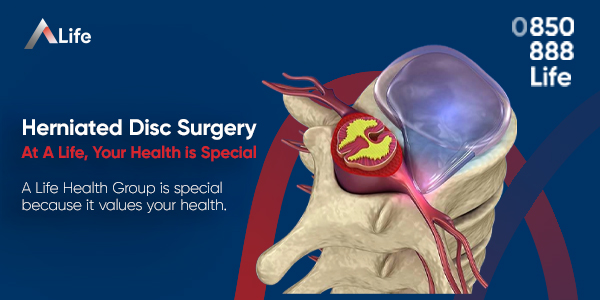
Lumbar hernia surgery is performed when the intervertebral discs in the spine rupture or shift out of place (herniation), leading to pressure on the nerves or spinal cord. This is a surgical procedure aimed at relieving that pressure to alleviate pain and related symptoms such as numbness or muscle weakness.
The surgery typically involves removing the herniated disc material to reduce pressure on the affected nerves. Various surgical techniques can be used, including microdiscectomy and endoscopic discectomy. The choice of method depends on the patient's condition and the characteristics of the herniation.
Lumbar hernia surgery is considered when conservative (non-surgical) treatments such as pain medications, physical therapy, or exercise fail to provide relief.
However, the best treatment option for each patient should be determined by a thorough evaluation from a qualified specialist.
The primary goal of lumbar herniated disc surgery is to relieve pressure on the nerve roots or spinal cord caused by the herniated disc material. This compression can lead to severe symptoms such as intense pain, numbness, muscle weakness, or even paralysis.
Surgical intervention is generally considered when conservative (non-surgical) treatments fail and the patient's quality of life is significantly affected. The following are common indications for lumbar herniated disc surgery:
Persistent and severe lower back pain that does not improve with medication, physical therapy, or rest.
Progressive neurological deficits, such as:
Muscle weakness or partial paralysis in the legs
Sensory disturbances like numbness or tingling
Foot drop (difficulty lifting the front part of the foot)
Loss of bladder or bowel control, a condition known as cauda equina syndrome, which is a medical emergency requiring immediate surgical intervention.
Imaging findings (MRI or CT) showing a herniated disc exerting significant pressure on nerve roots or the spinal cord.
Daily functional limitations due to chronic pain or reduced mobility.
As the pressure on the nerves increases, the risk of permanent nerve damage rises. Therefore, timely surgical treatment may be necessary to prevent irreversible complications.
It is a surgical procedure performed to relieve pressure on the nerves caused by a tear or displacement of the discs in the spine.
The main goal of this procedure is to alleviate symptoms such as pain, numbness, and weakness experienced by the patient.
How long does lumbar herniated disc surgery take?
The surgery typically takes 1–2 hours. The exact duration depends on the technique used, the condition of the hernia, and the patient’s individual characteristics. Your surgeon will provide the most accurate information for your case.
The surgical method and techniques may vary depending on the location and size of the hernia, the patient’s general health, and other factors. One of the most commonly used methods is microdiscectomy.
In this technique, a small incision is made, and the herniated disc material is removed with the help of a microscope. Other types of surgery include endoscopic discectomy and less commonly used open surgery techniques.
Microdiscectomy: Removal of the herniated disc material through a small incision using a microscope.
Endoscopic discectomy: A method using an endoscope with smaller incisions.
Open surgery: A traditional method performed with a larger incision, rarely preferred.
Lumbar herniated disc surgery in women does not differ from that performed in men. The main objective is to remove the herniated disc pressing on the nerves due to a rupture between the vertebrae—aiming to relieve pain and restore nerve function.
Lumbar herniated disc surgery in men also does not differ in technique from that performed in women.
In elderly patients, the surgical technique is similar to that used in younger individuals. However, due to general health conditions and comorbidities, certain precautions may be required.
The most commonly used surgical methods today include:
Open Lumbar Herniated Disc Surgery
Microdiscectomy (Microsurgical Disc Surgery)
Minimally Invasive (Closed) Lumbar Disc Surgery
Endoscopic Lumbar Disc Surgery
Laser Lumbar Disc Surgery
Lumbar herniated disc surgery carries some risks. These risks include bleeding, infection, and nerve damage. Nerve damage can cause numbness and weakness.
Dural tears may cause headaches. The herniation can recur. Postoperative pain and scarring may also occur.
Rarely, there may be intervention at the wrong spinal level or anesthesia-related complications. Advanced age, obesity, smoking, and certain medical conditions can increase the risk. Risks should be discussed with the doctor before surgery, and postoperative recommendations should be followed.
After lumbar herniated disc surgery, careful attention is required for good recovery. The process of returning to daily life is important. Here are the key steps to follow during this period:
Resting extensively during the first days after discharge forms the foundation of your recovery. However, it is also important to start light movements recommended by your doctor to support circulation and reduce the risk of blood clots.
Postoperative pain is common. Using the painkillers prescribed by your doctor regularly is critical for your comfort. If your pain increases or cannot be controlled with medication, contact your doctor immediately.
To minimize the risk of infection, keep the wound area clean and dry according to your doctor's instructions. If you notice signs of infection such as redness, swelling, increased warmth, or discharge, report them to your doctor without delay.
Physical therapy and rehabilitation are essential parts of your recovery process. Regularly performing the exercise program prepared by your doctor or physiotherapist helps you regain muscle strength. This program increases your mobility and improves the flexibility of your lower back.
The recovery process after lumbar herniated disc surgery varies from person to person.
Generally, patients take painkillers in the first days after surgery and can stand up within a few hours.
The hospital stay usually lasts 1-2 days.
However, the total recovery time is variable. The time to return to normal activities also differs and depends on the type of surgery. Additionally, the patient’s age, health status, and occupation have an impact.
Postoperative care and rehabilitation programs are also important.
Most patients can return to their daily tasks within a few weeks after surgery. However, heavy lifting, strenuous exercises, and prolonged sitting should be avoided.
The full recovery period typically ranges from several weeks to a few months.
Following your doctor’s instructions carefully, attending physical therapy regularly, and staying active will help speed up your recovery.
Post-operative nutrition after lumbar herniated disc surgery is important to support the healing process and prevent possible complications.
Generally, your doctor will give you specific instructions for the first days after surgery. However, some general dietary principles should be followed.
First, adequate fluid intake is crucial. Sufficient hydration helps maintain regular digestive function and prevents issues such as constipation.
Consuming foods rich in fiber supports digestive health. Foods like vegetables, fruits, and whole grains promote bowel movements.
In some cases, your doctor may advise limiting high-fiber foods during the early recovery period.
Protein is an essential nutrient needed for healing. It supports tissue repair and helps regain muscle strength. You can include protein sources such as fish, chicken, eggs, and legumes in your diet.
Lastly, it is important to avoid processed foods, excessively fatty foods, and foods that cause gas. These can burden the digestive system and negatively affect recovery.
Following the advice of your doctor or dietitian regarding post-surgery nutrition is the best approach for a healthy recovery.
As A Life Health Group, we create personalized treatment plans for each patient to determine the most suitable surgical method.
We support our patients throughout the preoperative and postoperative periods to ensure a comfortable and safe experience.
The treatment methods applied for herniated disc at A Life Health Group include:
Non-Surgical Treatment Options: Medication, physical therapy, exercise programs, manual therapy, injections, and alternative treatments.
Surgical Intervention Methods: Microdiscectomy, endoscopic discectomy, laminectomy, and spinal fusion.
A Life Health Group provides support before and after surgery, offering a comfortable and secure experience.
For more information about herniated disc and treatment options, you can contact A Life Health Group. You can also reach out to schedule an appointment and inquire about private hospital herniated disc surgery prices.
Last Updated: 6 Kasım 2025 14:05
Publish Date: 30 Temmuz 2024 02:36
Please fill in the fields below so that we can reach you
We are here for all your questions and problems 24/7.


 TR Türkçe
 EN English
 0 (850) 888 54 33


 E-Appointment
 E-Appointment
  E-Result






 0 (850) 888 54 33
 WhatsApp
 E-Appointment