

Eye health is extremely important for overall well-being, and vision is a factor that directly affects individuals’ quality of life. While visual impairments can sometimes be corrected with aids such as glasses or contact lenses, in some cases surgical intervention may be required. Smart lens (intraocular lens) surgery is an innovative method frequently preferred in the treatment of conditions such as presbyopia and high myopia. As A Life Health Group, we will discuss smart lens surgery, its symptoms, causes, diagnostic methods, and treatment processes in detail.
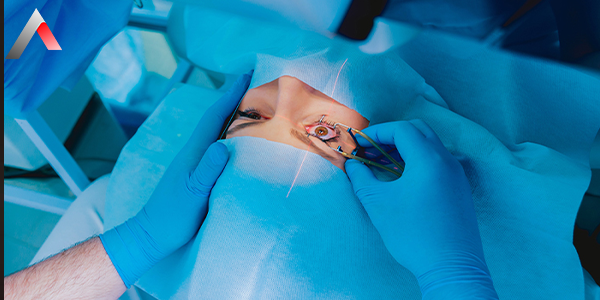
A smart lens is an optical device placed in the eye to replace the natural lens, aiming to improve vision. Smart lenses are generally used to reduce or eliminate the need for glasses or contact lenses. They are primarily applied in cataract surgeries or for correcting refractive errors such as myopia, hyperopia, and astigmatism. Smart lenses are known in different types and can be customized according to individuals’ visual needs.
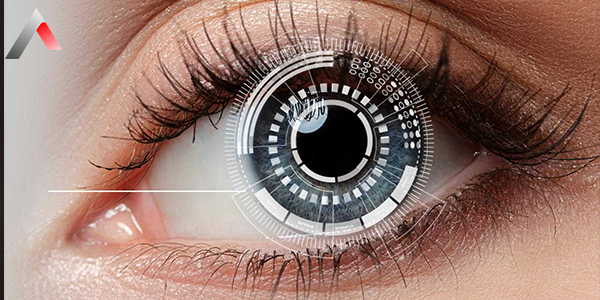
Smart lens surgery is generally recommended in the presence of the following symptoms:
These symptoms can affect individuals’ quality of life and should be carefully evaluated in terms of eye health.
The need for smart lens surgery arises as a response to various eye health problems. These reasons include:
Cataract is the clouding of the eye’s natural lens and usually occurs in older individuals. When surgery is required, the intraocular lens can be replaced with a smart lens.
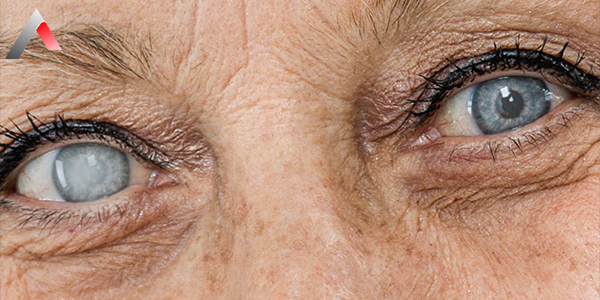
Presbyopia is the age-related condition in which the eyes lose their ability to focus on nearby objects. Smart lenses are frequently preferred in the treatment of presbyopia.
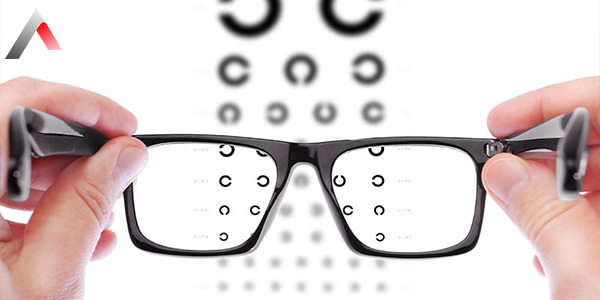
Vision problems such as myopia, hyperopia, or astigmatism are also among the reasons for using smart lenses. Since these conditions usually require glasses or contact lenses, they can be corrected through surgery.
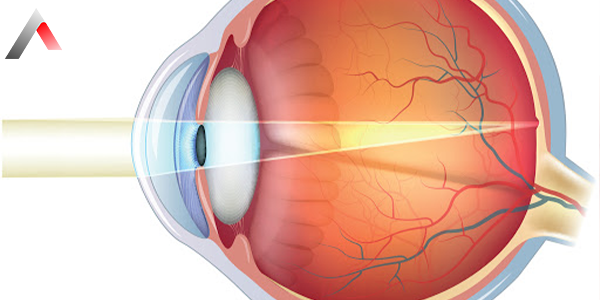
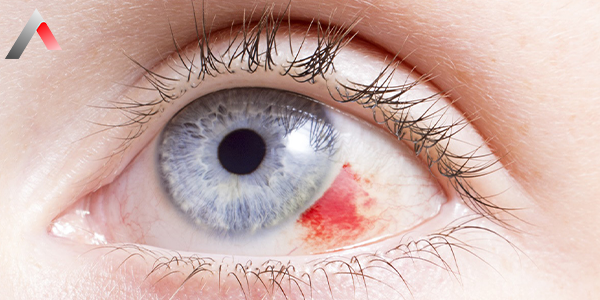
Damage to the eye caused by trauma can often be corrected with smart lens surgery. This procedure can help restore visual functions in the affected eye.
Smart lens surgery is performed following a detailed evaluation by a healthcare professional. The diagnostic process includes the following methods:
1.Eye Examination
The ophthalmologist conducts a comprehensive eye examination to assess the patient’s overall health and eye condition. During this examination:
2.Imaging Tests
Methods such as ultrasound or OCT (Optical Coherence Tomography) may be used to obtain more detailed information about the structures within the eye.
1.Preoperative Preparation
Before the surgery, several important steps should be followed:
2.Surgery Procedure
Smart lens surgery generally includes the following stages:
3.Postoperative Care
The period after surgery is critical. Key points to follow include:
4.Recovery Process
Recovery may vary by individual but generally includes:
Like any surgical procedure, smart lens surgery carries certain risks, including:
Smart lens surgery is an important medical intervention aimed at preserving eye health and improving vision. A Life Health Group provides accurate information about such surgical procedures to guide our patients. If you are experiencing eye health issues or want more information about smart lens surgery, please contact us. Take care of your eye health and take the necessary steps to enhance your quality of life!
Last Updated: 6 Kasım 2025 14:05
Publish Date: 25 Nisan 2024 10:09
 Surgery-68d256573ba993.46903945.jpg)
Please fill in the fields below so that we can reach you
We are here for all your questions and problems 24/7.


 TR Türkçe
 EN English
 0 (850) 888 54 33


 E-Appointment
 E-Appointment
  E-Result



 0 (850) 888 54 33
 WhatsApp
 E-Appointment