
Thulium Laser Prostate Surgery

Why Thulium Laser Prostate Surgery is Performed

Thulium laser prostate surgery is typically performed to treat a condition known as benign prostatic hyperplasia (BPH). BPH is characterized by an enlarged prostate that obstructs the urinary tract. This obstruction can cause various symptoms, including:

  • Frequent need to urinate
  • Waking up at night to urinate
  • Difficulty starting urination
  • Feeling that the bladder is not completely empty
  • Pain or burning during urination
  • Weak urine stream or interrupted urine flow

These symptoms can negatively impact a person's quality of life and may lead to complications such as urinary tract infections or urinary retention. If symptoms cannot be managed with medication or lifestyle changes, surgical treatment is usually recommended.

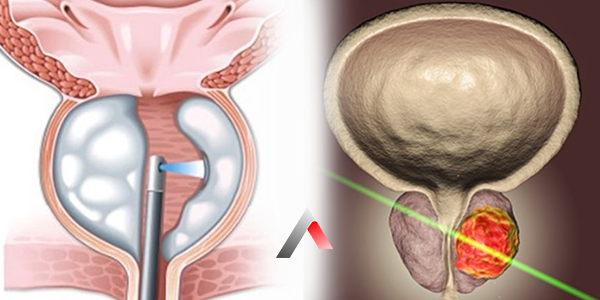
Thulium laser prostate surgery removes and vaporizes excess prostate tissue to open the urinary tract. This can significantly reduce urinary symptoms and improve the patient’s quality of life. The procedure is generally minimally invasive, meaning no large incisions are required, which shortens recovery time and reduces the risk of complications.

Thulium_Laser_Prostate_Surgery_7f1cfb77.webp

Benefits of Thulium Laser Prostate Surgery

Thulium laser prostate surgery can offer several advantages over other methods in the treatment of benign prostatic hyperplasia (BPH). Some of the benefits include:

  • Less Bleeding: The Thulium laser vaporizes prostate tissue while simultaneously sealing blood vessels, resulting in less bleeding during and after the procedure.
  • Rapid Recovery: Since the procedure is generally minimally invasive, recovery time is usually shorter. Patients can often return to normal activities within a few days after surgery.
  • Short Hospital Stay: Reduced bleeding and faster recovery typically lead to a shorter hospital stay.
  • Effective Symptom Relief: Thulium laser prostate surgery significantly reduces urinary symptoms and improves patients’ quality of life.
  • Suitable for Larger Prostates: This technique can be more effective for larger prostates compared to other laser methods.
  • Short Catheter Use: Most patients regain the ability to urinate quickly after surgery, so catheter use is usually very brief.
  • Reduced Anesthesia Requirements: The procedure typically requires spinal or general anesthesia but can also be performed under local anesthesia, reducing anesthesia-related risks.

It is important to remember that every surgery carries potential risks and complications, and the most suitable treatment option should be decided jointly by the doctor and the patient.

Technologies Used in Thulium Laser Prostate Surgery

Thulium laser prostate surgery combines endoscopic surgical techniques with laser technology. The procedure typically uses the following technologies:

  • Thulium Laser: The primary technology used during the procedure is the Thulium laser. This laser emits light energy at a specific wavelength to vaporize and remove prostate tissue. Thulium lasers offer fewer side effects and faster recovery times compared to other types of lasers.
  • Endoscopes: Endoscopes are thin, illuminated tubes that contain a camera or optical device. They allow the surgeon to visualize the prostate and surrounding tissues. The endoscope is inserted through the urinary tract, and the Thulium laser is delivered to the target tissue via the endoscope.
  • Monitors: The surgeon views images captured by the endoscope on a monitor. This allows the surgeon to see precisely what is being done during the procedure.
  • Fiber Optic Cables: These cables transmit laser energy from the endoscope to the targeted tissue.

These technologies enable the surgeon to operate on the prostate accurately and precisely, which generally results in fewer complications and faster recovery.
Alternative Treatments for Thulium Laser Prostate Surgery

The alternatives to Thulium laser prostate surgery vary depending on symptom severity, the patient’s overall health, and personal preferences. Here are some other treatment options for benign prostatic hyperplasia (BPH):

Medication: Various medications can help relieve BPH symptoms.Alpha blockers relax the muscles of the prostate and bladder neck, making urination easier.5-alpha reductase inhibitors reduce prostate size over time.

  • Transurethral Resection of the Prostate (TURP): TURP is the most common surgical procedure for BPH. It is an endoscopic procedure in which the surgeon inserts an endoscope through the urethra and removes excess prostate tissue using an electrical loop or laser.
  • Transurethral Needle Ablation (TUNA): In TUNA, thin needles are inserted into the prostate, and radiofrequency energy is applied to destroy prostate tissue.
  • Prostatic Artery Embolization (PAE): In this procedure, an interventional radiologist injects tiny particles into the arteries supplying the prostate, reducing its size.
  • Aquablation: This robotic-assisted procedure uses a high-velocity water jet to remove excess prostate tissue precisely.
  • Other Laser Procedures: Other laser technologies, such as GreenLight laser or Holmium laser, may also be used.

Each treatment option has its own benefits and risks. It is essential for patients to discuss these thoroughly with their doctor to determine the most suitable approach.

Prepared by A Life Medical Editorial Board.

Last Updated: 6 Kasım 2025 14:05

Publish Date: 25 Nisan 2024 10:12

Thulium Laser Prostate Surgery

Quick Application Form

Please fill in the fields below so that we can reach you

Related Departments
Related Doctors
Mustafa Kemal Atikeler
Prof. Dr. Mustafa Kemal Atikeler

Urology

Similar Contents

Do you need help?

We are here for all your questions and problems 24/7.