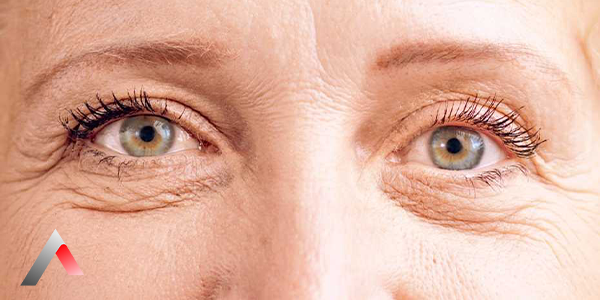
Upper Eyelid Surgery

What is Upper Eyelid Surgery?

Upper eyelid surgery, medically known as upper blepharoplasty, is a procedure that removes or repositions excess skin, muscle, and fat tissue in the upper eyelids. This surgery eliminates sagging, puffiness, and wrinkles around the eyes, providing a younger, refreshed, and more vibrant appearance. Additionally, in individuals with significant drooping of the upper eyelids, it can improve the visual field and address vision problems.

Upper_Eyelid_Surgery-_77ca82bb.webp

Who is Upper Eyelid Surgery Suitable For?

Upper eyelid surgery may be suitable for individuals with the following conditions:

  • Sagging, drooping, or looseness in the upper eyelids
  • Restricted visual field due to drooping eyelids
  • Concern about wrinkles and lines around the eyes
  • Desire for a younger and more refreshed appearance
  • Good overall health and realistic expectations

Why Does Upper Eyelid Sagging Occur?

Several factors contribute to upper eyelid sagging. Aging, genetic factors, environmental effects, and lifestyle changes can accelerate this process.

  • Aging: As age advances, the skin loses elasticity and the eyelid muscles weaken. This leads to sagging, puffiness, and wrinkles in the upper eyelids.
  • Genetic Factors: In some individuals, eyelid sagging may appear at an early age. The presence of similar conditions in the family indicates a genetic predisposition.
  • Sun Damage: Prolonged exposure to UV rays reduces skin elasticity and causes premature aging. The eye area is one of the most exposed regions to sunlight.
  • Smoking: Smoking damages the skin structure and reduces collagen production, accelerating eyelid sagging.
  • Gravity and Other Factors: Over time, gravity pulls the skin and muscle tissues downward. Hormonal changes, sudden weight loss, or certain health conditions can also contribute to eyelid sagging.
Upper_Eyelid_Sagging_5dbabf99.webp

Preoperative Consultation and Planning for Upper Eyelid Surgery

The preoperative process is crucial for a successful upper eyelid surgery.

1. Consultation and Examination

A consultation with a plastic surgeon before the surgery is necessary to determine both aesthetic and functional goals. The surgeon evaluates the current condition of your eyelids and seeks to understand your expectations and objectives. During this process, your medical history, medications, and any possible allergies are also reviewed.

Do not hesitate to ask any questions you have during the consultation. Your surgeon will provide detailed information about the risks of the procedure, the recovery process, and the expected outcomes.

2. Surgery Planning

Before the surgery, your surgeon will plan the procedure with you. This planning includes:

  • The amount of skin and fat tissue to be removed
  • Determination of incision location
  • Anesthesia method (local anesthesia or sedation)
  • Postoperative recovery process and precautions

Personalized planning ensures that both aesthetic and functional results are optimized.

How Upper Eyelid Surgery is Performed

Upper eyelid surgery is a delicate and precise surgical procedure. The main steps of the surgery are as follows:

Anesthesia:
Upper eyelid surgery is usually performed under local anesthesia with sedation. This allows you to be awake during the procedure while experiencing a comfortable and pain-free experience.

Incision and Tissue Removal:
An incision is made along the natural crease of the upper eyelid. This incision is concealed within the eyelid fold and becomes less noticeable over time. Excess skin, muscle, and fat tissue are removed. Eyelid muscles are reshaped if necessary.

Closure:
The incision is closed with aesthetic sutures. Special suture materials are used that fade over time and become less visible. Sutures are typically removed within a week or dissolve on their own.

Post-Upper Eyelid Surgery

The recovery process after upper eyelid surgery is generally quick, but it may vary from person to person. Proper post-operative care ensures optimal aesthetic and functional results.

1. Swelling and Bruising
Mild swelling and bruising around the eyelids may occur after surgery. This usually subsides within a few days. Cold compresses are recommended to reduce swelling and bruising.

2. Pain and Discomfort
Mild pain or a feeling of tightness is normal. Your doctor will prescribe appropriate medications to manage pain during this period. Pain typically decreases significantly within a week.

3. Rest and Sleep
Rest is very important after surgery. Keeping the head elevated helps reduce swelling and bruising. Adequate sleep and resting in a comfortable position also accelerate the healing process.

4. Activity Restrictions
During the first few days after surgery, strenuous exercise, sports, or heavy lifting is not recommended. Avoiding activities that strain the eyes reduces the risk of complications.

5. Follow-Up Appointments
Regular follow-up visits are necessary to monitor the healing process. Sutures are checked and removed if needed. The doctor provides guidance on post-operative care and potential issues.


Post-Upper Eyelid Surgery Care Recommendations

Proper care ensures long-lasting aesthetic and functional results.

  • Cold Compress Application: Apply cold compresses for 10–15 minutes at intervals during the first days to reduce swelling and bruising.
  • Suture Care: Keep sutures clean and dry, and follow your doctor's care instructions.
  • Avoid Rubbing and Scratching: Do not rub or scratch your eyes.
  • Use of Eye Drops: Use the eye drops prescribed by your doctor regularly.
  • Sleeping with Head Elevated: Keeping your head elevated during the first few days helps reduce swelling.
  • Sun Protection: Protect your eyes from UV rays by wearing sunglasses.
  • Makeup: Avoid makeup during the first week after surgery.

Upper Eyelid Surgery Techniques

Upper blepharoplasty can be performed using different techniques depending on the patient's needs and the condition of the eyelids.

  • Classic Upper Blepharoplasty: The standard method in which excess skin, muscle, and fat are removed through the natural eyelid crease. The incision is hidden in the natural fold, minimizing visible scars.
  • Laser-Assisted Blepharoplasty: The incision and tissue removal are performed using a laser. This allows for a less or suture-free procedure and accelerates healing.
  • Minimal Invasive Techniques: In some cases, minimal invasive methods such as micro-incisions or fat-only removal are preferred. These techniques shorten recovery time and reduce bruising and swelling.
  • Combined Techniques: Procedures can be combined with treatments for wrinkles around the eyes or brow lifts. This optimizes both the upper eyelid and surrounding aesthetic appearance.

Upper Eyelid Surgery Risks

As with any surgical procedure, upper eyelid surgery carries certain risks. However, with experienced surgeons and modern techniques, these risks can be minimized.

Possible Complications

  • Infection: Although rare, post-operative infection may occur.
  • Bleeding: Mild bleeding can occur, usually stopping on its own.
  • Dry Eyes: Temporary dryness of the eyes may be experienced.
  • Asymmetry: Slight imbalance between eyelids may occur; rarely, additional correction may be needed.
  • Vision Problems: Very rarely, temporary changes in vision may be observed.

Regular follow-ups and adherence to the surgeon’s recommendations greatly reduce the risk of complications.

Upper Eyelid Surgery Scars

In upper eyelid surgery, incision sites are hidden within the natural crease of the eyelid. This ensures that post-operative scars remain minimal. Over time, the scars tend to fade and generally become unnoticeable.

Upper Eyelid Surgery Prices

The cost of upper eyelid surgery can vary depending on the surgeon's experience, the facility where the surgery is performed, the procedures involved, and other factors. During the pre-operative consultation, your surgeon will provide detailed information about the total cost of the surgery.

Upper Eyelid Surgery at A Life Health Group

A Life Health Group has a team of experienced plastic surgeons specialized in upper eyelid surgery. We provide personalized treatment plans using the latest technology and techniques. Comprehensive support and follow-up care are offered to our patients before and after the surgery.

Prepared by A Life Medical Editorial Board.

Last Updated: 6 Kasım 2025 14:05

Publish Date: 20 Eylül 2024 14:10

Upper Eyelid Surgery

Quick Application Form

Please fill in the fields below so that we can reach you

Related Departments
Related Doctors
Similar Contents

Do you need help?

We are here for all your questions and problems 24/7.