
Uterus Surgery

Uterus Surgery: A Comprehensive Guide for Women’s Health

At A Life Health Group, we aim to provide the most up-to-date information and methods for women’s health. Uterus surgery is a surgical procedure performed on the uterus, an essential part of the female reproductive organs. It may be necessary for various reasons, and it is important to understand whether it is the right option for you. This guide addresses all aspects of uterus surgery in detail and ensures you can receive treatment safely at A Life Health Group.

What is Uterus Surgery?

Uterus surgery is a surgical intervention performed on the uterus. This procedure is carried out to treat uterine diseases, relieve pain and bleeding issues, or preserve fertility. The type of surgery varies depending on the patient’s health condition, age, and the nature of the disease.

Functions and Importance of the Uterus

The uterus is the central organ of the female reproductive system. It provides the necessary environment for pregnancy, regulates the menstrual process, and is responsive to hormones. Therefore, any disease in the uterus directly affects quality of life and reproductive health.
What_is_Uterus_Surgery_06eb4410.webp

Why is Uterus Surgery Performed?

Uterus surgery can be performed for various medical reasons. The most common reasons are:

  • Fibroids: Benign tumors that develop in the uterine wall. Fibroids can cause pain, excessive bleeding, infertility, and urinary problems. Fibroid surgery can be performed to resolve these issues.
  • Endometriosis: The spreading of the tissue lining the uterus outside the uterus. Endometriosis can lead to pain, infertility, and bleeding problems. Uterus surgery may be required in the treatment of endometriosis.
  • Uterine cancer: Malignant growth of the tissue lining the uterus. Uterus surgery can be performed for the treatment of uterine cancer.
  • Ectopic pregnancy: Fertilized egg implants outside the uterus, usually in the fallopian tubes. Ectopic pregnancy is a dangerous condition and requires urgent treatment. Uterus surgery may be needed in the treatment of ectopic pregnancy.
  • Excessive bleeding: Menstrual bleeding that is heavy and prolonged. Uterus surgery can be performed to address the cause of excessive bleeding.
  • Pelvic pain: Pelvic pain with unclear causes. Uterus surgery may be performed to resolve the cause of pelvic pain.
  • Recurrent miscarriages: Recurrent miscarriages can occur due to various factors. Uterus surgery may be performed to correct structural problems in the uterus.

Types of Uterus Surgery

  • Hysterectomy: The removal of the entire uterus. This procedure may be performed due to fibroids, endometriosis, uterine cancer, or other uterine issues.
  • Myomectomy: The removal of only the fibroids in the uterus. This procedure can address problems such as pain, bleeding, or infertility caused by fibroids.
  • Endometrial Ablation: The destruction of the tissue lining the uterus. This procedure can be performed for women with excessive bleeding problems.
  • Fallopian Tube Ligation: The tying of the fallopian tubes. This procedure can be done for contraception or to reduce the risk of ectopic pregnancy.
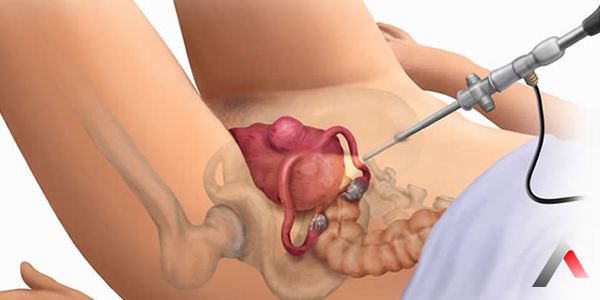
  • Laparoscopic Surgery: A minimally invasive surgical method where a small camera and surgical instruments are inserted through small incisions in the abdominal area. Uterus surgeries can also be performed using the laparoscopic method.

How is Uterus Surgery Performed?

The procedure varies depending on the type of surgery. It is generally performed under general anesthesia.

  • Open Uterus Surgery: The uterus is removed through an incision in the abdominal area.
  • Laparoscopic Uterus Surgery: A thin camera and surgical instruments are inserted through small incisions in the abdominal area to remove the uterus.
  • Hysteroscopic Surgery: Intrauterine procedures are performed using a device called a hysteroscope, which is inserted through the cervix with a thin camera and surgical instruments.

Preparation Before Uterus Surgery

  • Medical Evaluation: Blood tests, ultrasound, and MRI if necessary.
  • Medication Adjustments: Temporary discontinuation of blood thinners or certain medications.
  • Nutrition and Fluid Intake: Diet and fluid intake according to preoperative instructions.
  • Psychological Preparation: Information regarding the surgery and postoperative process.

Recovery Process After Uterus Surgery:

The postoperative recovery process varies depending on the type of surgery and the patient’s overall health.

Recovery time varies by type of surgery:

  • Open Uterus Surgery: Return to normal activities within 4–6 weeks.
  • Laparoscopic Uterus Surgery: Return to normal life within 1–2 weeks.
  • Hysteroscopic Surgery: Generally faster recovery.

Precautions During Recovery

  • Take medications prescribed by your doctor regularly.
  • Avoid heavy lifting and strenuous activities.
  • Get sufficient rest.
  • Maintain a healthy diet.
  • Attend regular follow-up appointments.

Post-Uterus Surgery Precautions:

  • Take the medications prescribed by your doctor regularly.
  • Avoid heavy lifting and strenuous activities.
  • Get enough rest.
  • Maintain a healthy diet.
  • Attend regular follow-up appointments.

Post-Uterus Surgery Complaints:

  • Pain and cramps
  • Bleeding or spotting
  • Risk of infection
  • Wound healing problems
  • Temporary infertility
  • Menopausal symptoms
  • Sexual dysfunction
Alternative Treatment Options
  • Medication Treatments: Hormonal therapy, pain, and bleeding control.
  • Minimally Invasive Methods: Laparoscopic and hysteroscopic techniques.
  • Lifestyle Adjustments: Stress management, healthy diet, and regular exercise.
Is Uterus Surgery Risky?

Like any surgical procedure, uterus surgery carries certain risks:

  • Bleeding
  • Infection
  • Tears in the uterus or surrounding tissues
  • Menopausal symptoms
  • Sexual dysfunction

These risks are minimized under the supervision of an experienced physician and with modern techniques.

Healthy Living and Safe Treatment with Uterus Surgery

Uterus surgery is an important surgical intervention to protect women’s health and improve quality of life. A Life Health Group offers safe and effective treatment with its experienced team, modern technologies, and patient-centered approach. You can contact us to learn more about uterus surgery or to create your treatment plan.

With A Life Health, your health is in safe hands!

Uterus Surgery at A Life Health Group:
  • Experienced medical staff: A Life Health Group has a team of experienced physicians specialized in women’s health.
  • State-of-the-art technology: A Life Health Group performs uterus surgeries using the latest technology.
  • Safe and comfortable environment: A Life Health Group ensures that patients receive treatment in a safe and comfortable environment.
  • Personalized treatment: A Life Health Group prepares individualized treatment plans for each patient.
  • Affordable prices: A Life Health Group offers services at reasonable prices.

Contact us to learn more about uterus surgery!

At A Life Health Group, we are here to determine the best treatment option for you and inform you about the uterus surgery process. We are waiting for you!

Frequently Asked Questions

Does uterus surgery cause pain?
Since it is performed under anesthesia, there is no pain during the surgery. Mild discomfort may occur during the recovery process.

When can I return to normal life after surgery?
For open surgery, 4–6 weeks; for laparoscopic and hysteroscopic methods, 1–2 weeks.

Will surgery be needed again?
In cases such as endometriosis or fibroids, regrowth may occur, so follow-up is important.

Prepared by A Life Medical Editorial Board.

Last Updated: 6 Kasım 2025 14:05

Publish Date: 29 Eylül 2024 12:34

Uterus Surgery

Quick Application Form

Please fill in the fields below so that we can reach you

Related Departments
Related Doctors
Similar Contents

Do you need help?

We are here for all your questions and problems 24/7.