



 TR Türkçe
 EN English
 0 (850) 888 54 33


 E-Appointment
 E-Appointment
  E-Result
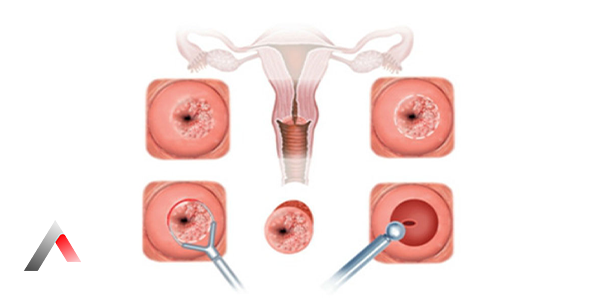
The uterus is a muscular organ located in the pelvic cavity. It has three main layers:
- Endometrium: The inner lining of the uterus, which thickens during the menstrual cycle and supports embryo implantation during pregnancy.
- Myometrium: The muscular layer of the uterus, which is the most common site for fibroid development.
- Perimetrium: The outer layer of the uterus, providing support and protection for the organ.
Fibroids (myomas) are benign tumors that develop within the myometrium. Their size can range from a few millimeters to several centimeters, and they may grow toward the inside or outside of the uterus. Fibroid growth is influenced by estrogen and progesterone levels; particularly when estrogen levels are high, fibroids may grow more rapidly.
Types of Fibroids
- Submucosal: Grow into the uterine cavity, can increase menstrual bleeding, and may cause infertility.
- Intramural: Located within the uterine wall, often causing pain and a sense of pressure.
- Subserosal: Grow outward from the uterus, creating fullness and pressure in the pelvis.
- Pedunculated: Fibroids attached by a stalk, which can rarely twist and cause sudden pain.
The location, size, and number of fibroids are critical in determining a patient’s symptoms and the appropriate treatment method.















 0 (850) 888 54 33
 WhatsApp
 E-Appointment